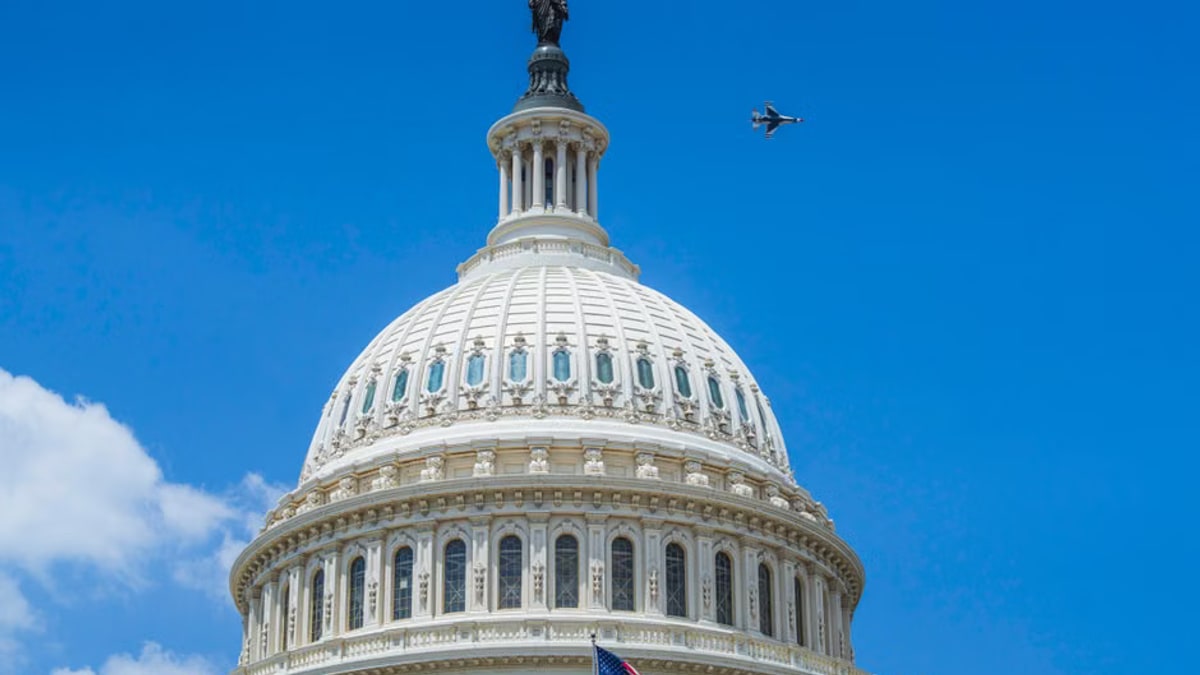
WASHINGTON — The battle for the United States Senate has intensified as new polling data reveals razor-thin margins across ten critical battleground states. With the legislative balance of power hanging by a thread, both major political parties are pouring unprecedented financial resources into key jurisdictions, aiming to secure a working majority for the upcoming legislative session.
Political scientists and election forecasters have identified these ten specific races as the most volatile, driven by a combination of retiring incumbents, shifting suburban demographics, and voter sentiment heavily influenced by inflation, healthcare policy, and immigration. In several states, independent voters are proving to be the ultimate arbiters, forcing candidates to moderate their stances on polarizing national issues.
'The dynamics of these Senate races reflect a deeply divided electorate where local issues often intersect with national referendums on governance,' said Dr. Elena Vance, a senior fellow at the Institute for Governmental Studies. 'A shift of just two or three seats could completely alter the federal legislative landscape, impacting everything from judicial confirmations to executive appointments.'
Campaign strategists from both sides of the aisle report that ground game operations have reached historic levels of intensity. Early voting numbers in several of these contested states have already shattered previous records, signaling high civic engagement and voter urgency. As the final weeks of the campaign unfold, the focus remains firmly on undecided voters in suburban corridors who traditionally determine the outcome of close national elections.
Key Highlights
- Ten critical Senate seats have been identified as toss-ups with high potential to change party control.
- Record campaign fundraising and spending are driving unprecedented outreach efforts in key states.
- Suburban demographics and economic anxieties remain the decisive factors for undecided voters.
Ultimately, the outcome of these ten races will dictate not only the domestic legislative agenda in Washington but also America's broader political trajectory on the international stage, as foreign allies and adversaries closely monitor the stability of the US federal government.