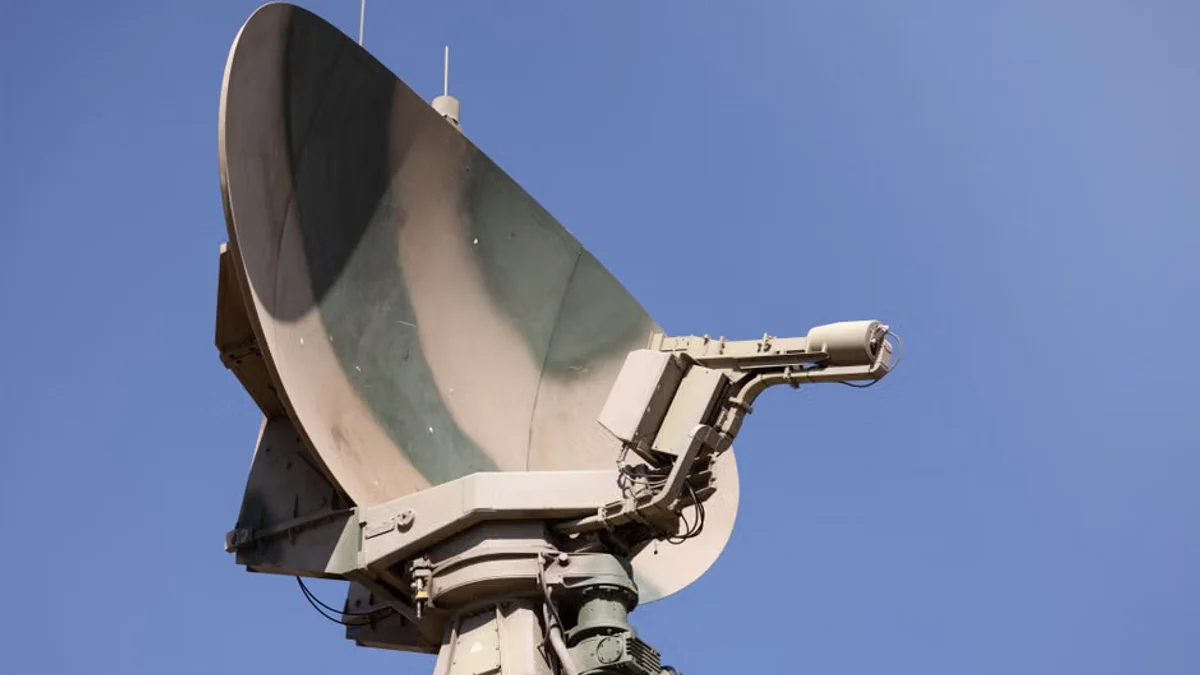
RIYADH — Defense analysts and intelligence officials are increasingly scrutinizing the sophisticated military capabilities demonstrated by Yemen’s Houthi movement in recent cross-border operations targeting Saudi Arabian infrastructure. Despite years of coalition intervention and economic blockades, the group has showcased a remarkable advancement in asymmetric warfare.
Experts point to an influx of advanced unmanned aerial vehicles (UAVs), precision-guided ballistic missiles, and cruise missile technologies that have significantly enhanced the Houthis' strike range and accuracy. Intelligence reports suggest intricate supply networks and technological transference have bolstered local manufacturing and modification capabilities, allowing the group to bypass traditional air defense systems with coordinated multi-vector attacks.
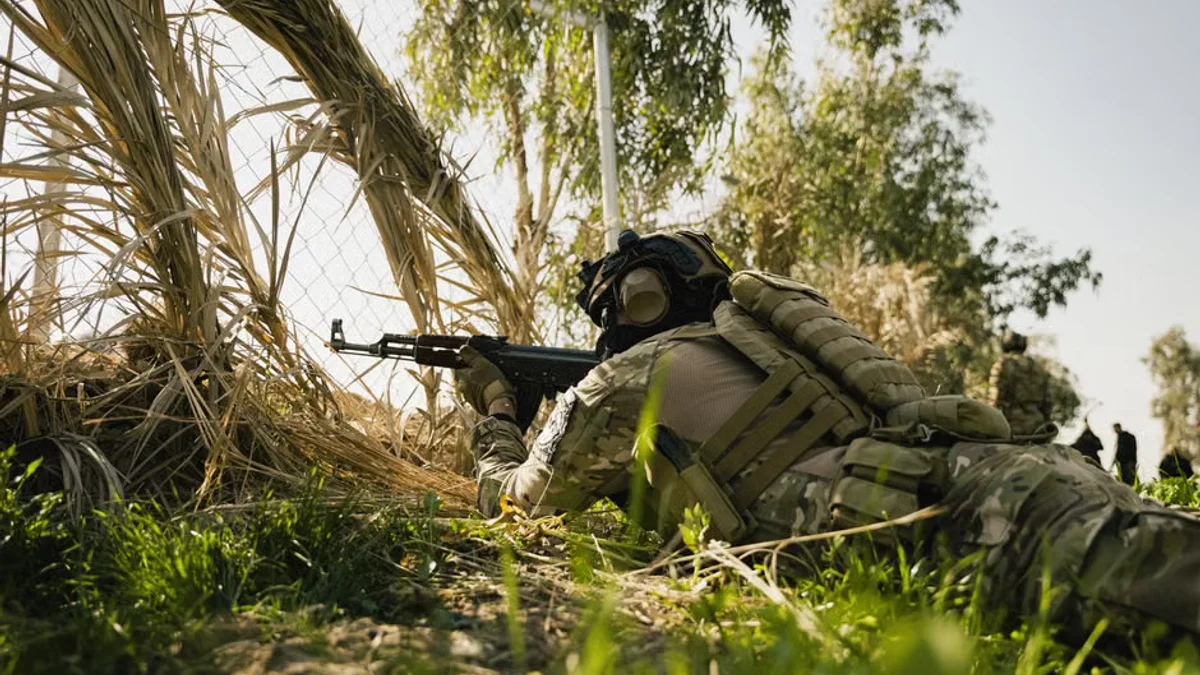
The ongoing escalation has prompted urgent diplomatic and military consultations among regional stakeholders and Western allies. Efforts to broker a durable ceasefire have faced severe headwinds, raising concerns over maritime security in the Red Sea and the stability of global energy supplies.
Key Highlights
- Houthi forces demonstrate enhanced precision drone and missile capabilities.
- Intelligence reports indicate sophisticated supply and manufacturing networks.
- Regional stability and Red Sea shipping lanes remain under heightened security threat.

As diplomatic channels strain, military strategists stress the imperative of upgrading integrated air defense architectures and fostering robust regional cooperation to deter further asymmetric escalation.