
RJ Mitte, the actor whose powerful portrayal of Walter White Jr. on the cultural phenomenon 'Breaking Bad' brought authentic disability representation to millions of television screens worldwide, has died at the age of 34. News of his passing was confirmed by his representatives, sending shockwaves through the entertainment industry and prompting an outpouring of grief from former co-stars, directors, and fans across the globe.
Born in Lafayette, Louisiana, Mitte was diagnosed with cerebral palsy at a young age. Rather than letting the condition deter his ambitions, he used his physical reality to redefine how characters with disabilities are perceived and written in mainstream media. His breakout role in 'Breaking Bad', which ran from 2008 to 2013, earned him widespread critical praise and established him as a vital voice for disabled actors in an industry historically lagging behind in inclusive casting.

Throughout his career, Mitte leveraged his platform to advocate fiercely for disability rights, inclusive employment practices, and accessible infrastructure. He frequently spoke about the hurdles faced by actors with disabilities, challenging Hollywood executives to look beyond tokenism and embrace authentic storytelling. His efforts extended far beyond the screen, working closely with various advocacy groups and mentoring young artists navigating the entertainment landscape.
Co-stars from 'Breaking Bad' have begun sharing heartfelt tributes, recalling his vibrant energy, professionalism, and unwavering optimism on set. Bryan Cranston, who played his on-screen father, remarked on Mitte's profound impact both as a performer and as a human being, noting his dedication to authenticity and kindness.
Key Highlights
- RJ Mitte gained international fame playing Walter White Jr. in 'Breaking Bad'.
- He was a passionate advocate for disability representation in Hollywood.
- Tributes from co-stars and industry leaders have poured in following his unexpected death at 34.
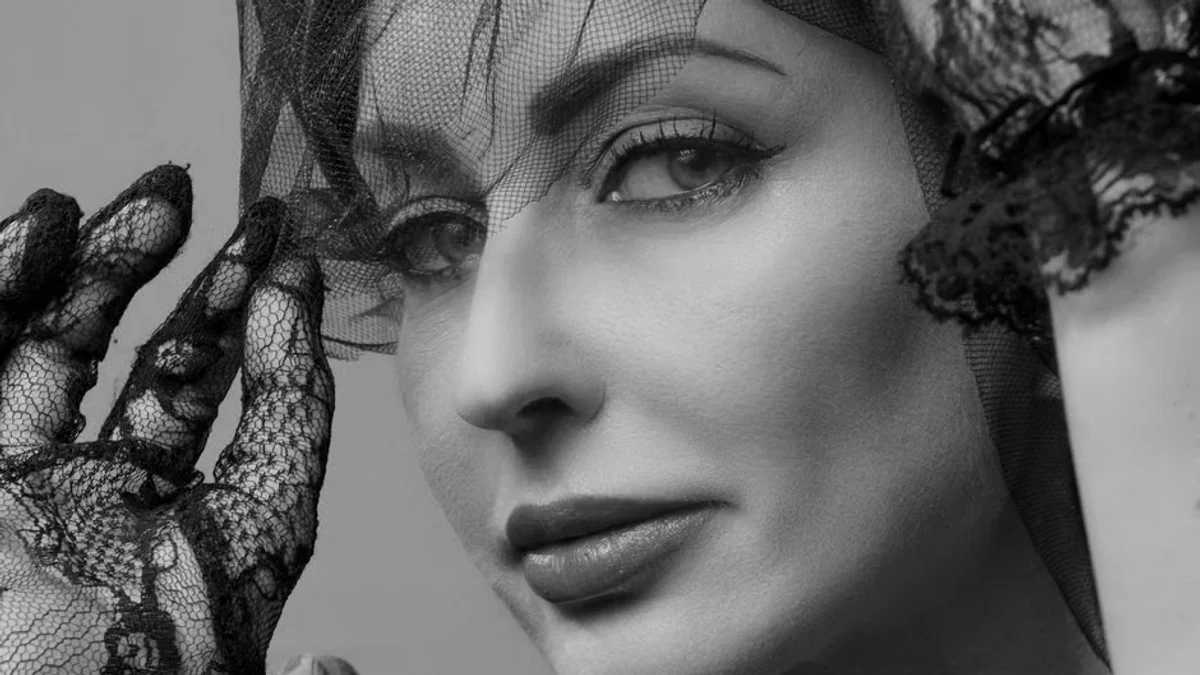
Mitte's legacy endures not only through his memorable contributions to television history but also through the systemic changes he championed for performers with disabilities, leaving an indelible mark on modern culture.