In a historic vote that marks a significant shift in how humanity measures time, international metrology experts and scientists have decided to phase out the use of leap seconds. Coordinated Universal Time (UTC), the world's time standard, has historically required occasional adjustments to compensate for the Earth's slowing rotation. However, these sporadic insertions of extra seconds have long wreaked havoc on digital infrastructure, financial markets, and global telecommunications.
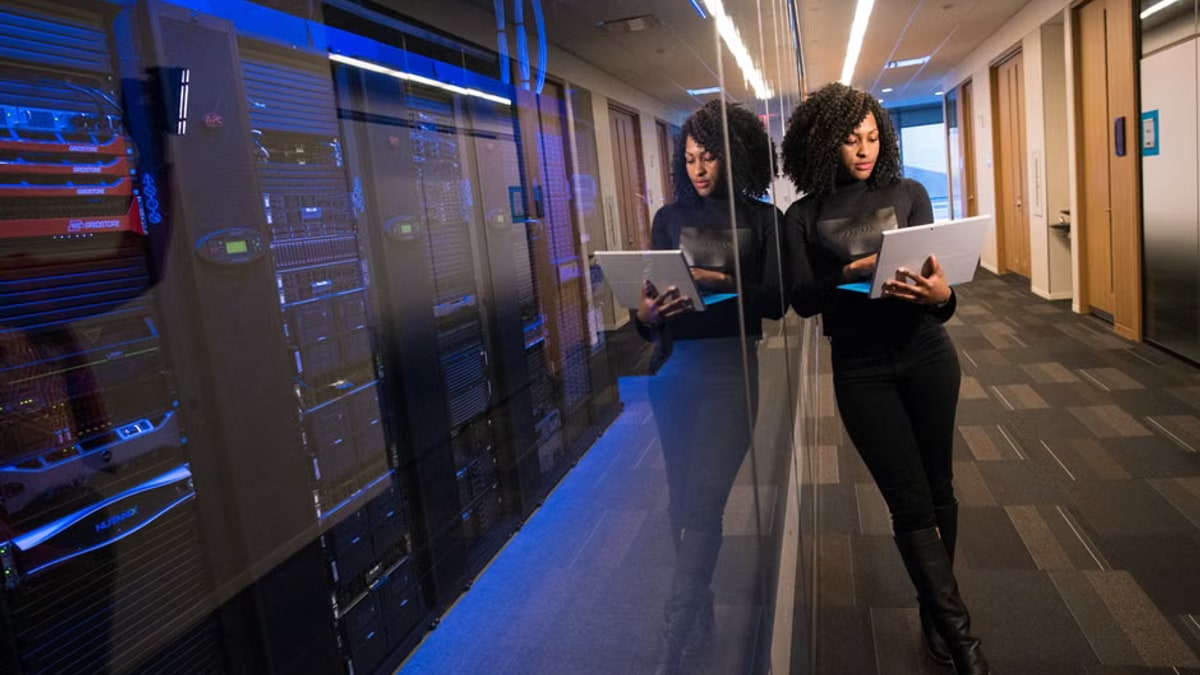
The decision comes as a major victory for major technology conglomerates, including Google, Meta, Microsoft, and Amazon, which have lobbied for years to halt the practice. Because computers and servers rely on absolute precision, a sudden, unpredictable leap second often triggers widespread software bugs, system crashes, and synchronization failures across cloud platforms and global stock exchanges.

Under the new international agreement, the implementation of leap seconds will be frozen or phased out over the coming decades, allowing engineers to develop smoother, more reliable time-keeping synchronization protocols. While astronomers and historians note that Earth's rotation will continue to drift away from atomic time, the deviation will be managed through larger, predictable adjustments over centuries rather than sudden, disruptive single-second insertions.
The ruling highlights the increasing influence of digital infrastructure on fundamental global standards. As society grows increasingly dependent on automated financial trading, cloud computing, and satellite navigation, the need for stable, uninterrupted system operations has ultimately outweighed traditional astronomical timekeeping preferences.
Key Highlights
- International metrology experts vote to phase out leap seconds by 2035.
- Decision heavily favors big tech companies seeking stable server synchronization.
- Unpredictable leap seconds have historically caused digital glitches and financial system bugs.
- Future time drift will be managed through longer-term, predictable adjustments.
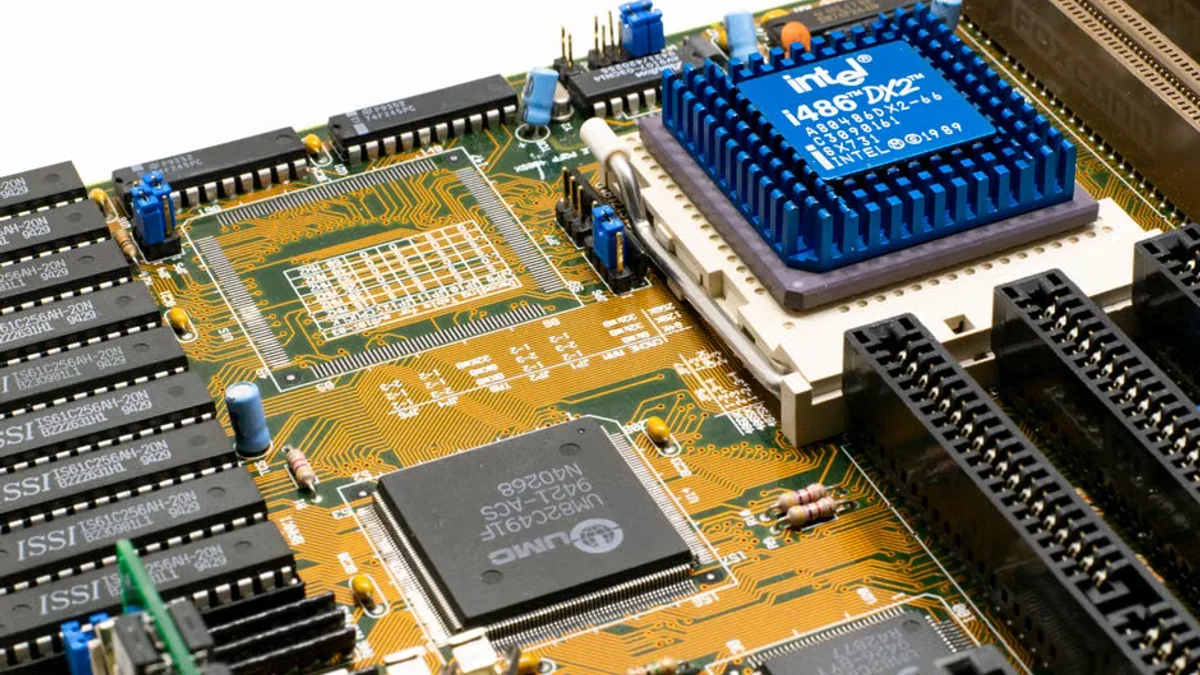
This landmark transition ensures that the digital backbone of the global economy will operate with greater stability, safeguarding against critical technological disruptions in an interconnected world.