Bulgarian national security and defense officials have announced that preliminary intelligence assessments point directly to Russian state actors as the likely perpetrators behind a series of mysterious drone strikes in the western Black Sea. The attacks targeted commercial shipping lanes near NATO’s maritime borders, igniting urgent security consultations among alliance members.
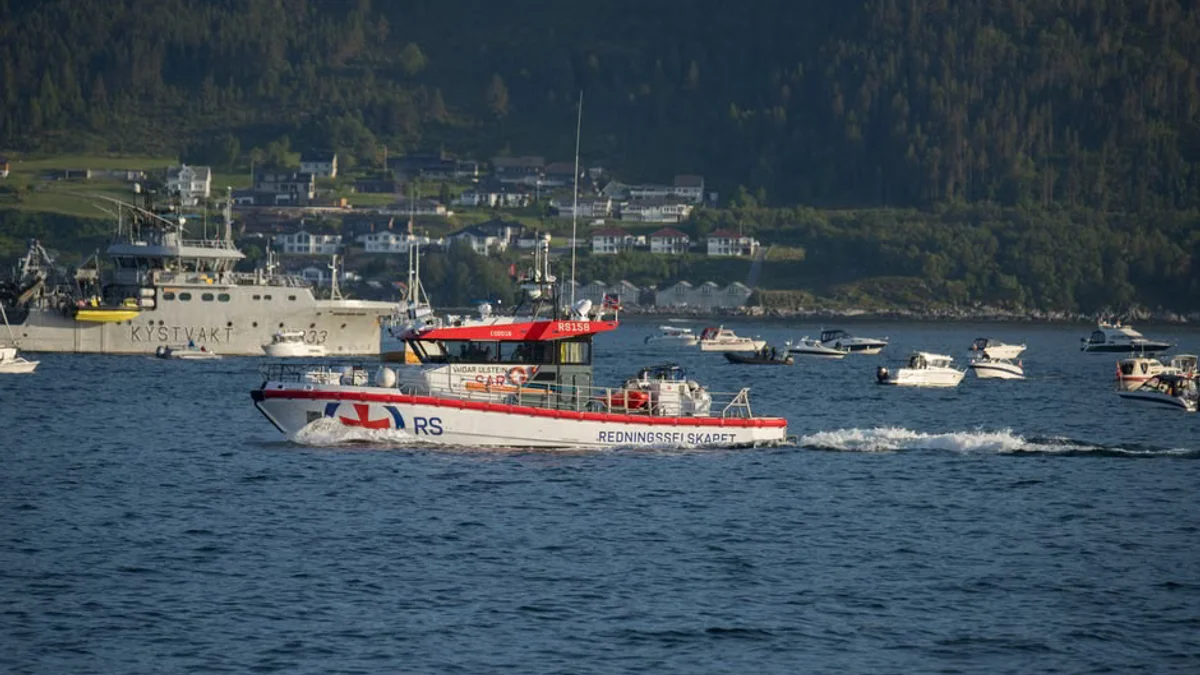
Search and rescue operations involving coast guard vessels and aircraft from neighboring NATO allies remain active as crews scour turbulent waters for missing sailors. Maritime authorities have recovered debris from the downed civilian vessels, confirming that precision explosives delivered via unmanned aerial vehicles caused the catastrophic structural failures.

In response to the escalating security threat, NATO's southeastern command has reinforced aerial patrols and deployed additional anti-drone defense batteries along the Black Sea coastline. Bulgarian Prime Minister condemned the attacks as a blatant violation of international maritime law and a direct provocation against regional stability.
Moscow has thus far denied direct involvement in the maritime incident, attributing regional tensions to provocative military maneuvers by Western allies. Diplomatic friction between NATO members and Russian representatives continues to mount as the geopolitical fallout from the Black Sea strikes intensifies.
Key Highlights
- Bulgarian intelligence implicates Russia in recent Black Sea commercial drone attacks.
- International rescue teams continue searching for missing sailors near NATO borders.
- NATO's southeastern command has reinforced aerial patrols and coastal defenses.
- Moscow denies involvement, blaming Western military maneuvers for regional instability.

As recovery efforts persist, the incident underscores the fragile security architecture governing vital European trade corridors.