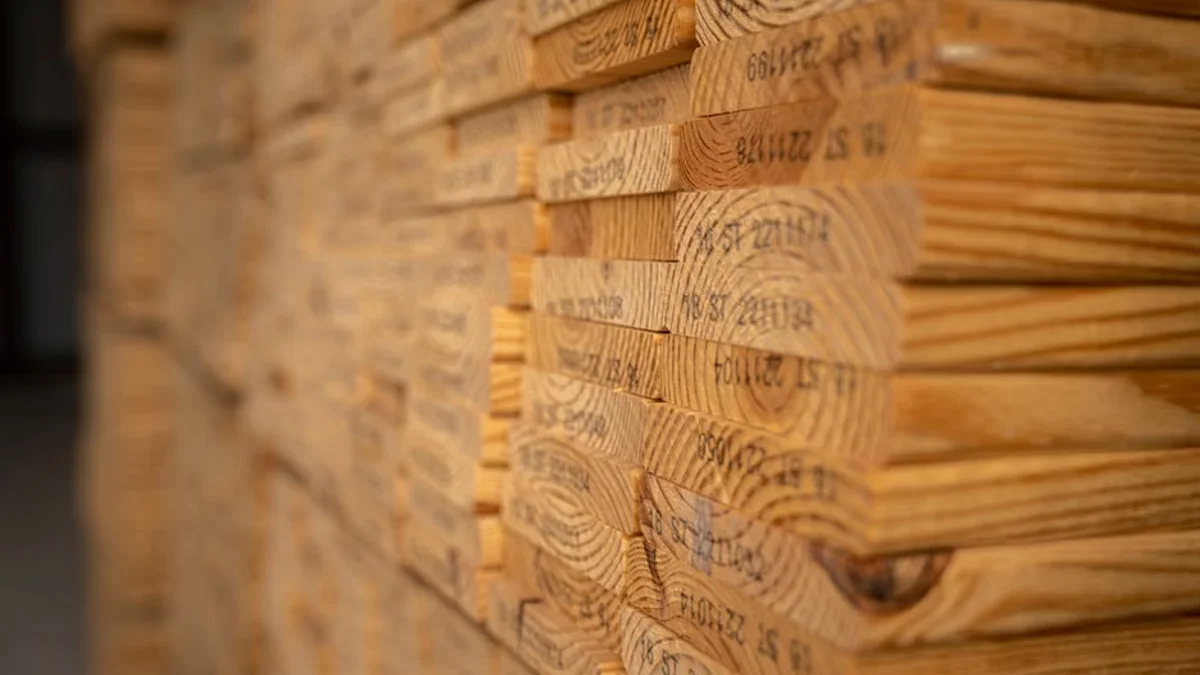
OTTAWA — Trade tensions between Washington and Ottawa escalated significantly following the United States Department of Commerce's decision to implement a fresh series of punitive tariffs on Canadian softwood lumber imports. Canadian federal officials and industry leaders reacted with profound disappointment, arguing that the duties are unjustified, protectionist, and ultimately harmful to both Canadian exporters and American consumers grappling with affordable housing shortages.
The long-running softwood lumber dispute, spanning several decades, centers on American allegations that Canadian timber producers benefit from unfair government subsidies because most Canadian timber is harvested on public land. Canadian trade representatives categorically reject this premise, pointing to numerous international trade tribunals under the United States-Mexico-Canada Agreement (USMCA) and World Trade Organization (WTO) rulings that have previously found US duty rates to be excessive and legally flawed.

Domestic lumber producers in British Columbia, Quebec, and other forested provinces warned that the increased tariffs threaten thousands of forestry jobs and could severely disrupt supply chains at a time when construction material costs remain volatile. In Washington, domestic US lumber coalition lobbyists applauded the tariffs, maintaining that protectionist measures are vital to safeguarding American timber companies from subsidized foreign competition.
Economic analysts note that while previous legal challenges by Canada have yielded partial victories, a comprehensive, long-term bilateral trade agreement remains elusive. Canadian trade ministers have signaled that Ottawa will pursue all available legal avenues under international trade law to contest the new tariff rates, ensuring that lumber remains a persistent thorn in cross-border diplomatic relations.
Key Highlights
- US Department of Commerce imposes fresh tariffs on Canadian softwood lumber.
- Ottawa condemns the duties as protectionist measures harmful to North American housing markets.
- Decades-old trade dispute highlights disagreements over public timber pricing and subsidies.
- Canada plans rigorous legal challenges through international trade dispute mechanisms.

As cross-border negotiations stall, the ongoing lumber dispute underscores the fragile nature of bilateral trade enforcement even within integrated North American economic partnerships.