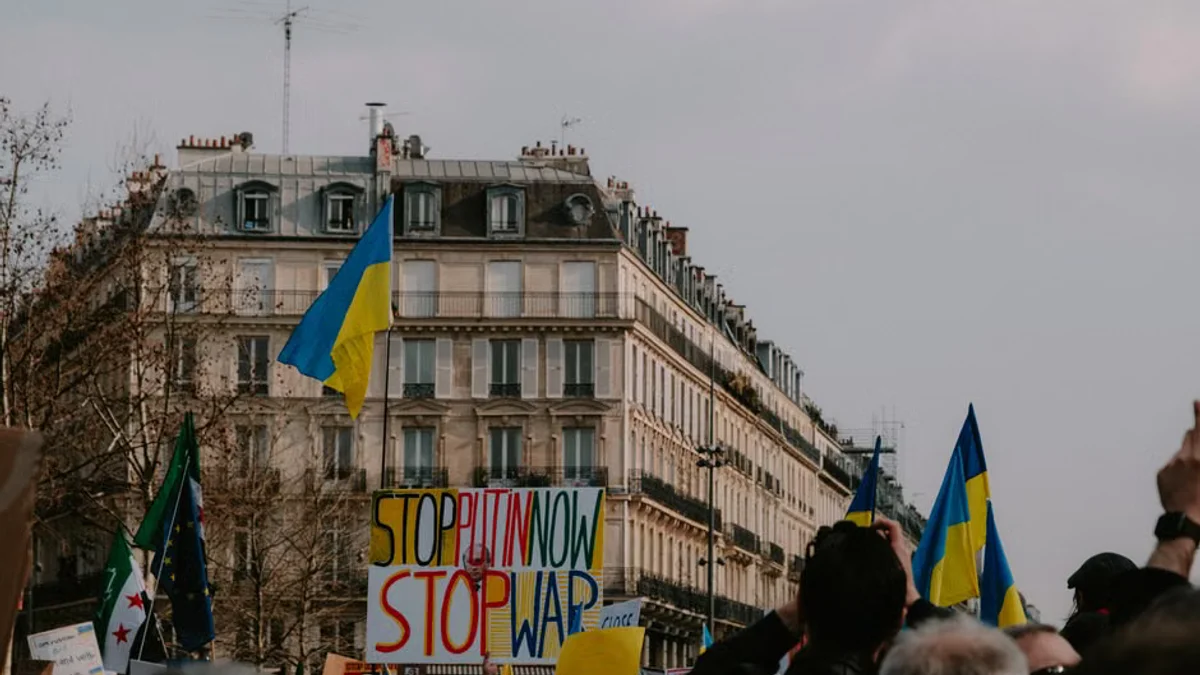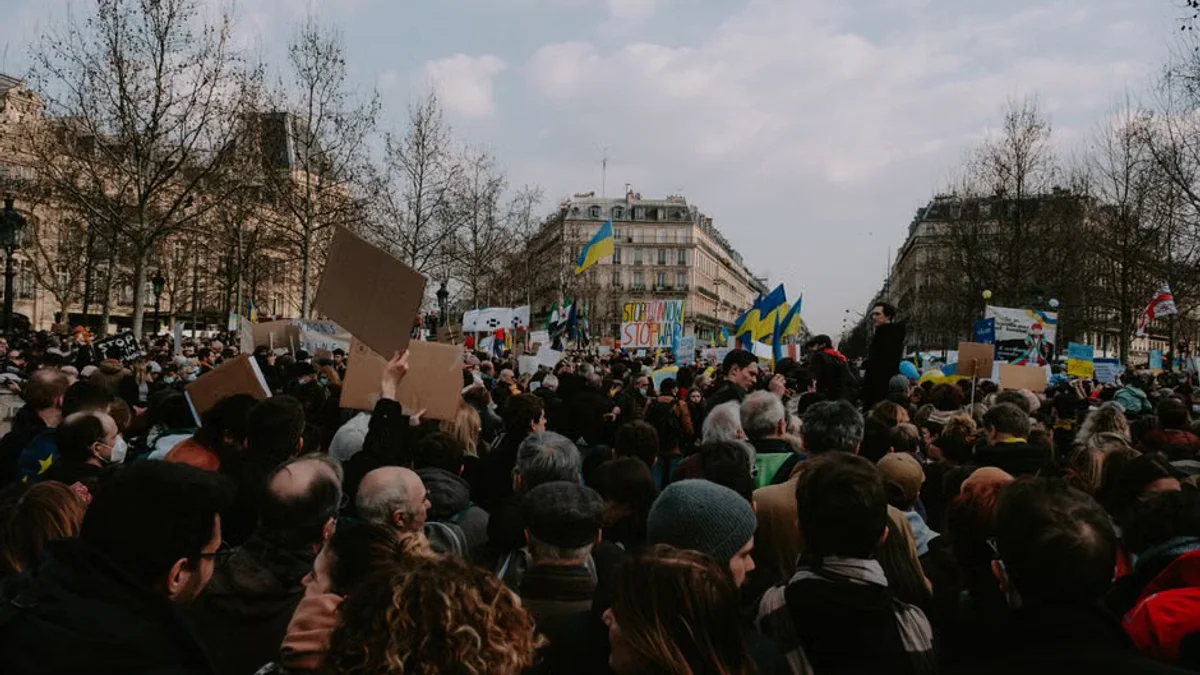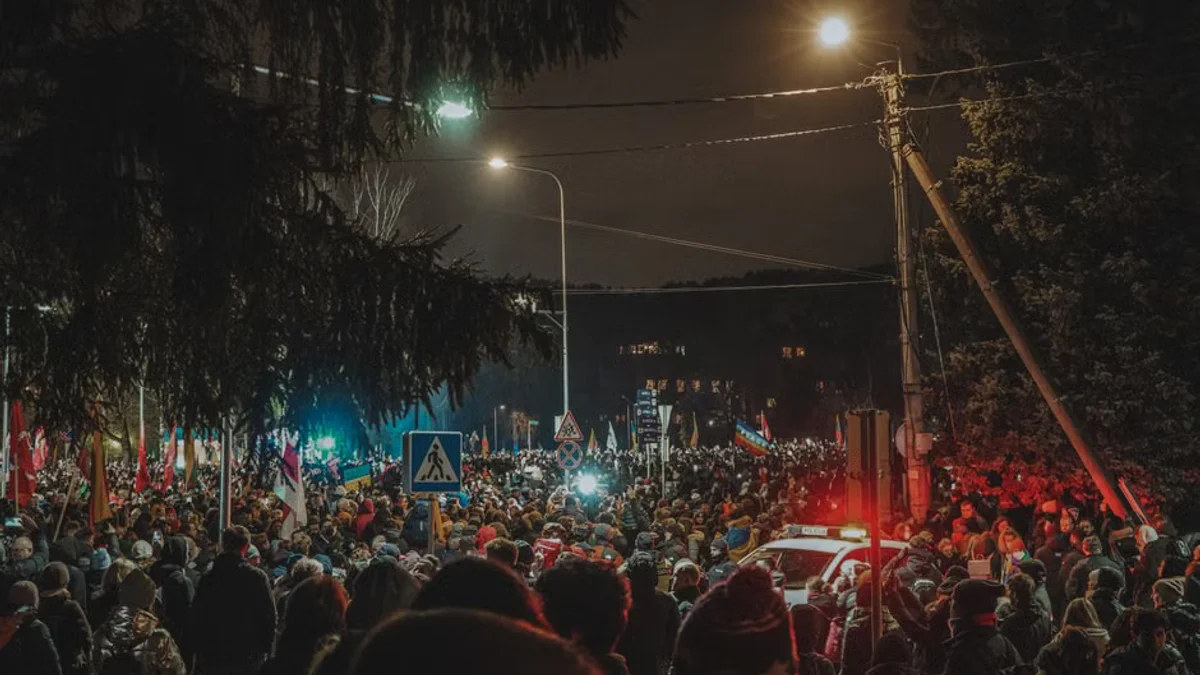
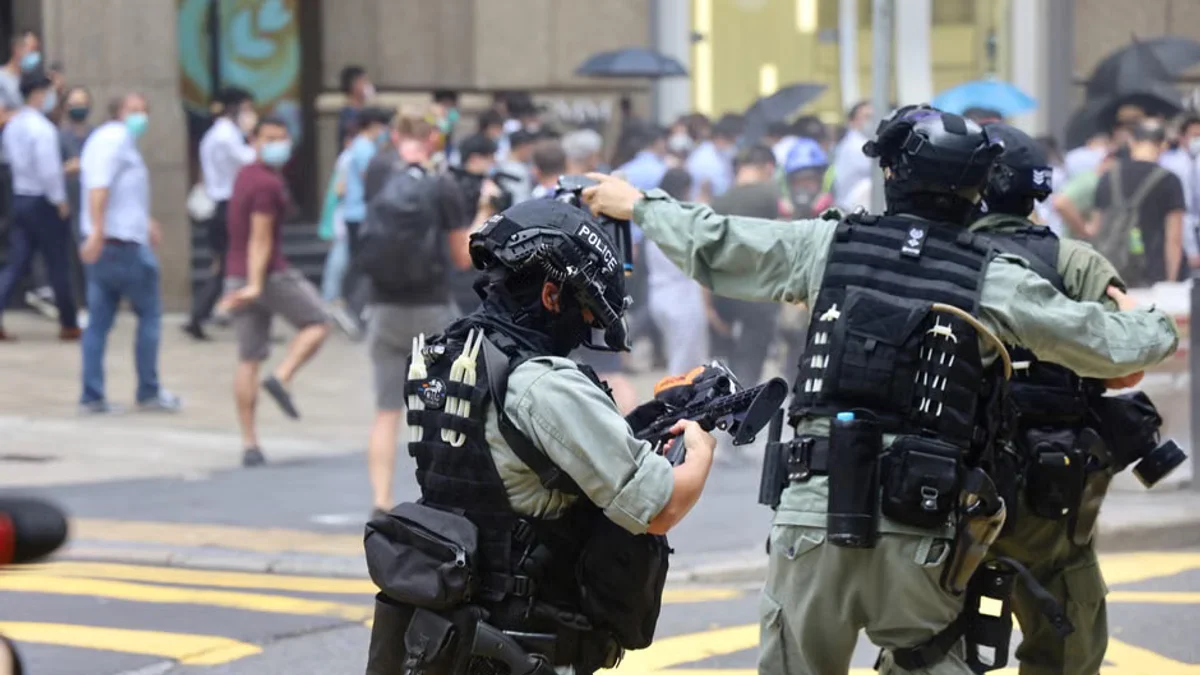
France is grappling with a profound political and social crisis following a wave of student-led demonstrations that resulted in severe, gruesome injuries among teenage participants. The incidents, which occurred during rallies protesting educational reforms and funding cuts, have thrown an unflattering spotlight on the heavy-handed crowd control methods employed by French security forces.
Human rights watchdogs, civil liberties lawyers, and opposition lawmakers have launched scathing critiques against the Ministry of the Interior, demanding an immediate independent inquiry into the use of kinetic impact projectiles and aggressive intervention tactics by elite police units. Graphic images and video footage circulating across global media outlets have galvanized public outrage, drawing parallels to previous periods of civil unrest in major French urban centers.
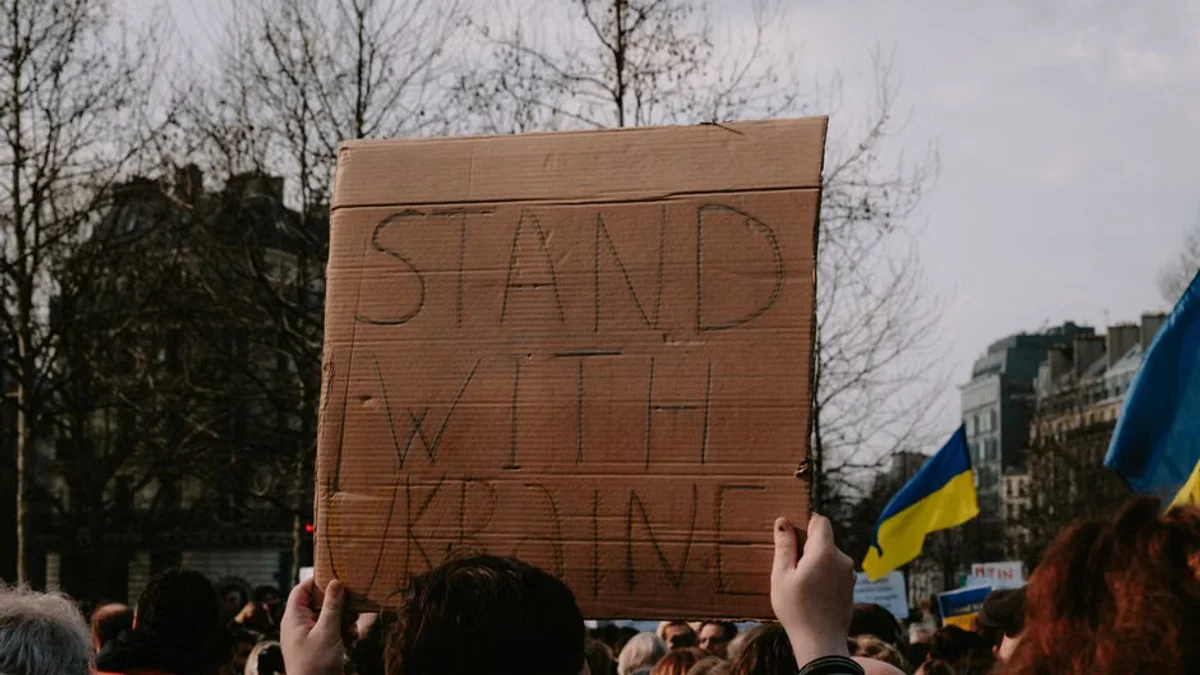
Government officials defended the deployment of security personnel, citing the need to maintain public order and protect property amid instances of isolated vandalism and clashes. However, mounting pressure from international bodies and domestic civil society groups has placed the administration under intense scrutiny regarding its approach to democratic dissent and youth safety.
Political analysts warn that mishandling the crisis could trigger broader strikes and paralyze public infrastructure, echoing historical French labor and student movements that reshaped national policy. The situation remains volatile as student unions organize nationwide walkouts in solidarity with the injured protesters.
Key Highlights
- Severe injuries during French high school protests spark national outcry.
- Critics demand independent inquiries into police crowd control tactics.
- International human rights groups condemn excessive use of force against minors.

The unfolding events in France highlight the delicate balance democratic governments must maintain between public safety and the fundamental right to peaceful assembly.