
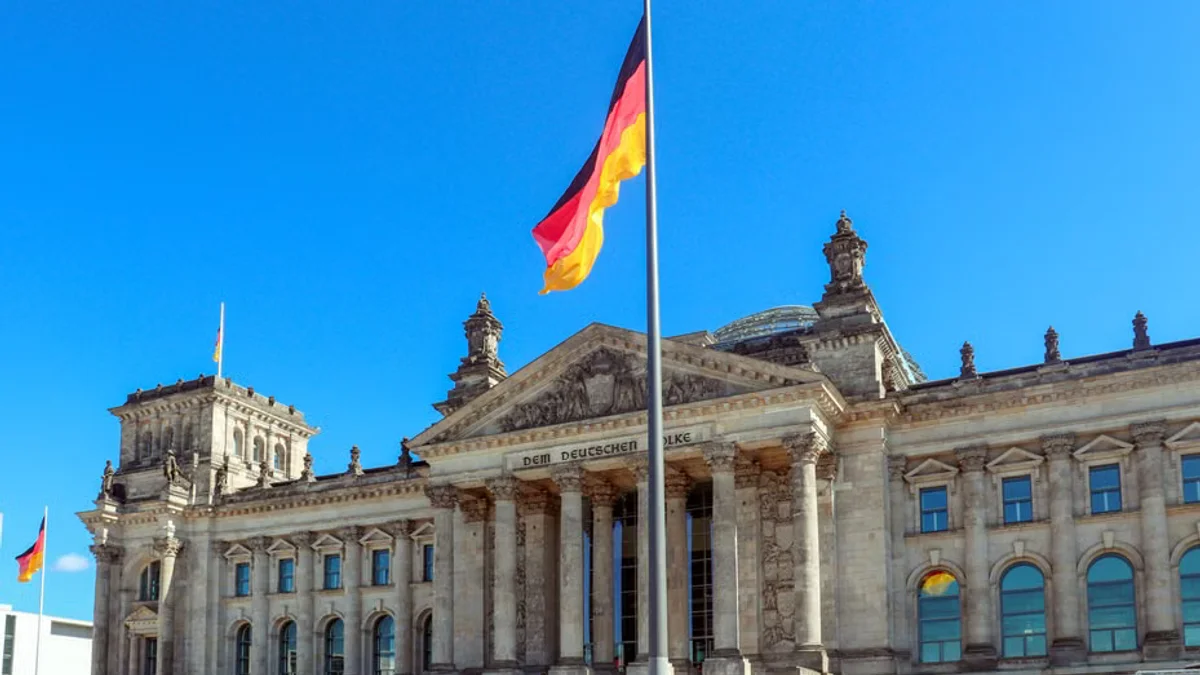
German democratic politics entered uncharted territory as the far-right Alternative for Germany (AfD) party successfully secured its first-ever state parliament speaker position in a regional legislative body. The milestone represents a significant psychological and political breakthrough for the populist, anti-immigration party, which has steadily expanded its electoral footprint across eastern Germany despite facing severe cordoning-off strategies by mainstream political coalitions.
The election of the AfD parliament speaker immediately triggered sharp rebukes from federal leaders, human rights advocates, and representatives from traditional democratic parties, who view the event as a dangerous normalization of extremist ideology within institutional governance. Critics argue that holding high-ranking parliamentary offices grants the party unearned democratic legitimacy and access to sensitive legislative procedures.
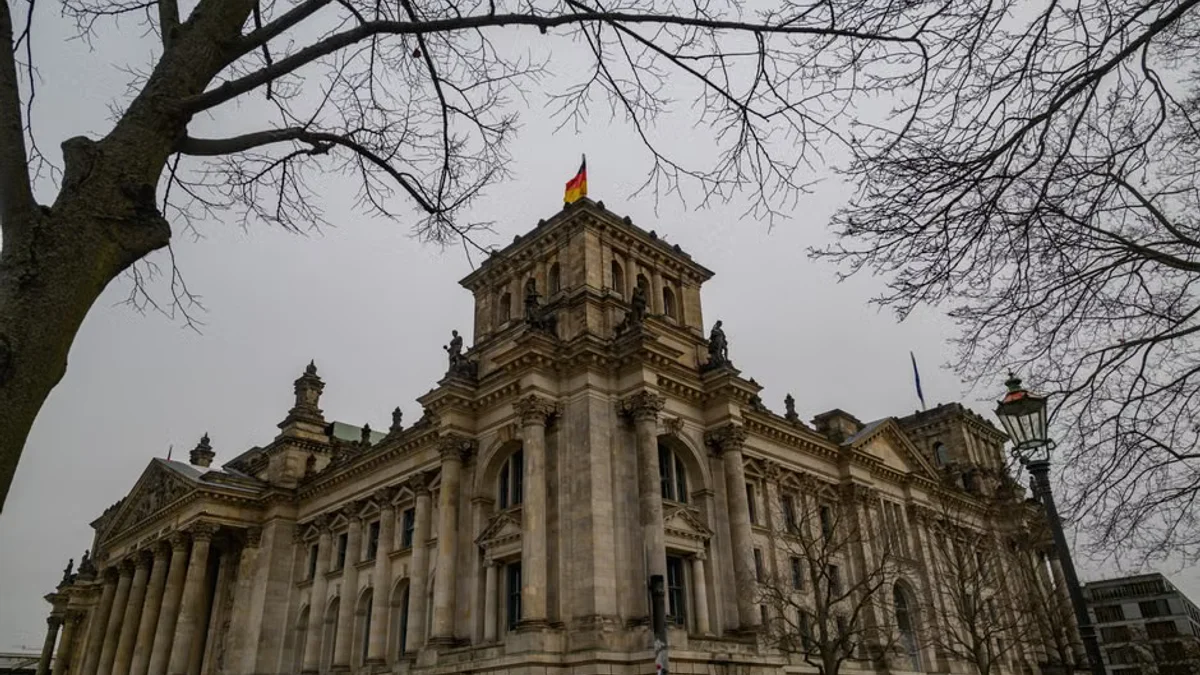
Conversely, AfD representatives hailed the appointment as a legitimate victory reflecting the will of regional voters dissatisfied with current federal economic and immigration policies. Political scientists warn that this institutional breakthrough could set a precarious precedent for future coalition formations and regional governance structures across Germany, as mainstream parties grapple with how to counter the enduring rise of right-wing populism in Europe's largest economy.
Key Highlights
- The far-right AfD party secures its first state parliament speaker role in a German regional legislature.
- Mainstream parties and federal leaders express profound concern over institutional normalization.
- The milestone highlights the growing electoral strength of populist movements in eastern Germany.

As political analysts assess the broader ramifications, the event underscores the enduring challenges facing traditional democratic safeguards in contemporary European politics.