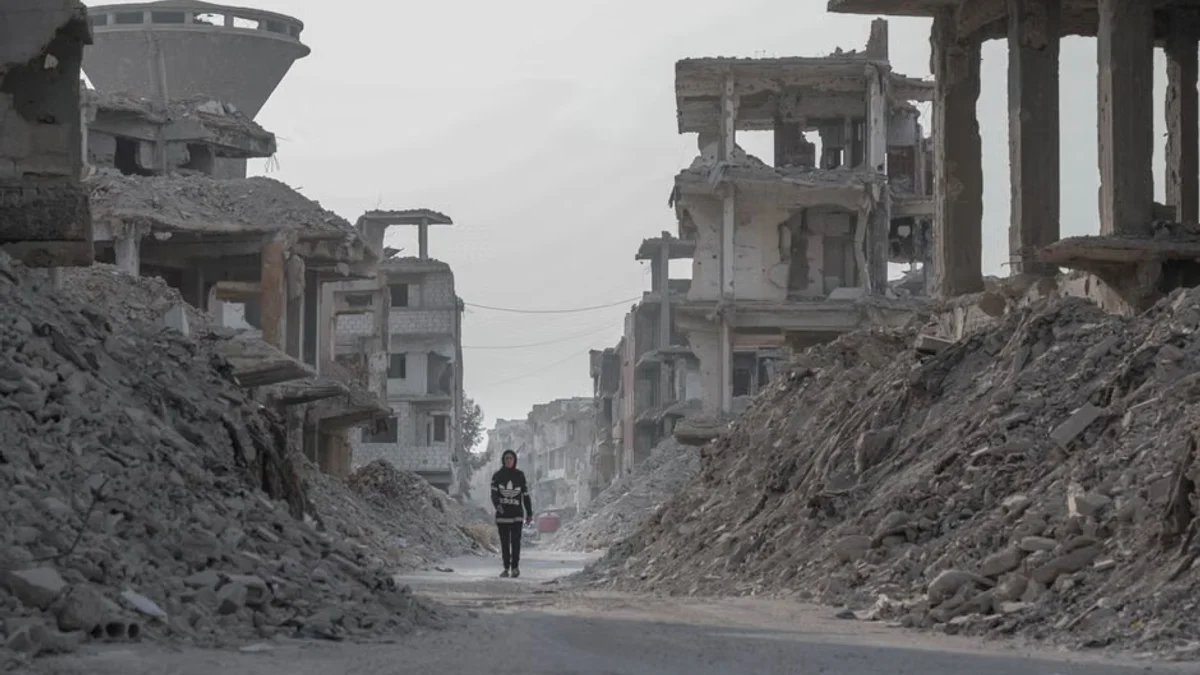
Amid escalating military engagements across Yemen, Iran-backed Houthi leadership has categorically rejected reports suggesting they are losing ground to coalition forces. Despite fierce localized fighting and sustained airstrikes targeting strategic positions, Houthi spokespersons maintained that their defensive lines remain secure and fully operational.
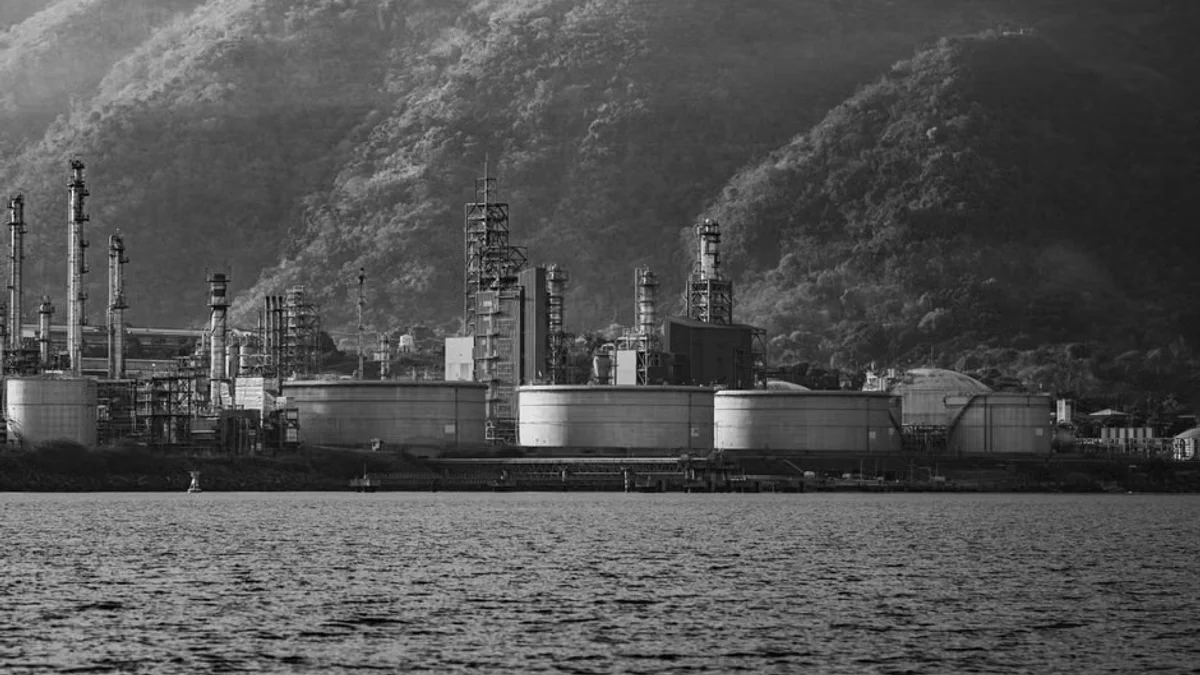
The ongoing conflict in Yemen continues to cast a long shadow over vital maritime trade routes in the Red Sea and the Gulf of Aden. However, in a surprising market reaction, global oil prices have eased slightly despite the heightened security risks. Energy analysts attribute this stabilization to robust crude inventories and tempered economic growth forecasts across major industrialized nations, which have offset immediate supply disruption fears.
International diplomats and United Nations envoys are intensifying efforts to broker a sustainable ceasefire, warning that prolonged military escalation threatens to exacerbate an already catastrophic humanitarian crisis. Humanitarian organizations report severe logistical hurdles in delivering food and medical aid to vulnerable populations caught in contested zones.
As geopolitical tensions persist across the Middle East, regional governments and international superpowers remain on high alert, closely monitoring military movements and striving to prevent a broader regional conflagration that could severely disrupt global energy markets.
Key Highlights
- Iran-backed Houthis deny losing territorial ground in ongoing Yemen clashes.
- Global oil prices ease despite fierce fighting and maritime security concerns.
- UN envoys push for renewed diplomatic talks and sustainable ceasefire agreements.
- Humanitarian agencies highlight worsening conditions for civilians in conflict zones.
The situation in Yemen remains a volatile flashpoint where military posturing and humanitarian urgency intersect, demanding sustained international diplomatic engagement to secure lasting regional peace.