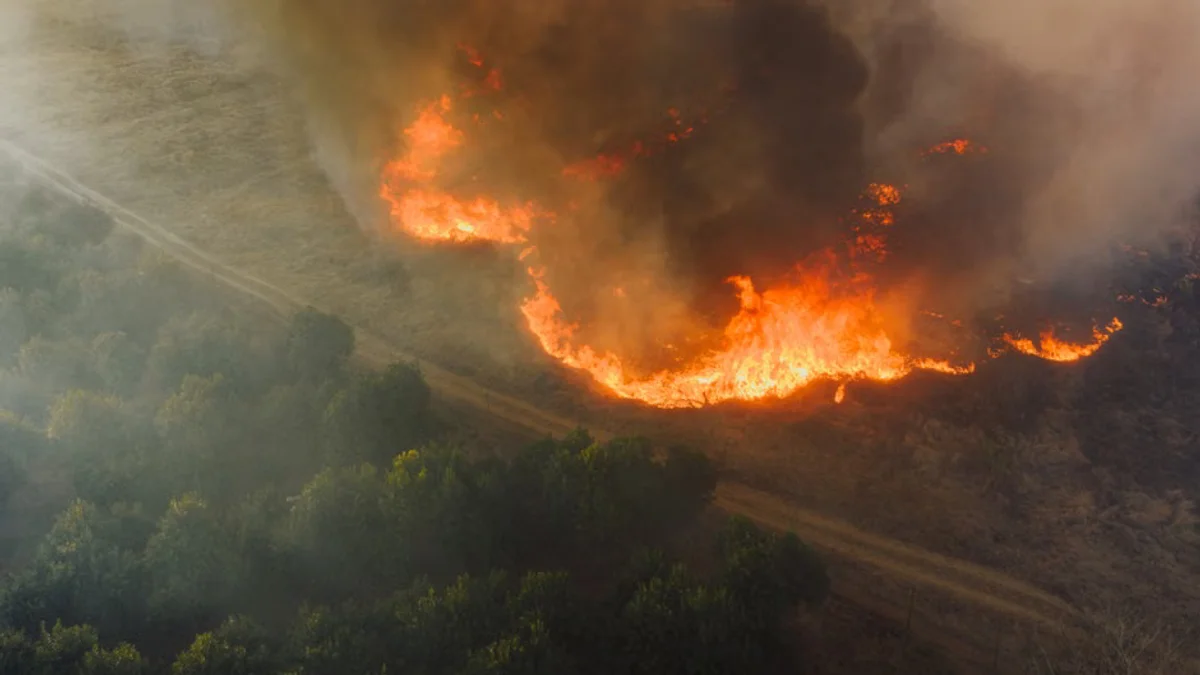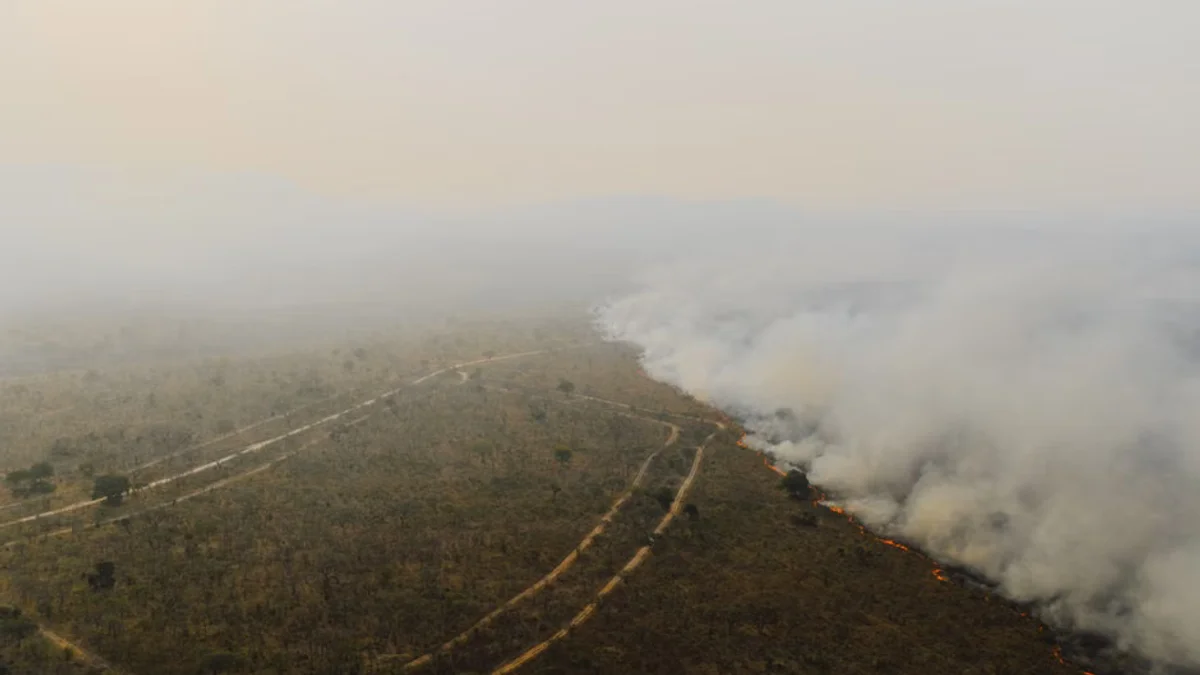
Indonesian environmental and disaster management agencies have announced the rollout of advanced dry ice cloud seeding operations aimed at inducing artificial rain and clearing the dense, toxic haze choking the region. Driven by stubborn forest and land fires in Sumatra and Kalimantan, the smog has steadily degraded regional air quality indices, prompting health concerns and cross-border diplomatic discussions.
Unlike traditional salt-based cloud seeding methods, deploying solid carbon dioxide (dry ice) allows meteorologists to rapidly cool supercooled clouds in targeted atmospheric layers, accelerating condensation and triggering heavy downpours precisely over fire-prone hotspots. Aviation units and specialized weather modification teams have been placed on high alert, conducting sorties across volatile sectors to suppress ongoing blazes and wash particulate matter out of the troposphere.
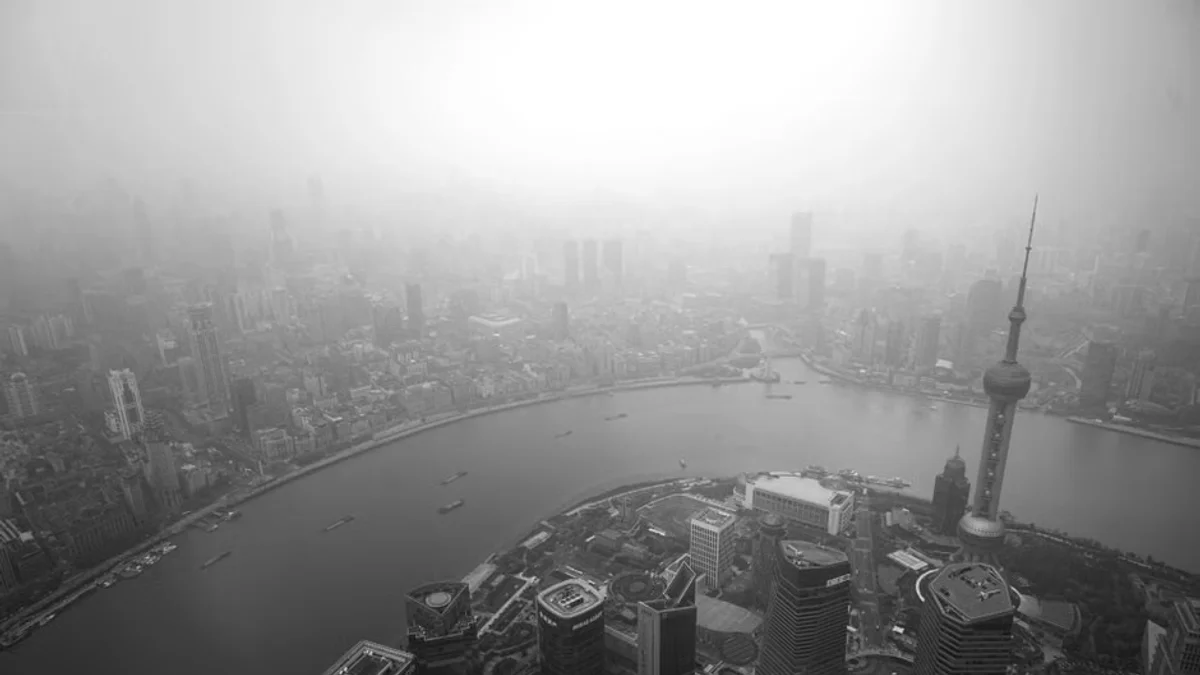
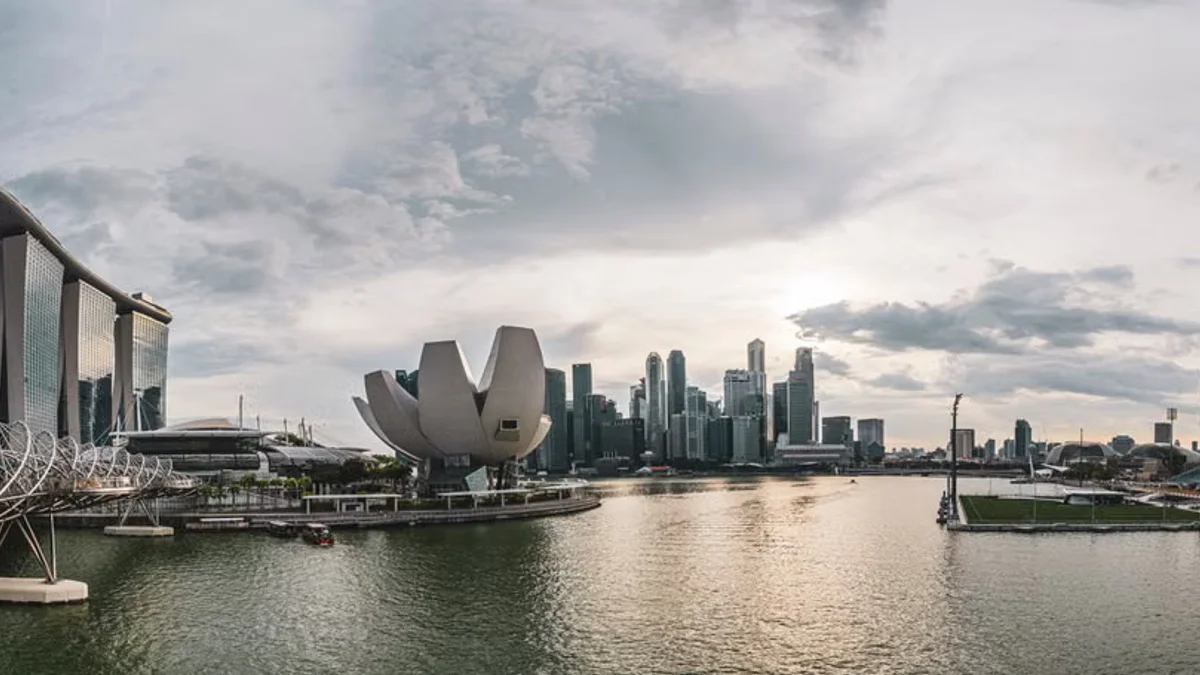
Neighboring nations, particularly Singapore and Malaysia, have monitored the situation closely, welcoming Jakarta’s proactive intervention while implementing their own domestic public health safeguards. Environmental scientists emphasize that while weather modification offers crucial immediate relief, long-term resolution requires stricter enforcement against illegal slash-and-burn agricultural practices.
Key Highlights
- Indonesia utilizes dry ice cloud seeding to induce artificial rain and clear forest fire haze.
- Operations focus on hotspots across Sumatra and Kalimantan to suppress spreading blazes.
- Neighboring Southeast Asian nations monitor air quality and coordinate regional response strategies.
- Experts stress the ongoing need for strict legal action against illegal agricultural burning.
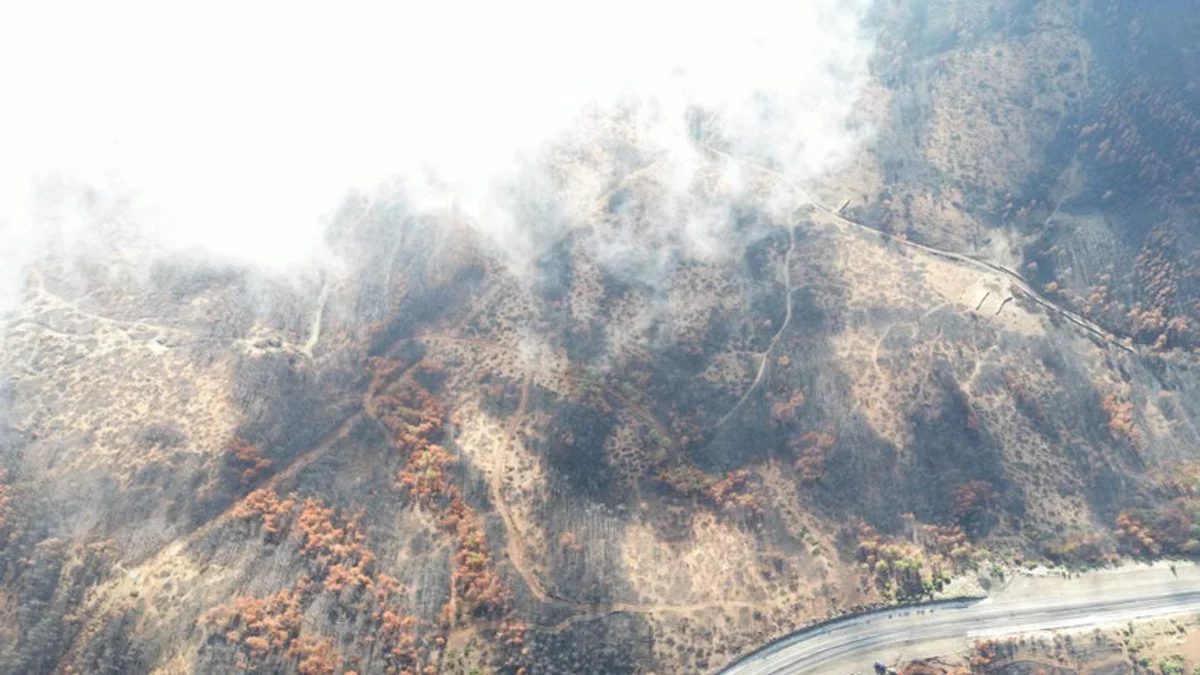
As climate volatility intensifies dry season conditions across Southeast Asia, innovative technological interventions like dry ice seeding are becoming essential tools in regional disaster management and environmental preservation.