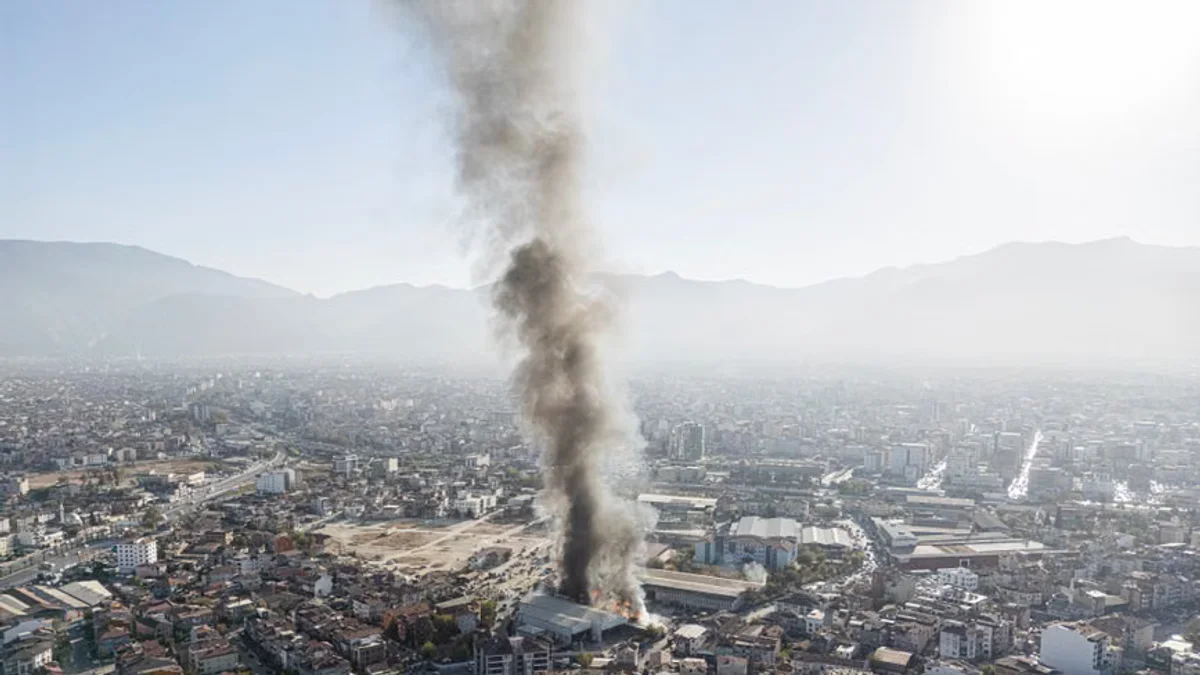
Public discontentment in Indonesia has reached a boiling point, sparking widespread protests across several regions as citizens take to the streets to demand immediate government action against devastating forest fires. The blazes, which have released thick, toxic smog across multiple provinces and neighboring nations, have severely impacted public health, grounded flights, and closed schools, prompting severe criticism of local authorities' prevention measures.
Environmental activists and local communities are placing the blame squarely on corporate agricultural practices, specifically pointing to illegal slash-and-burn land clearing methods utilized by palm oil and pulp plantation companies. Despite government pledges to crack down on environmental offenders, enforcement remains inconsistent, fueling widespread frustration among residents whose livelihoods and respiratory health are directly compromised by the annual smoke pollution.

The transboundary haze has also strained diplomatic relations within Southeast Asia, as neighboring countries like Singapore and Malaysia report deteriorating air quality indices. Regional health officials have advised vulnerable populations to wear masks and remain indoors, while international environmental coalitions are increasing pressure on multinational corporations to adopt transparent, sustainable supply chain practices.
Indonesian officials have mobilized firefighting squads and deployed cloud-seeding aircraft to induce artificial rain, but prolonged dry weather conditions driven by climate patterns continue to hamper containment efforts. Protesters are demanding harsher criminal penalties for corporate executives found negligent in preventing peatland fires.
Key Highlights
- Protests erupt across Indonesia over uncontrolled forest fires and toxic haze.
- Activists blame illegal slash-and-burn clearing by commercial plantation operators.
- Transboundary haze affects air quality in neighboring Singapore and Malaysia.
- Authorities deploy emergency firefighting units and cloud-seeding operations.

The escalating crisis highlights the urgent need for robust environmental governance and regional cooperation to combat climate-induced ecological disasters in Southeast Asia.