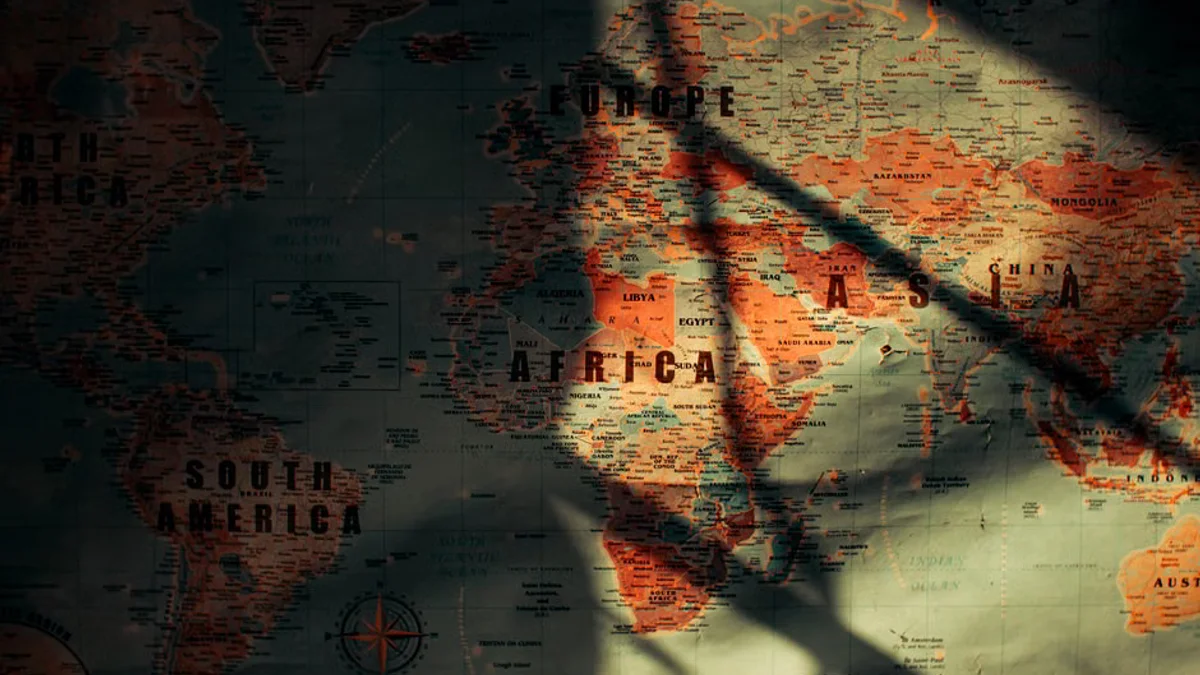
The geopolitical landscape of the Middle East remains deeply scarred as communities across Israel pause to mourn the victims of the devastating October 7 attacks. Memorial ceremonies and solemn reflections highlight the enduring trauma felt by families of those killed and taken hostage, an event that fundamentally altered national security paradigms and societal trust.
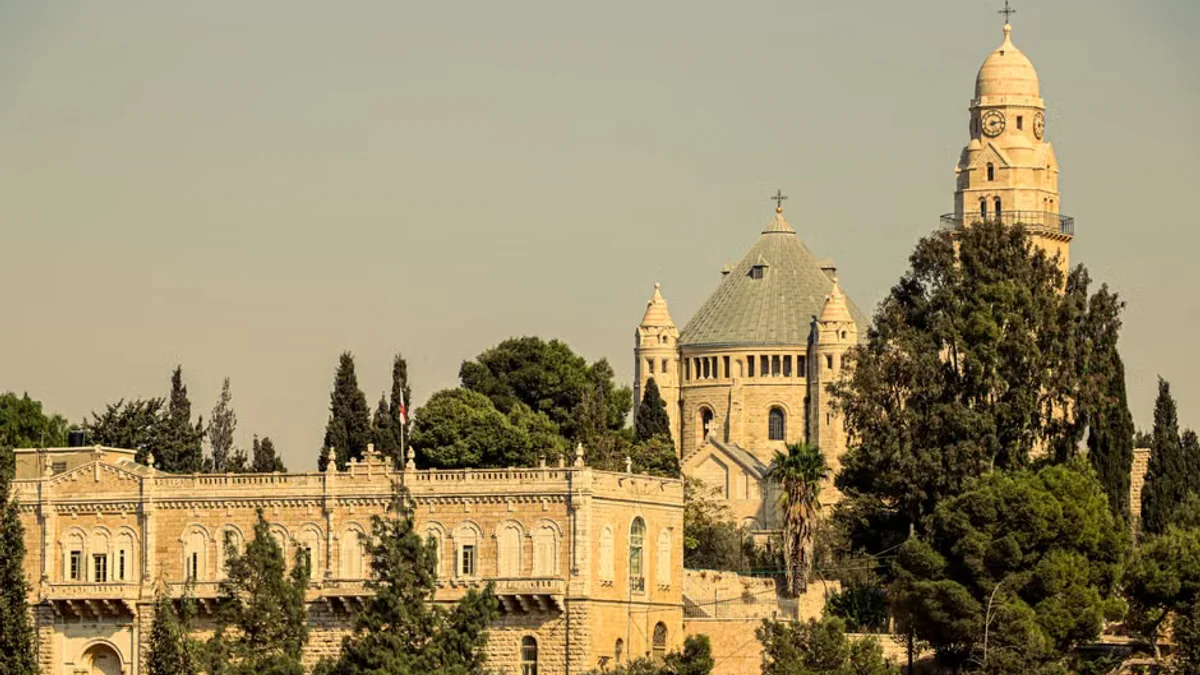
Simultaneously, the war sparked by those attacks continues to exact a catastrophic humanitarian toll on the civilian population in Gaza. International aid organizations report that millions of Palestinians are currently languishing in vast expanses of urban ruins, facing acute shortages of food, clean water, medical supplies, and adequate shelter. Global diplomatic efforts have repeatedly struggled to secure a lasting ceasefire, leaving humanitarian agencies severely constrained in their ability to deliver life-saving aid.
World leaders and international human rights bodies have reiterated urgent calls for the protection of civilian lives, the unimpeded flow of humanitarian assistance, and renewed pathways toward a diplomatic resolution. However, entrenched political positions and ongoing military operations suggest that a path to sustainable peace remains distant, compounding suffering on all sides of the demarcation line.

Key Highlights
- Israel observes solemn memorial events commemorating the October 7 attacks.
- Gaza faces an unprecedented humanitarian crisis amid extensive structural ruins.
- International diplomats urge renewed ceasefire negotiations and humanitarian access.
The stark juxtaposition of grief and devastation underscores the profound urgency for international intervention and a lasting political settlement in the region.