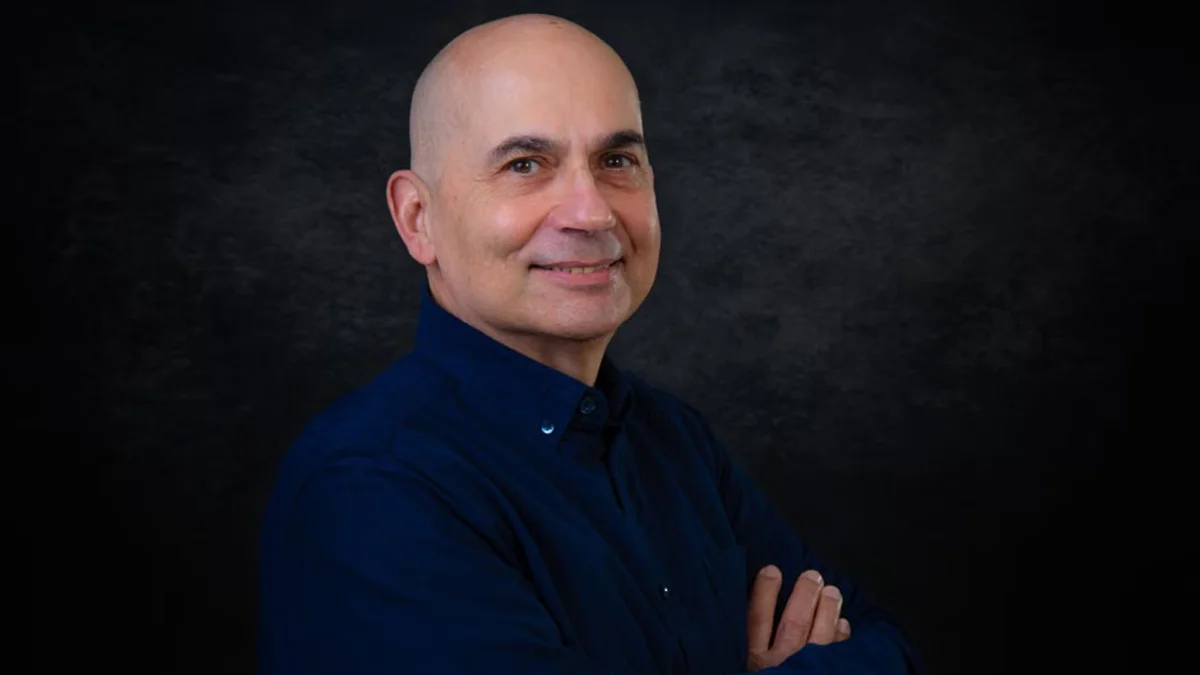

Three years after the catastrophic escalation of conflict on October 7, Chapel Hill native Keith Siegel and his family have stepped forward to share their harrowing accounts of survival, captivity, and the long road toward emotional healing. Siegel, whose ordeal captured international headlines during extended captivity and subsequent release, spoke candidly about the psychological scars left by the experience and the unwavering strength required to rebuild a shattered life.
In interviews reflecting on the multi-year anniversary, Siegel and his wife emphasized the vital role of community support, mental health advocacy, and international diplomatic efforts in securing freedom for hostages. Their narrative transcends individual trauma, offering a poignant lens through which global audiences can examine the human dimensions of geopolitical warfare. North Carolina community leaders and national organizations have honored the family's resilience, holding commemorative events centered on peace, empathy, and the ongoing advocacy for remaining captives worldwide.
Geopolitical analysts note that personal narratives of survival continue to shape public policy debates and humanitarian responses in Washington and European capitals. As diplomatic negotiations remain fragile across the Middle East, stories from survivors such as Siegel serve as a powerful reminder of the urgency required in resolving protracted humanitarian crises.
Key Highlights
- Keith Siegel reflects on survival three years after October 7.
- The family emphasizes community support and mental health healing.
- Surviving hostages continue to advocate for global peace and remaining captives.
The journey of Keith Siegel stands as an enduring testament to human endurance, proving that hope can persist even in the darkest corners of geopolitical conflict.