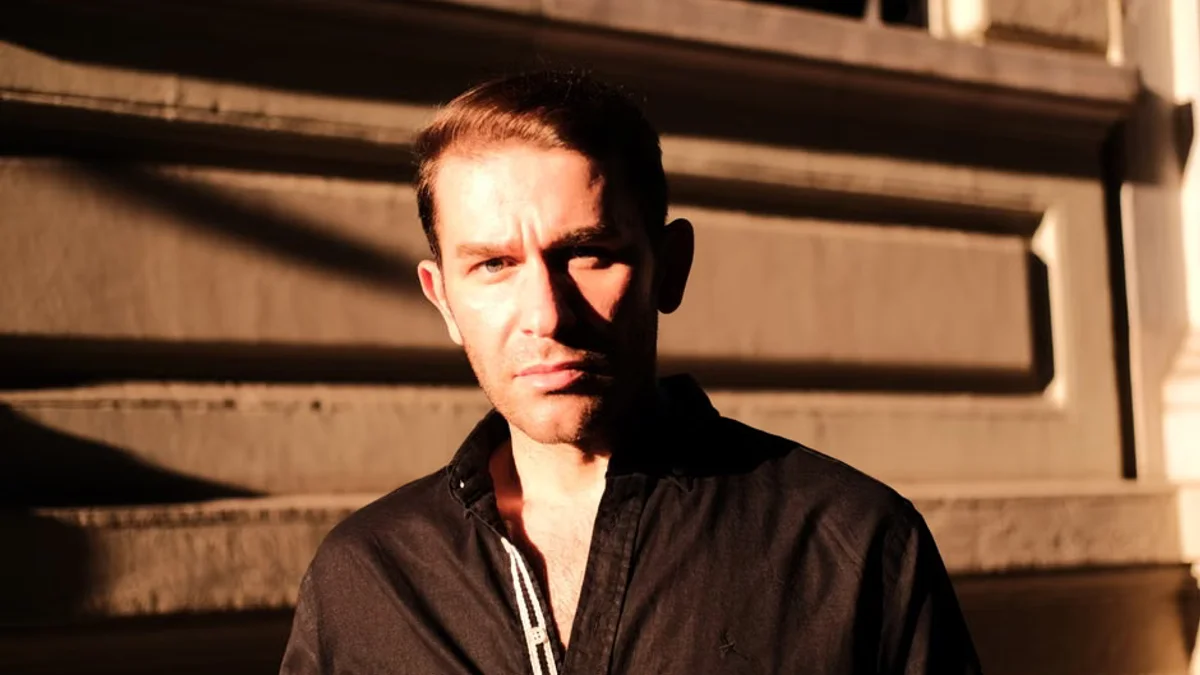

A fresh wave of political polarization has gripped public discourse following a controversial statement issued by prominent political figure Zohran Mamdani on the anniversary of the October 7 attacks. By focusing the core of his message heavily on the plight and historical suffering of Palestinians, Mamdani drew immediate and fierce condemnation from bipartisan political opponents and advocacy groups.
Critics argued that framing the solemn anniversary predominantly through the lens of Gazan casualties deliberately minimizes the atrocities committed against Israeli citizens during the initial Hamas assault. Condemnations poured in from legislative colleagues and civic organizations, who asserted that public leaders have a moral obligation to explicitly acknowledge the terror inflicted on Israeli victims before pivoting to broader geopolitical contexts.

Conversely, Mamdani’s defenders defended the statement, emphasizing that addressing ongoing humanitarian crises, systemic displacement, and civilian casualties in the West Bank and Gaza is essential for achieving a comprehensive understanding of the conflict. The episode underscores the deep fracture lines within contemporary political discourse regarding how public figures articulate historical empathy, navigate diplomatic sensitivities, and address ongoing Middle East hostilities.
Key Highlights
- Zohran Mamdani faces intense bipartisan backlash over his October 7 anniversary statement.
- Critics accuse the statement of failing to adequately acknowledge Israeli victims of terror.
- Defenders emphasize the necessity of highlighting civilian casualties and humanitarian concerns in Gaza.
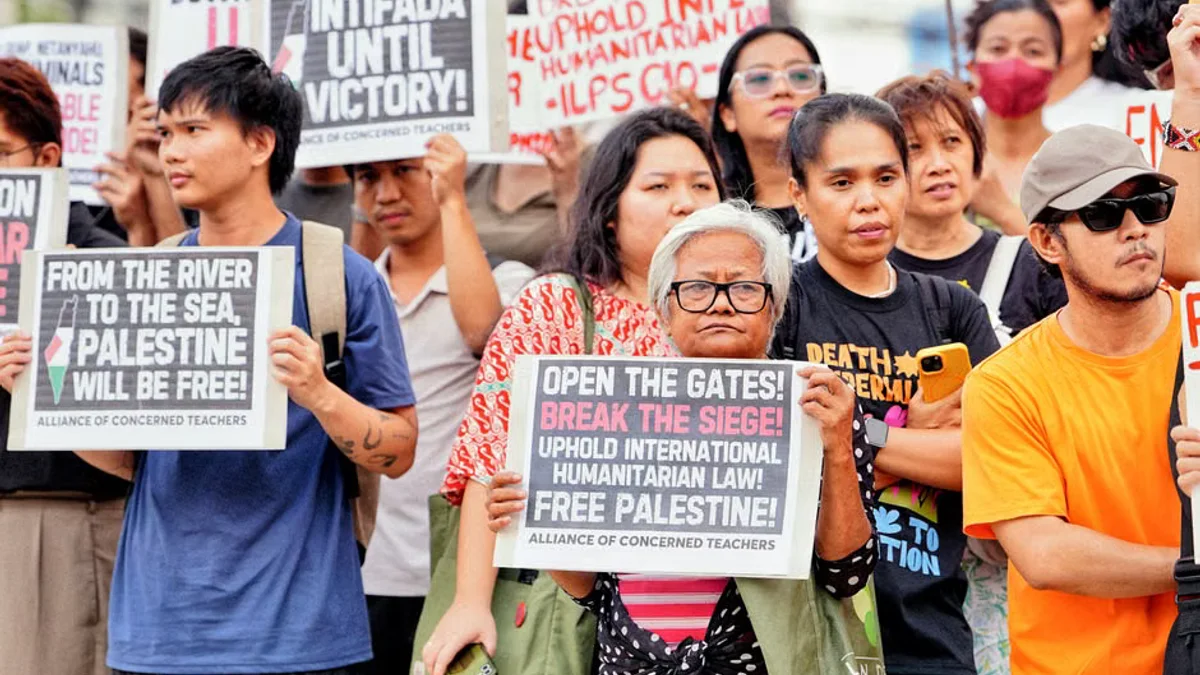
As political fallout continues to unfold, the controversy highlights the profound difficulty public figures face in balancing competing narratives surrounding the enduring Middle East conflict.