BELFAST — The Democratic Unionist Party (DUP), one of Northern Ireland's principal unionist political factions, is currently engaged in intensive internal deliberations regarding its strategic approach to the region's devolved power-sharing administration. Senior party figures are weighing pragmatic governance responsibilities against foundational unionist principles concerning trade borders and constitutional integrity within the United Kingdom.
The discussions follow months of evolving political realignment after the DUP's return to Stormont institutions earlier this year. Party leadership has faced contrasting pressures from grassroots members seeking stringent safeguards against post-Brexit trade arrangements and moderate factions advocating for constructive engagement within the executive to deliver public services and economic development for Northern Ireland citizens.
Political observers in Belfast note that maintaining internal unity remains paramount for DUP leader Gavin Robinson as the party prepares for upcoming electoral cycles. Opposing nationalist parties, including Sinn Féin, have emphasized the necessity of stable, collaborative governance to address healthcare backlogs and infrastructure deficits across the region. Meanwhile, UK government officials in Westminster continue to monitor the political climate closely to ensure the longevity of the Windsor Framework agreements.
As internal conferences progress, the DUP's strategic decisions will heavily influence Northern Ireland's political trajectory, testing the resilience of the Good Friday Agreement framework in a post-Brexit geopolitical landscape.
Key Highlights
- Northern Ireland's DUP holds internal discussions on power-sharing governance strategy.
- Leadership balances grassroots unionist concerns with practical executive responsibilities.
- Stability at Stormont remains crucial for regional public services and economic planning.
- Westminster monitors developments to ensure ongoing implementation of post-Brexit accords.
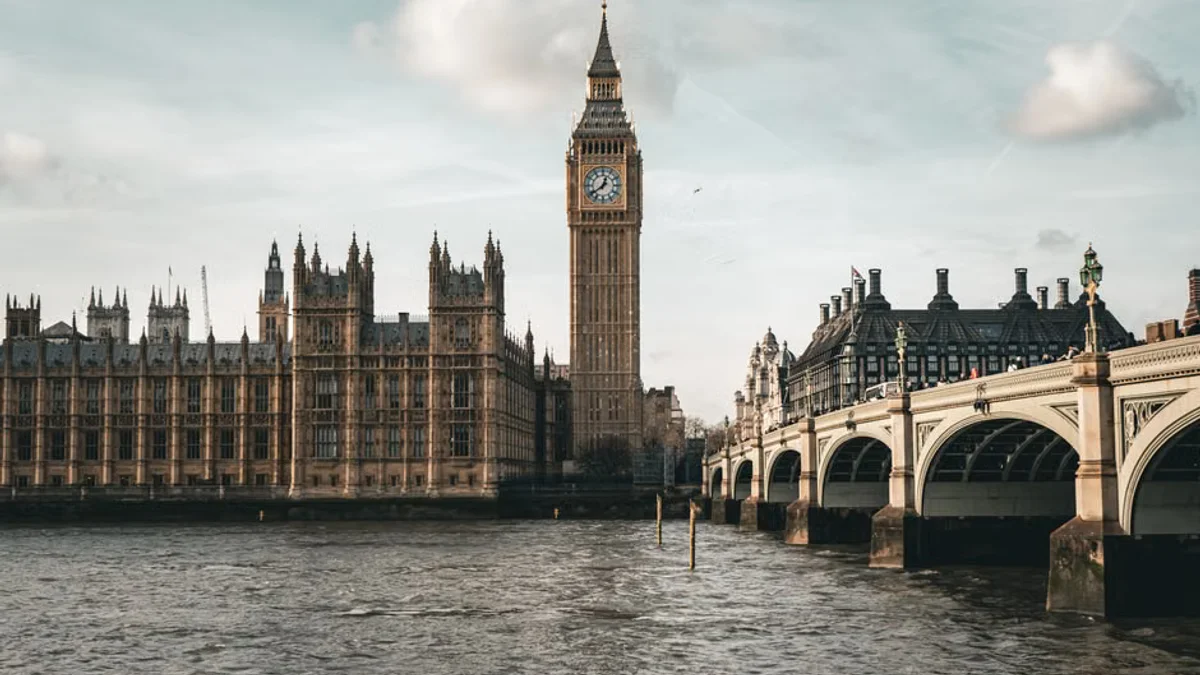
The DUP's navigational challenges reflect the enduring complexities of identity, governance, and trade within Northern Ireland's unique political ecosystem.