
Global weather experts have issued urgent warnings regarding the profound and destructive consequences of a record-breaking El Niño cycle. The climate phenomenon, characterized by unusually warm ocean surface temperatures in the central and eastern tropical Pacific, has accelerated extreme weather events across multiple continents, impacting agriculture, marine ecosystems, and infrastructure.
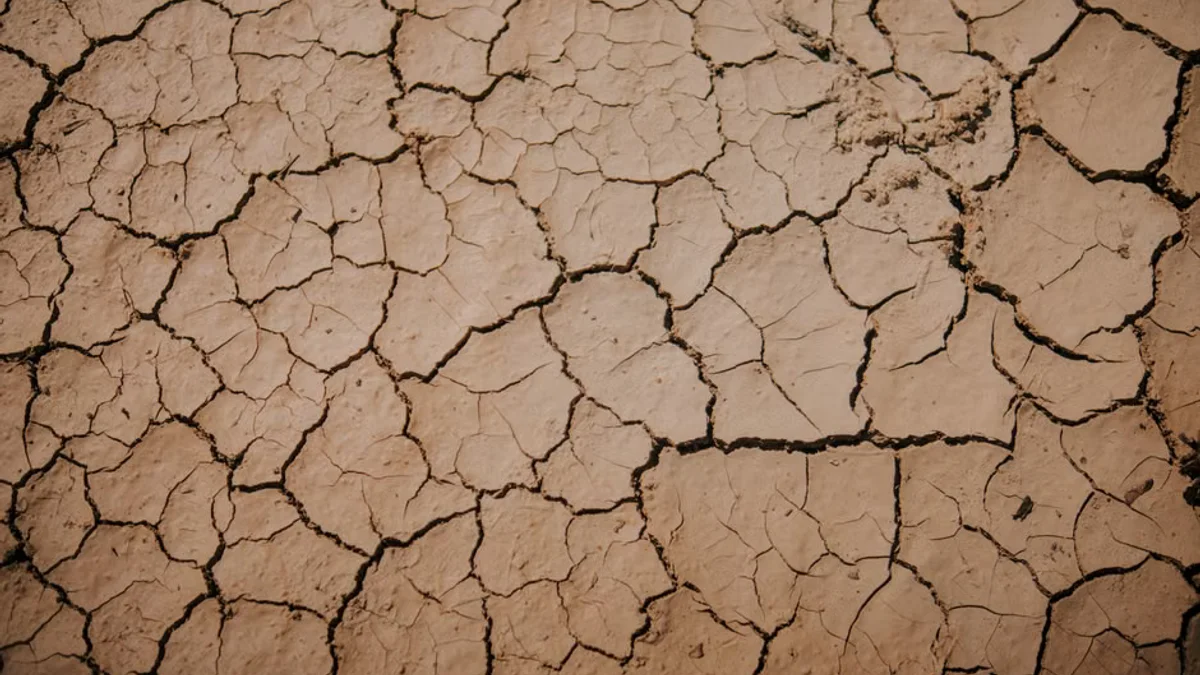
International meteorological organizations note that the compounding effects of El Niño, interacting with long-term anthropogenic climate change, have driven global temperatures to unprecedented highs. Regions spanning Southeast Asia, Latin America, and parts of sub-Saharan Africa are currently experiencing severe drought conditions, threatening food security and regional water supplies. Conversely, torrential rainfall and catastrophic flooding have struck coastal communities elsewhere.

Economic analysts project that the agricultural disruptions caused by the weather cycle will drive up commodity prices globally, adding inflationary pressures to food markets already strained by geopolitical conflicts and supply chain vulnerabilities. Governments and disaster relief agencies are ramping up preparedness initiatives to mitigate potential humanitarian crises in vulnerable developing nations.
Climate scientists reiterate that transitioning away from fossil fuels and enhancing climate resilience infrastructure are imperative to cope with the increasing frequency and intensity of extreme climate cycles in the decades ahead.
Key Highlights
- Record-breaking El Niño cycle drives extreme global weather patterns and heat records.
- Severe droughts and floods threaten agricultural yields and global food security.
- Experts emphasize the urgent need for climate adaptation and mitigation strategies.

The severity of the current El Niño serves as a stark reminder of the fragile equilibrium governing Earth's climate systems.