
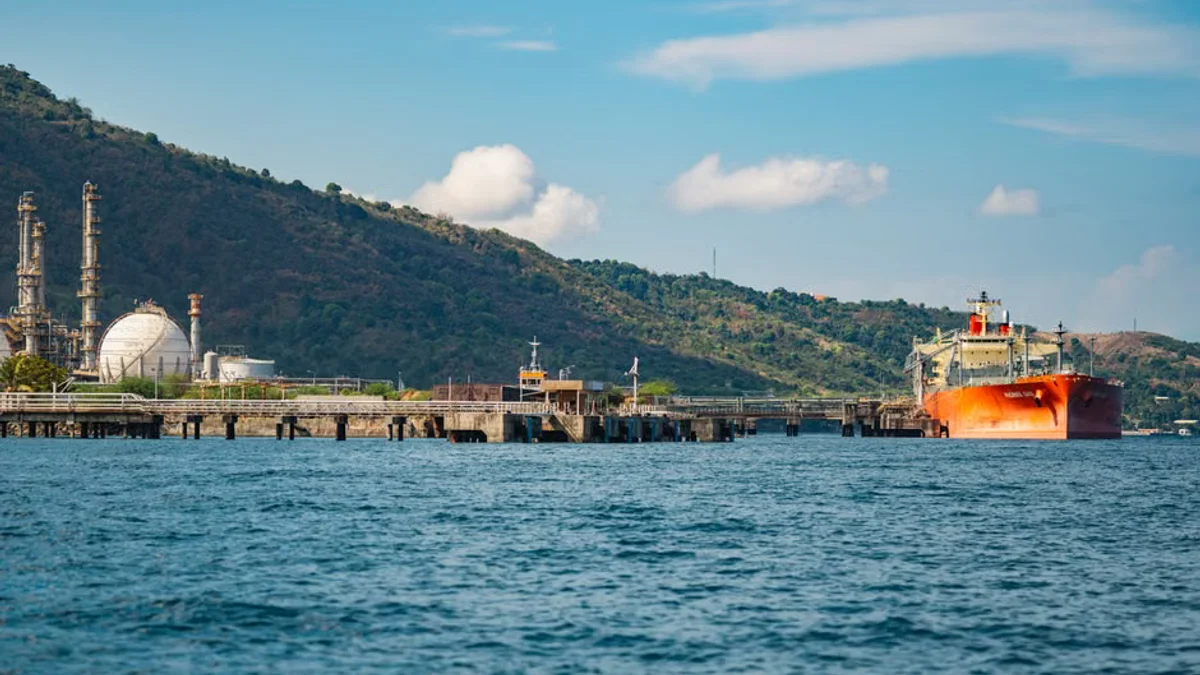
LONDON/SINGAPORE — Maritime security sources and intelligence agencies confirmed on Wednesday that attacks on commercial oil and chemical tankers navigating the critical Strait of Hormuz have spiked to the highest weekly level recorded since the onset of the Iran conflict. The dramatic escalation in maritime strikes has alarmed international shipping insurers, prompting several major carriers to suspend transit through the narrow chokepoint, through which a fifth of the world's petroleum passes.
According to reports compiled by regional naval patrols and private security firms, at least six vessels have sustained structural damage from uncrewed surface vessels and projectile strikes over the past seven days. While coalition naval forces operating in the region have successfully intercepted several incoming threats, the sheer volume of asymmetric assaults has overwhelmed standard defensive escorts, leaving commercial operators exposed.

'The operational risk profile in the Persian Gulf and the Gulf of Oman has deteriorated beyond tolerable thresholds for standard commercial shipping,' noted Marcus Chen, chief maritime risk analyst at Lloyd's List Intelligence. 'We are witnessing a systematic campaign designed to disrupt global energy flows and exert maximum geopolitical leverage.'
Energy markets reacted swiftly to the news, with Brent crude futures surging over 4% in early trading as traders priced in potential long-term supply bottlenecks. Major economies, particularly in Asia and Europe, have called emergency consultations at the International Maritime Organization to formulate enhanced protective measures and ensure the uninterrupted flow of global energy supplies.
Key Highlights
- Tanker attacks in the Strait of Hormuz reach weekly record highs.
- Major shipping lines suspend transit due to escalating security risks.
- Global crude oil prices surge in response to potential supply disruptions.

Without an immediate diplomatic breakthrough or a decisive enhancement of maritime security escorts, the crisis in the Strait of Hormuz threatens to destabilize global energy markets and push inflation higher across developed and developing economies alike.