
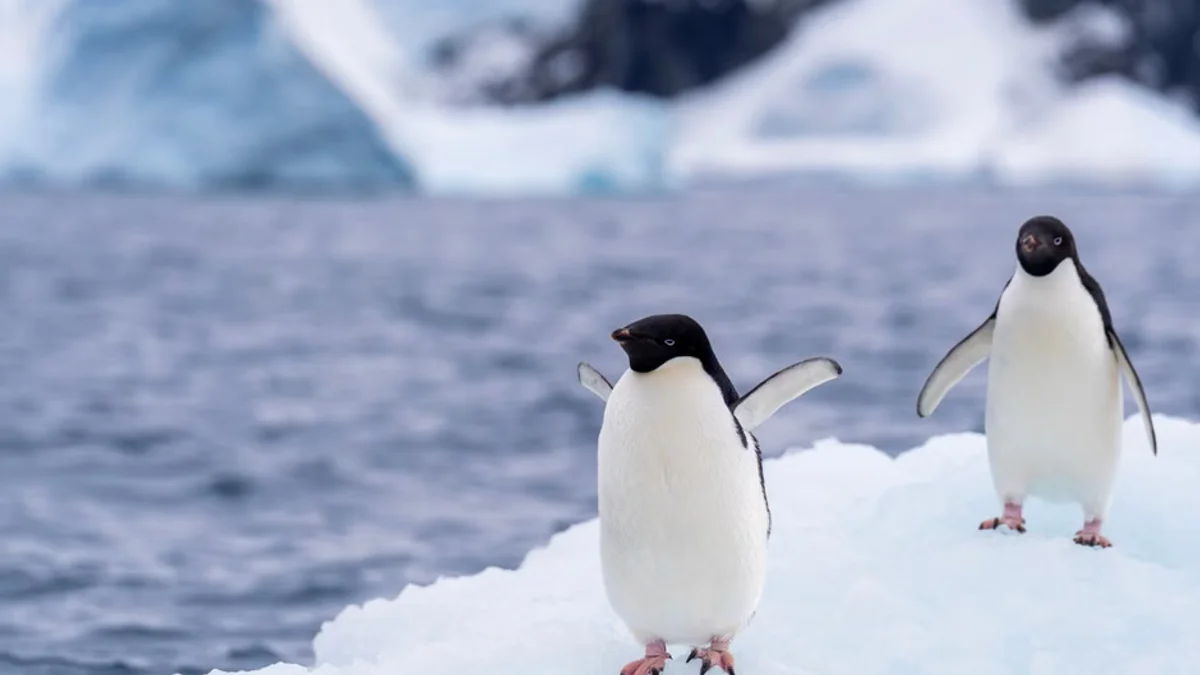
Marine biologists and environmental researchers have sounded the alarm following the documentation of an enormous population crash within the world's largest penguin colony. Satellite imagery and field expeditions revealed catastrophic breeding failures and adult mortality rates that far exceed historical baseline fluctuations, pointing to severe systemic stress within sub-Antarctic marine ecosystems.
The primary driver behind the collapse is believed to be rapid climate disruption affecting sea ice distribution and krill availability—the foundational dietary staple for the species. As ocean temperatures rise and weather patterns become increasingly erratic, adult penguins are forced to travel vast, exhausting distances to forage for food, often returning empty-handed to starving chicks.

Conservation organizations are calling for immediate international policy interventions to safeguard fragile polar sanctuaries, enforce stricter overfishing limits, and commit to aggressive global carbon emission reductions. Polar researchers emphasize that penguins serve as critical bio-indicators for the overall health of Southern Ocean ecosystems; their rapid decline signals a broader unraveling of marine biodiversity that will ultimately impact global fish stocks and ocean chemistry.
Governments and international bodies are facing renewed pressure to translate scientific warnings into binding environmental protections before critical ecological tipping points are permanently breached across the polar regions.
Key Highlights
- The world's largest penguin colony has experienced an unprecedented population crash.
- Warming ocean temperatures and diminished krill supplies are driving the crisis.
- Scientists warn that penguins act as vital bio-indicators for global marine ecosystem health.

This ecological disaster underscores the urgent necessity of coordinated global climate action to protect vulnerable wildlife habitats.