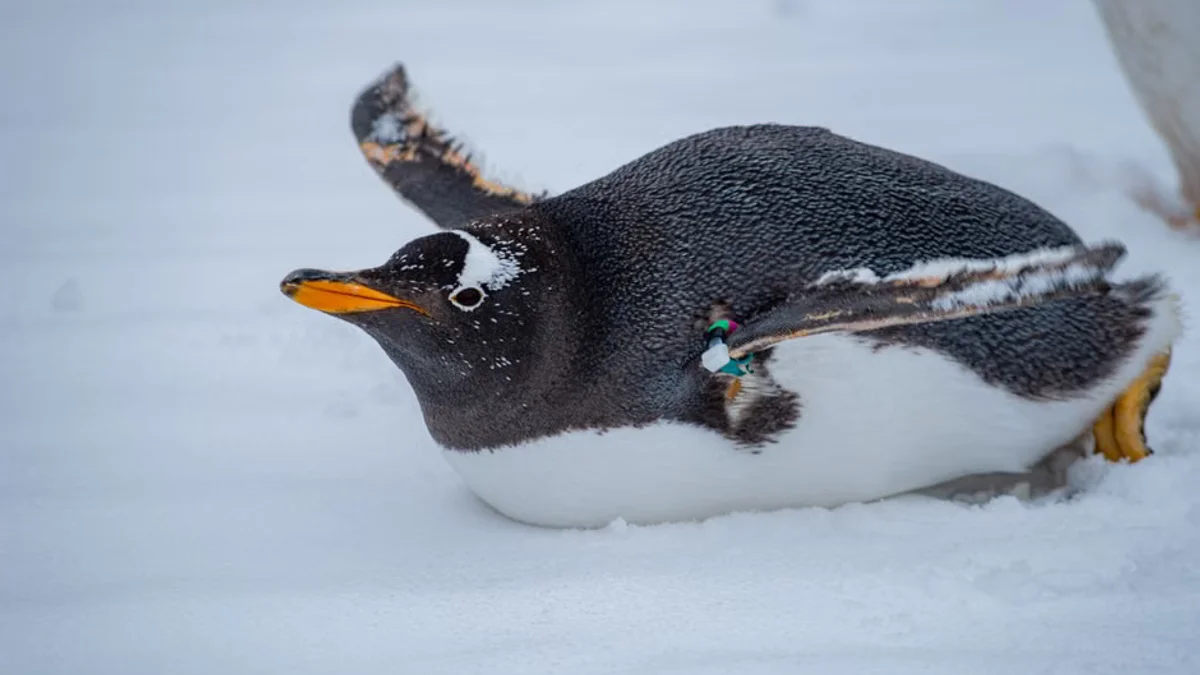
Environmental researchers and marine biologists have raised urgent alarms following comprehensive field surveys revealing a catastrophic drop in the population of the world's largest penguin colony. The startling decline points to deeper, systemic ecological disruptions occurring within fragile polar and sub-polar ecosystems.
Scientific teams tracking the colony noted that warming ocean temperatures, altered sea-ice patterns, and commercial overfishing have severely impacted the availability of krill and small fish—the primary dietary staples for the seabirds. Without adequate sustenance, breeding success rates have plummeted dramatically over successive seasons.

Conservationists are calling for immediate international policy measures to bolster marine protected areas and mitigate the accelerating impacts of climate change. Without robust global intervention, experts warn that iconic species inhabiting these remote regions face a perilous future of irreversible extinction.
Key Highlights
- World's largest penguin colony records an alarming population drop.
- Researchers link the decline to climate change and food scarcity.
- Conservationists urge stronger marine protection and international action.

The plight of these colonies serves as an urgent barometer for the health of global marine environments, underscoring the interconnectedness of planetary ecosystems.