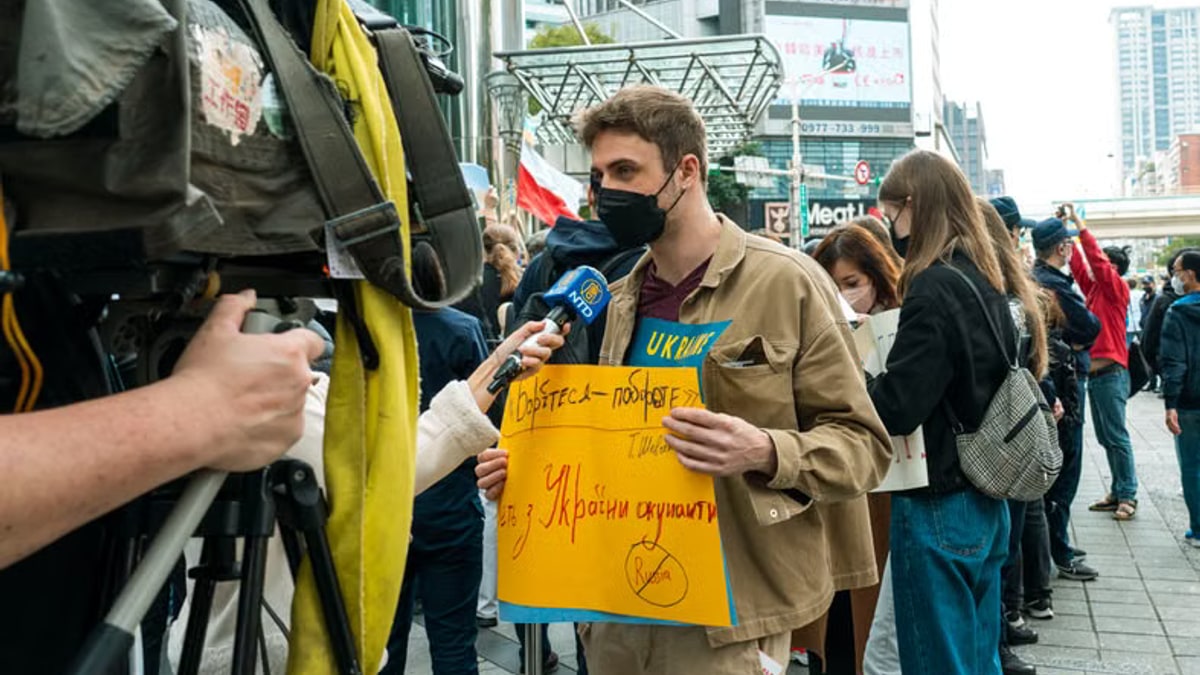
Ukrainian President Volodymyr Zelenskyy made an urgent appearance at the European Union summit in Brussels, pressing European heads of state to accelerate the delivery of critical military supplies, air defense systems, and financial assistance. Addressing the European Council, Zelenskyy warned that delays in ammunition production and political bottlenecks in allied capitals directly jeopardize frontline defense capabilities as Russian forces intensify offensive operations across eastern Ukraine.
The summit in Brussels serves as a crucial diplomatic nexus for evaluating the bloc's long-term strategic commitments to Kyiv. European Commission President Ursula von der Leyen and European Council President António Costa reaffirmed their unwavering support, discussing mechanisms to utilize frozen Russian sovereign assets to finance Ukraine's defense reconstruction and munitions procurement. However, consensus among member states remains delicate, with certain nations raising concerns regarding fiscal constraints and the broader economic fallout of prolonged conflict.
Diplomatic analysts emphasize that the Brussels discussions extend beyond immediate battlefield requirements, touching upon the structural framework of European defense autonomy and Ukraine's ongoing integration path into the EU. As geopolitical tensions escalate, European leaders face mounting pressure to translate rhetorical solidarity into tangible, expedited military industrial output to secure the continent's eastern flank.
Key Highlights
- President Zelenskyy urges EU leaders to expedite air defense systems and ammunition deliveries.
- Discussions focus on leveraging frozen Russian assets to fund Ukrainian defense and reconstruction.
- Member states debate the mechanics of long-term European defense integration and security guarantees.
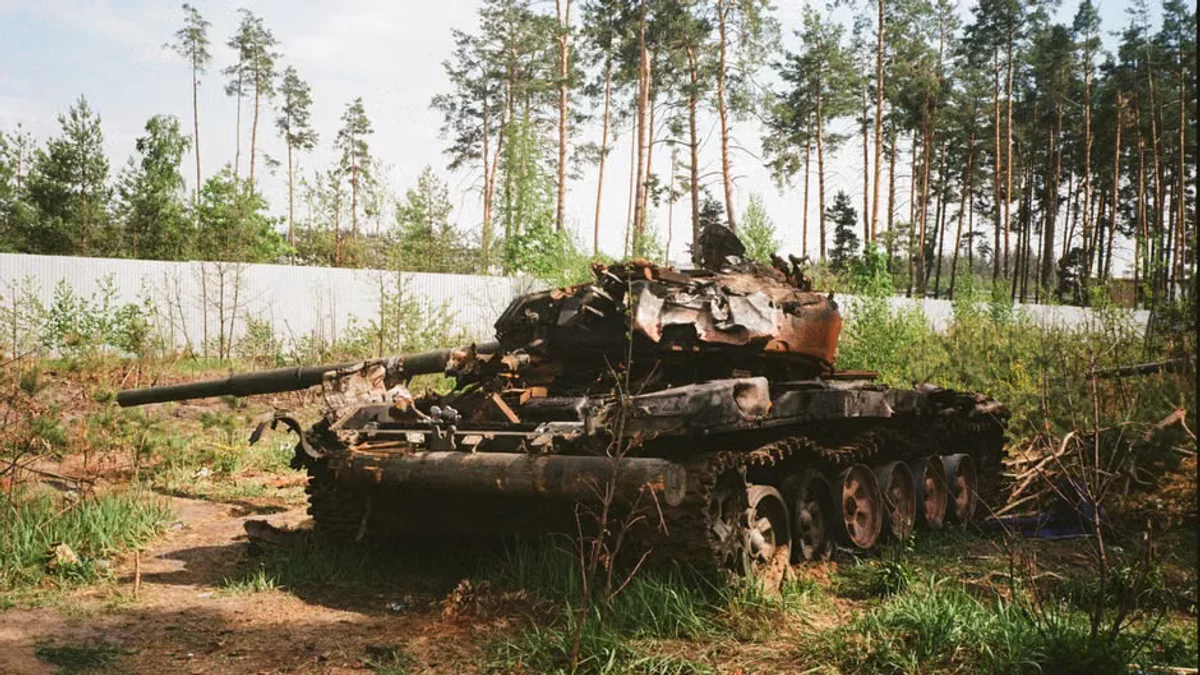
- Geopolitical urgency mounts amid intensifying frontline engagements in eastern Ukraine.

The Brussels summit underscores the fragile equilibrium of European security architecture, requiring decisive collective action to safeguard stability and deter future aggression on the continent.