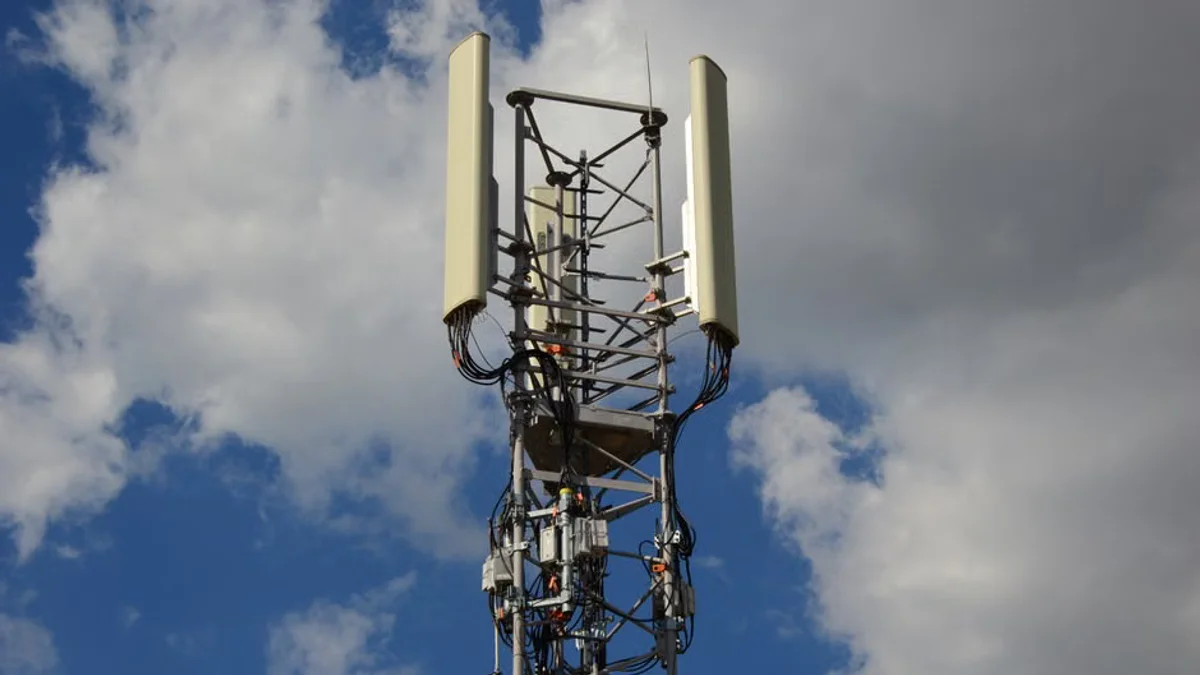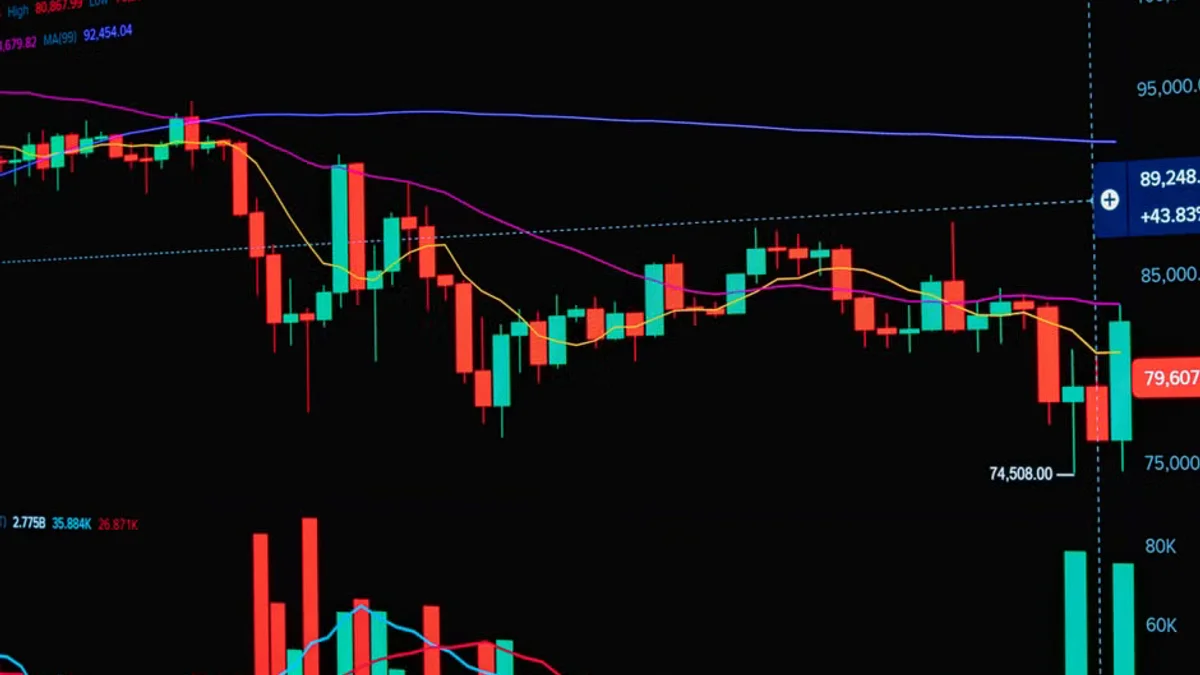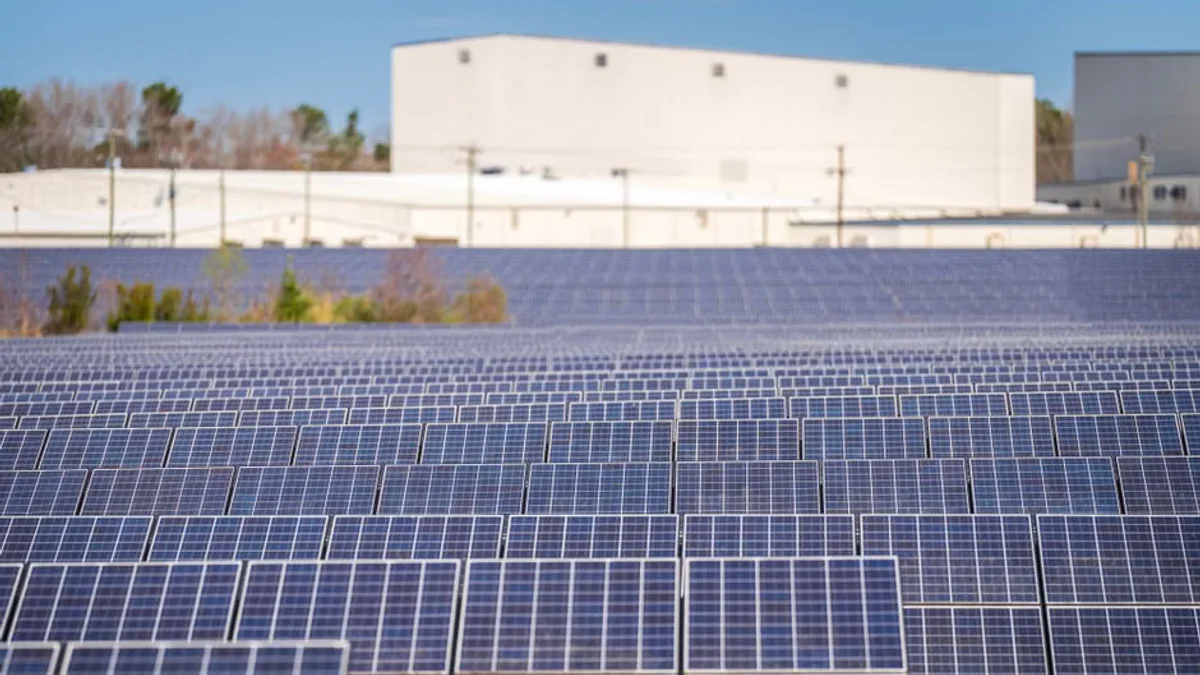
In a move set to further reshape global supply chains and geopolitical dynamics, regulatory bodies in Beijing are reportedly considering comprehensive export bans on critical technologies, including advanced artificial intelligence algorithms, biotechnology applications, and proprietary solar power manufacturing machinery. The proposed regulations aim to safeguard domestic industrial advantages amid escalating trade tensions with Western economies.
Trade policy experts note that China holds dominant market shares in several segments of the green energy and biotech sectors, particularly in photovoltaic wafer production and rare-earth processing equipment. Restricting outbound technology transfers would serve as a powerful retaliatory and defensive instrument in an era defined by technological decoupling and economic nationalism.
International industry associations have expressed deep concern over the potential fallout for global renewable energy deployment and pharmaceutical supply stability. Multinational corporations operating within the affected sectors are currently auditing their supply chains to prepare for potential compliance hurdles and procurement bottlenecks.
As diplomatic channels navigate these mounting friction points, the prospective export controls underscore how technology has firmly established itself as the primary battleground for global superpower competition.
Key Highlights
- Beijing evaluates export bans on AI, biotech, and solar manufacturing tech.
- Move aims to protect domestic industrial leadership amid trade frictions.
- Global supply chains face potential disruptions in renewable energy sectors.
- Multinational corporations audit procurement channels in anticipation.
The tightening regulatory framework signals that technological self-reliance and strategic export controls will remain central tenets of international commerce for the foreseeable future.