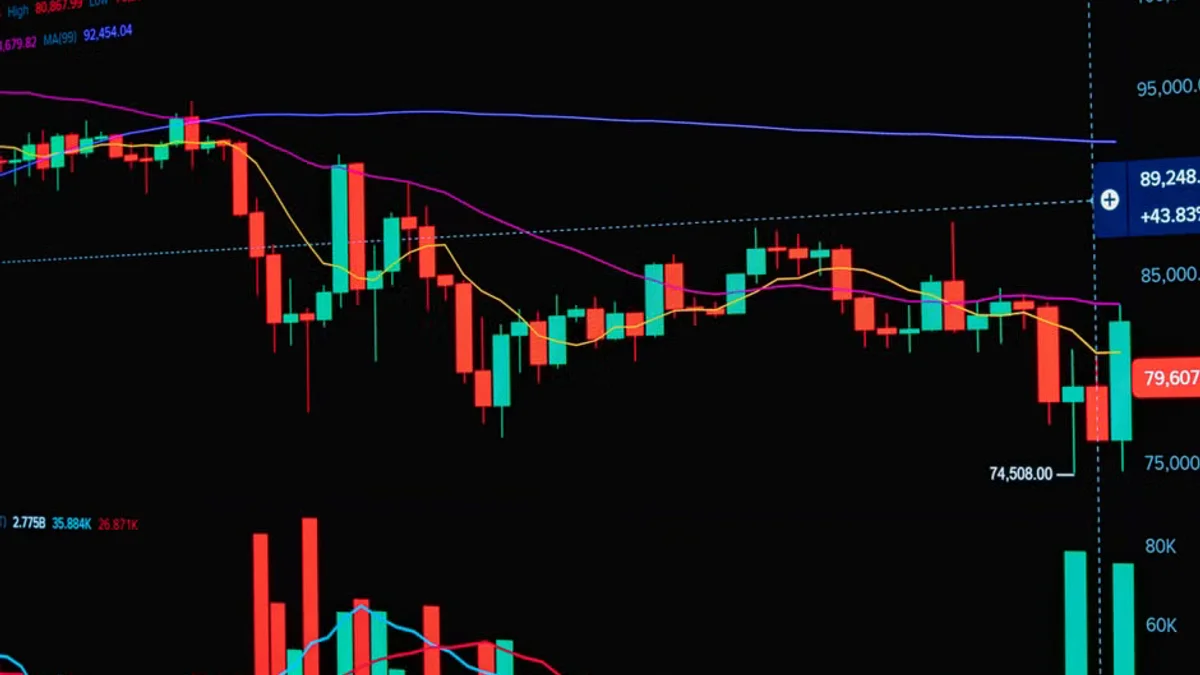
Wall Street futures experienced a volatile session as the Dow Jones Industrial Average slid more than 300 points, dragged down by a relentless climb in Treasury yields and a staggering 5% surge in global crude oil prices. The macroeconomic cocktail of rising energy costs and elevated borrowing rates has reignited inflation fears among institutional investors, prompting a decisive flight to safety across major asset classes.
The sharp uptick in oil prices is directly linked to escalating geopolitical anxieties in the Middle East, threatening critical supply routes and stoking fears of an extended energy crunch. Meanwhile, benchmark bond yields continued their upward march as market participants recalibrated their expectations for central bank monetary policy. Analysts suggest that resilient economic data, coupled with persistent inflationary pressures, may force policymakers to keep interest rates higher for longer than previously anticipated.

Technology and growth stocks, which are particularly sensitive to rising discount rates, bore the brunt of the pre-market sell-off. Defensive sectors such as utilities and consumer staples showed relative resilience, though broader market breadth remained decidedly negative. Portfolio managers are aggressively rebalancing holdings to hedge against potential stagflationary risks as commodity markets flash warning signs.
As trading floors digest the latest incoming data, all eyes remain fixed on forthcoming Federal Reserve commentary and energy inventory reports. The market's nervous reaction underscores the fragility of investor sentiment in an environment fraught with overlapping geopolitical and economic uncertainties.
Key Highlights
- Dow futures drop over 300 points amid mounting macroeconomic headwinds.
- Crude oil prices spike 5% due to intensifying Middle East geopolitical tensions.
- Treasury yields climb higher, forcing a reassessment of central bank interest rate paths.
- Investors retreat to defensive sectors as inflation fears re-emerge.
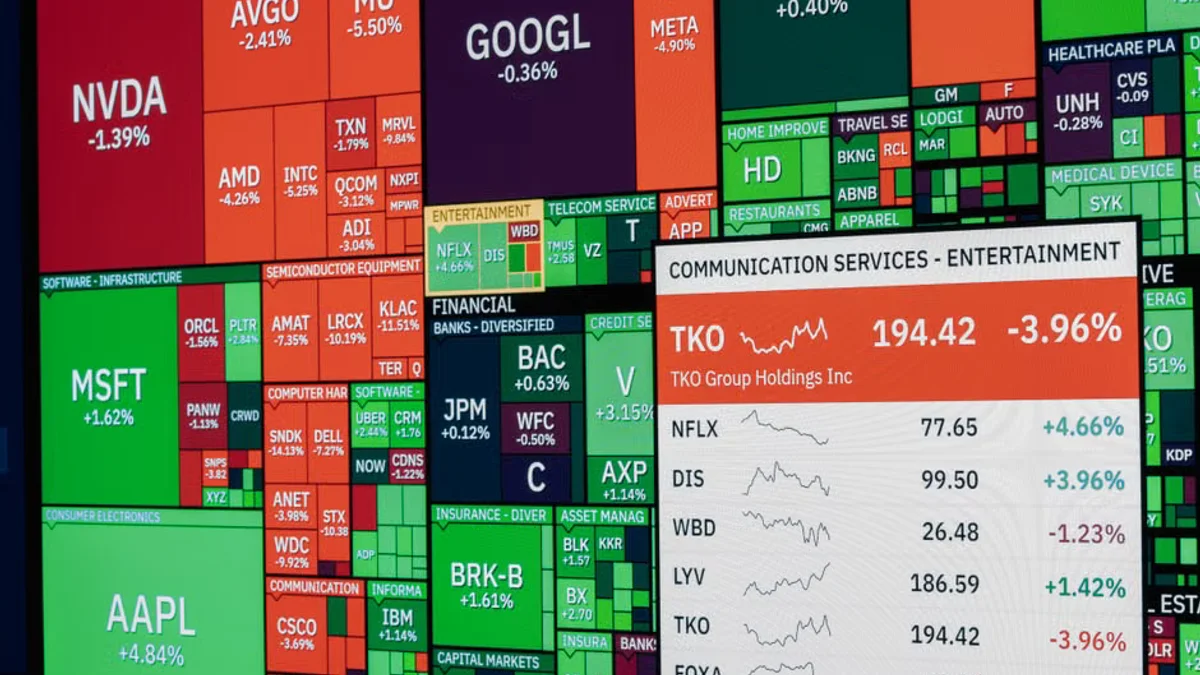
This latest market turbulence serves as a stark reminder that macroeconomic stability remains highly vulnerable to sudden energy shocks and shifting monetary policy expectations.