
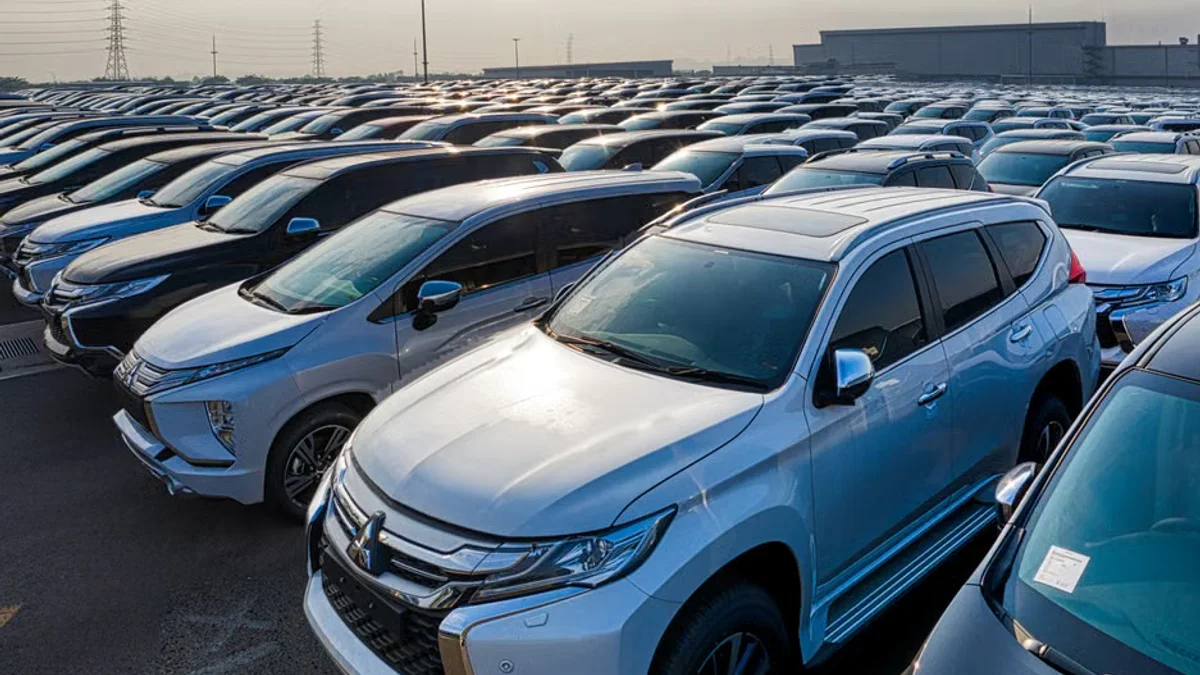
High-stakes trade negotiations between the European Union and the United Kingdom have intensified over proposed tariffs on electric vehicles (EVs) and battery components. Industry leaders on both sides of the English Channel have warned that failure to reach a pragmatic agreement could severely impact the competitiveness of European automotive manufacturing.
At the heart of the dispute are the stringent rules of origin requirements under the post-Brexit Trade and Cooperation Agreement. Manufacturers are urging officials to extend temporary exemptions, arguing that rapid scaling of domestic battery supply chains requires more time to avoid costly duties on vehicles shipped between the UK and EU member states.
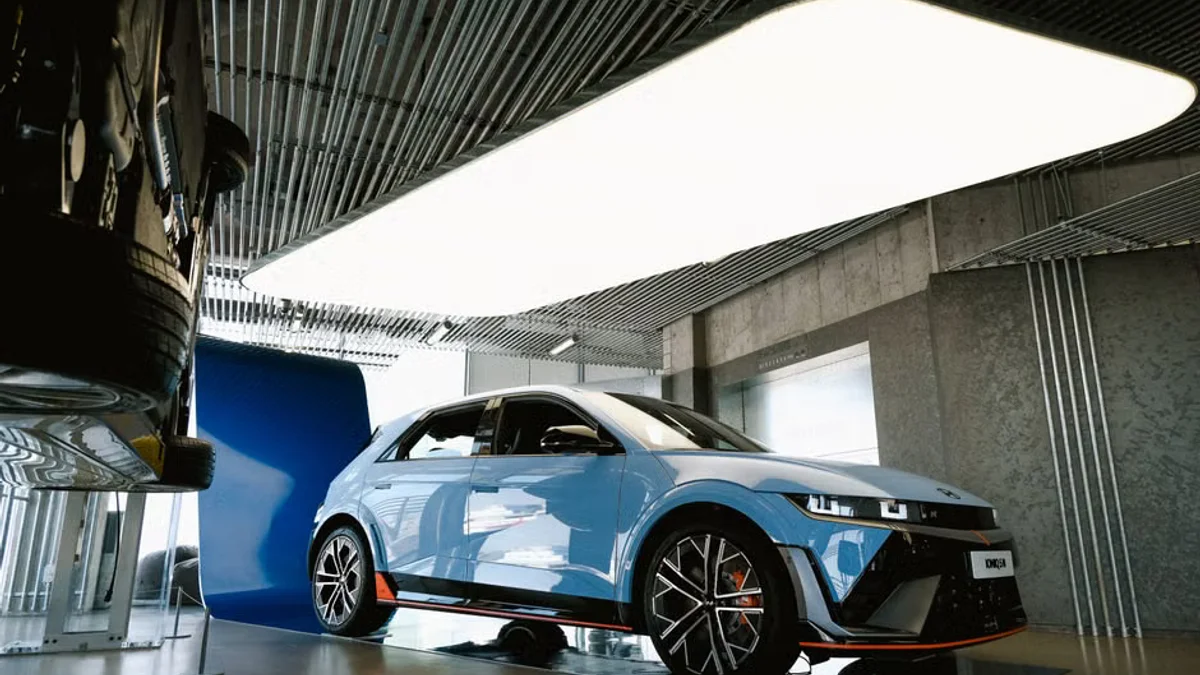
Economic analysts point out that as global competition from Asian EV manufacturers accelerates, transatlantic and cross-channel cooperation is more critical than ever. Policymakers are under immense pressure to strike a balance between environmental targets and industrial protectionism.
Key Highlights
- UK and EU trade officials hold urgent talks regarding EV tariffs.
- Automakers warn of severe supply chain disruptions without extended exemptions.
- Global competition highlights the necessity for cohesive regional manufacturing strategies.

The outcome of these negotiations will serve as a crucial test of post-Brexit regulatory alignment and economic cooperation between neighboring markets.