
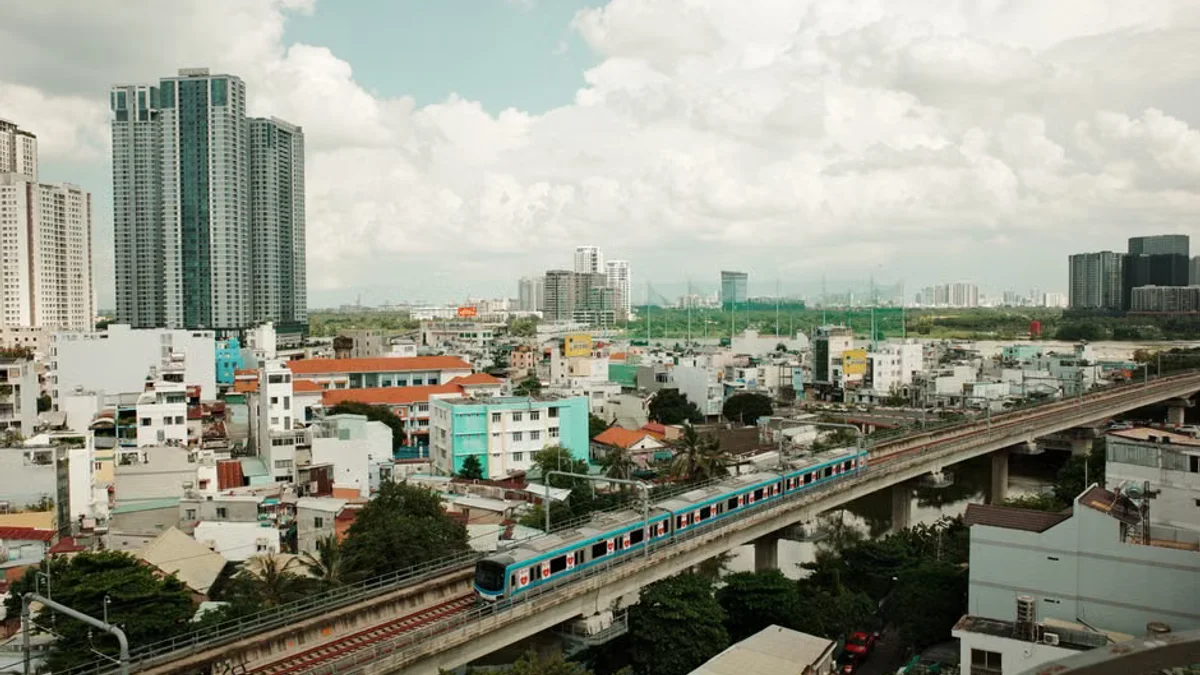
Laos is rapidly transforming its economic standing within Southeast Asia, shifting from a land-locked nation to a vital land-linked logistical hub for the Association of Southeast Asian Nations (ASEAN). Recent cross-border railway initiatives and highway expansions have drastically reduced transit times for goods moving between China, Thailand, Singapore, and regional markets.
International financial institutions have praised Vientiane’s commitment to regional trade integration, noting significant inflows of foreign direct investment into renewable energy, agricultural processing, and industrial manufacturing sectors. Hydroelectric power exports, in particular, have positioned Laos as a crucial clean energy supplier for neighboring economies.

Despite these economic gains, diplomats and economic advisors emphasize the need for continued structural reforms, debt management transparency, and workforce education to ensure sustainable long-term growth. Regional forums continue to highlight Laos as a prime example of how strategic infrastructure can bridge developmental gaps in emerging economies.
As ASEAN cooperation deepens, Laos's geopolitical significance continues to expand, offering unprecedented opportunities for international investors and regional trade partners alike.
Key Highlights
- Laos transforms from land-locked to land-linked via major railway and highway projects.
- Increased foreign investment flowing into renewable energy and manufacturing.
- ASEAN integration positions Laos as a key clean energy and logistics provider.

The nation's ongoing developmental trajectory signals a new chapter of economic integration and strategic importance in Southeast Asia.