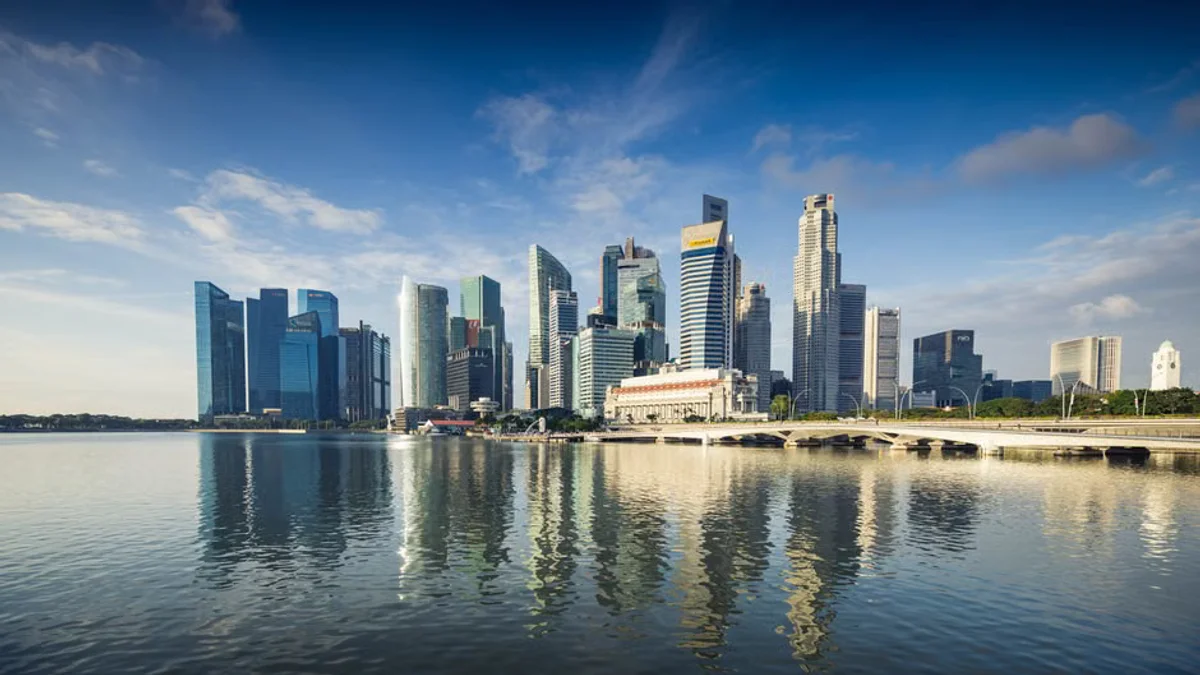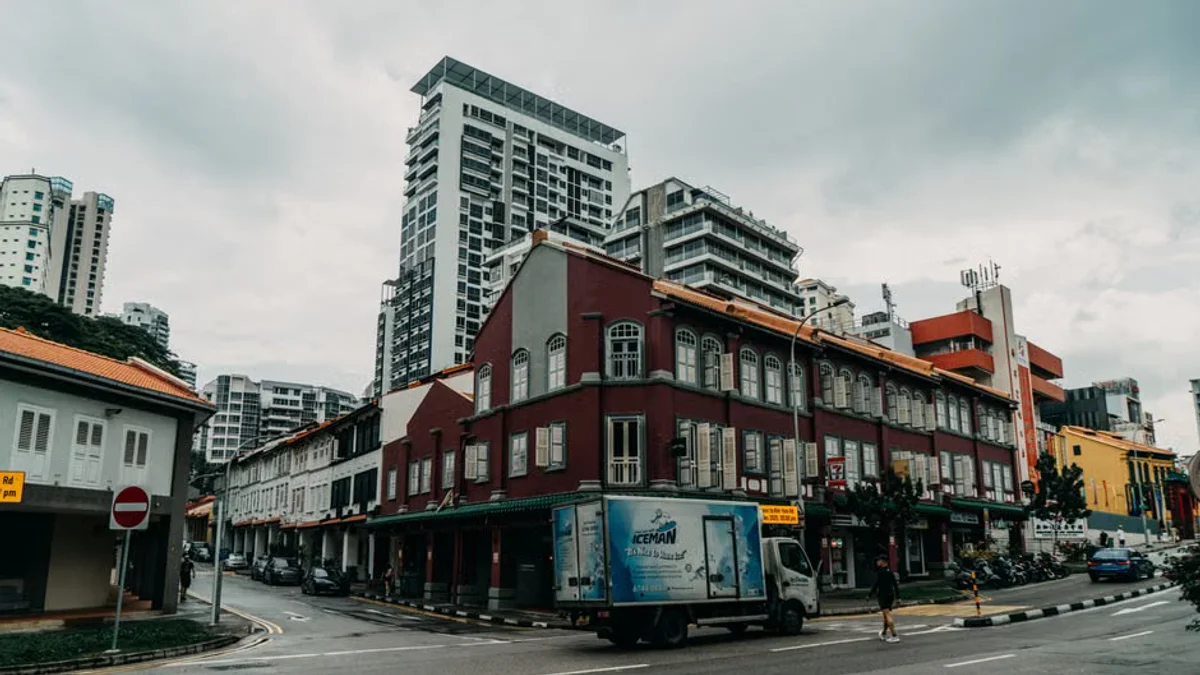
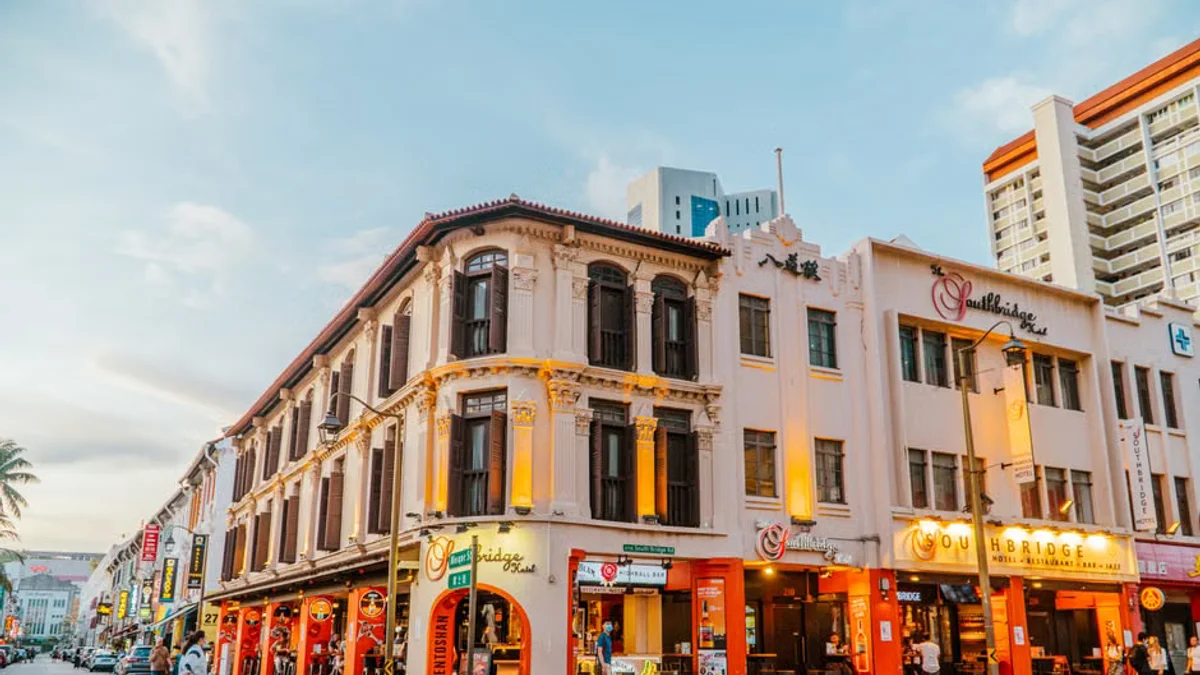
Singapore's dining landscape is undergoing a notable shift as prominent culinary institution Crystal Jade initiates strategic closures and operational restructuring across several of its local outlets. The decision has drawn significant attention from consumers and industry analysts alike, highlighting the escalating challenges faced by traditional dining establishments in major metropolitan hubs.
Market observers note that soaring rental costs, persistent labor shortages, and evolving consumer spending habits are compounding pressures on legacy food and beverage (F&B) operators. Despite maintaining a loyal customer base and a reputation for Michelin-recognized Cantonese cuisine, brands are increasingly forced to optimize their footprints to ensure long-term viability in a competitive market.
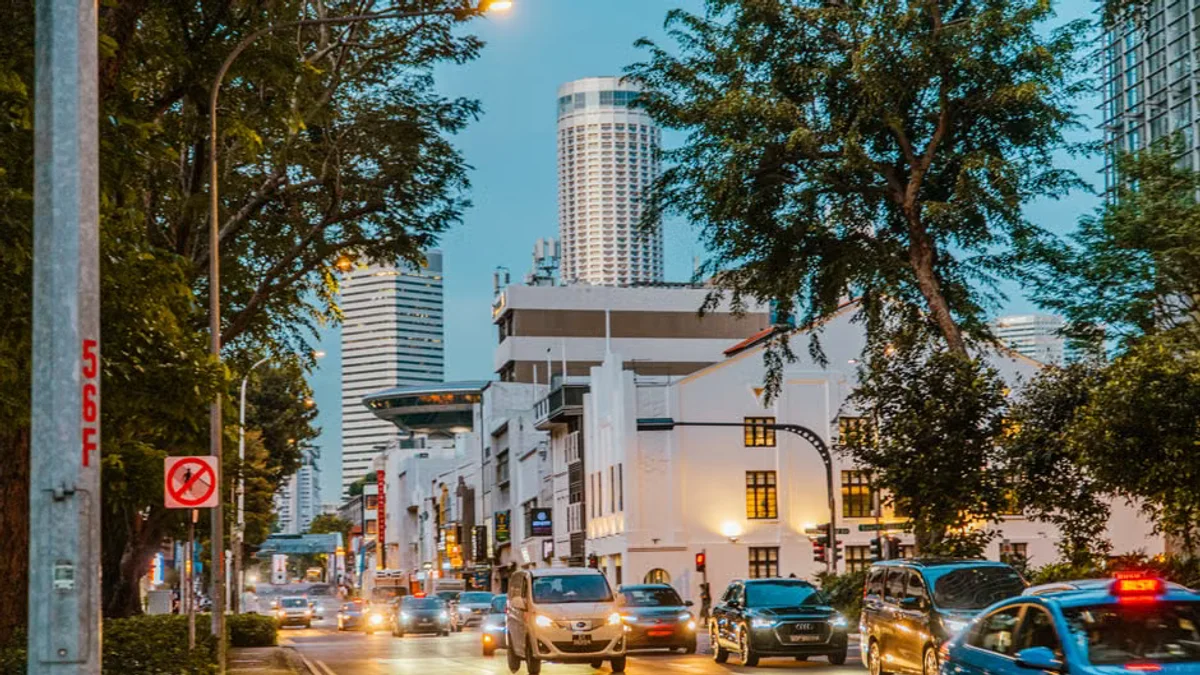
The restructuring underscores a broader trend sweeping Singapore's retail and hospitality sectors. As post-pandemic economic momentum stabilizes, businesses are re-evaluating profitability metrics, prompting a shift toward leaner operational models and digital integration. Industry associations emphasize that while high-profile closures create short-term uncertainty, they often pave the way for more resilient, modernized business models.
Key Highlights
- Crystal Jade undertakes strategic outlet optimization across Singapore.
- Rising operational costs and labor challenges drive F&B sector shifts.
- Industry analysts point toward increased digitization and leaner business models.

As the regional market continues to adapt, stakeholders will closely monitor how legacy brands balance heritage with modern economic realities to sustain consumer engagement.