WASHINGTON — Minutes from the Federal Reserve’s Federal Open Market Committee (FOMC) meeting, released Wednesday, show a decisive and united hawkish consensus among central bank officials in favor of the September interest rate hike. Despite growing political noise and conflicting economic signals, policymakers emphasized that defeating stubborn core inflation remains the absolute prerequisite for long-term macroeconomic stability.
The transcript details an extensive debate over labor market resilience and consumer spending durability. While a few participants acknowledged preliminary signs of cooling in wage growth, the dominant view among governors and regional bank presidents was that monetary policy had not yet reached a sufficiently restrictive stance to anchor inflation expectations firmly at the 2% target.

'The committee agreed that premature easing would risk unmooring inflation expectations, requiring an even more painful economic correction down the line,' the minutes stated. Officials underscored that interest rates would likely need to remain elevated for an extended duration until tangible, broad-based disinflation is firmly established across the services and housing sectors.
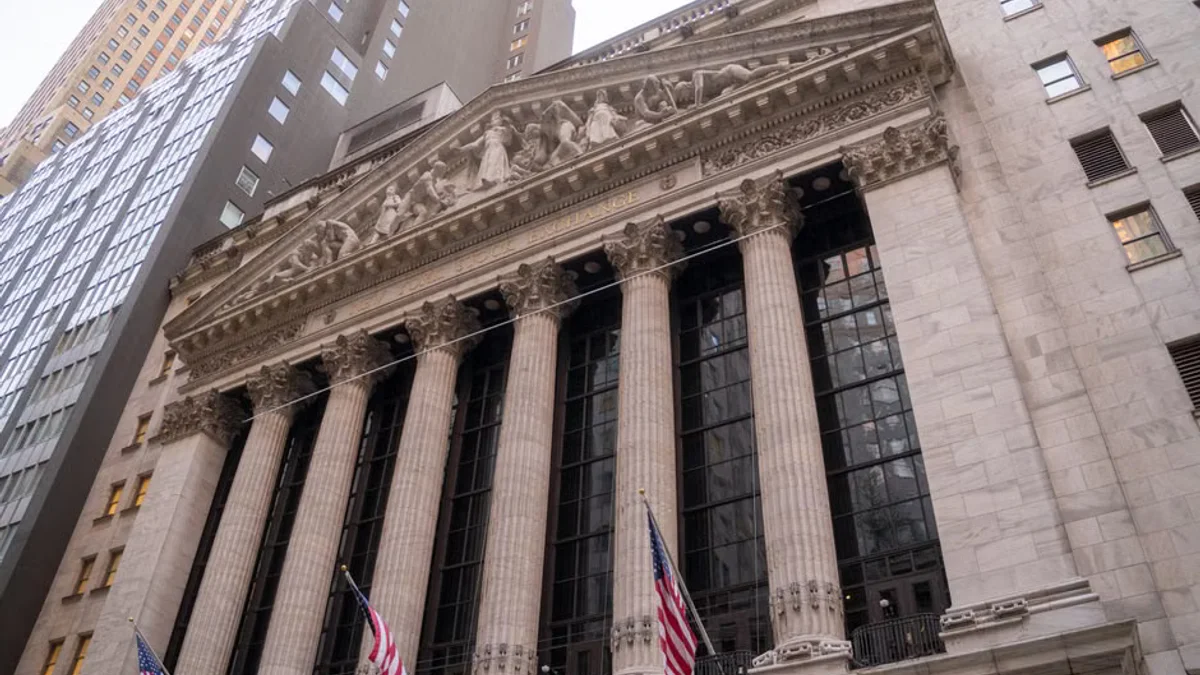
Wall Street equity indices retreated modestly following the publication, while Treasury yields climbed across the curve as fixed-income traders priced in the growing probability of additional tightening before the conclusion of the fiscal year. Economists noted that the clear communication reduces near-term policy ambiguity but heightens risks for interest-rate-sensitive industries such as real estate and automotive manufacturing.
Key Highlights
- FOMC minutes reveal broad agreement on the necessity of the September rate hike.
- Policymakers emphasize that interest rates will remain restrictive for longer.
- Wall Street markets adjust yields upward following the hawkish disclosures.

As the Federal Reserve navigates the delicate transition toward a soft landing, the latest disclosures confirm that central bankers are fully prepared to accept moderate economic friction to ensure the complete eradication of inflationary pressures.