
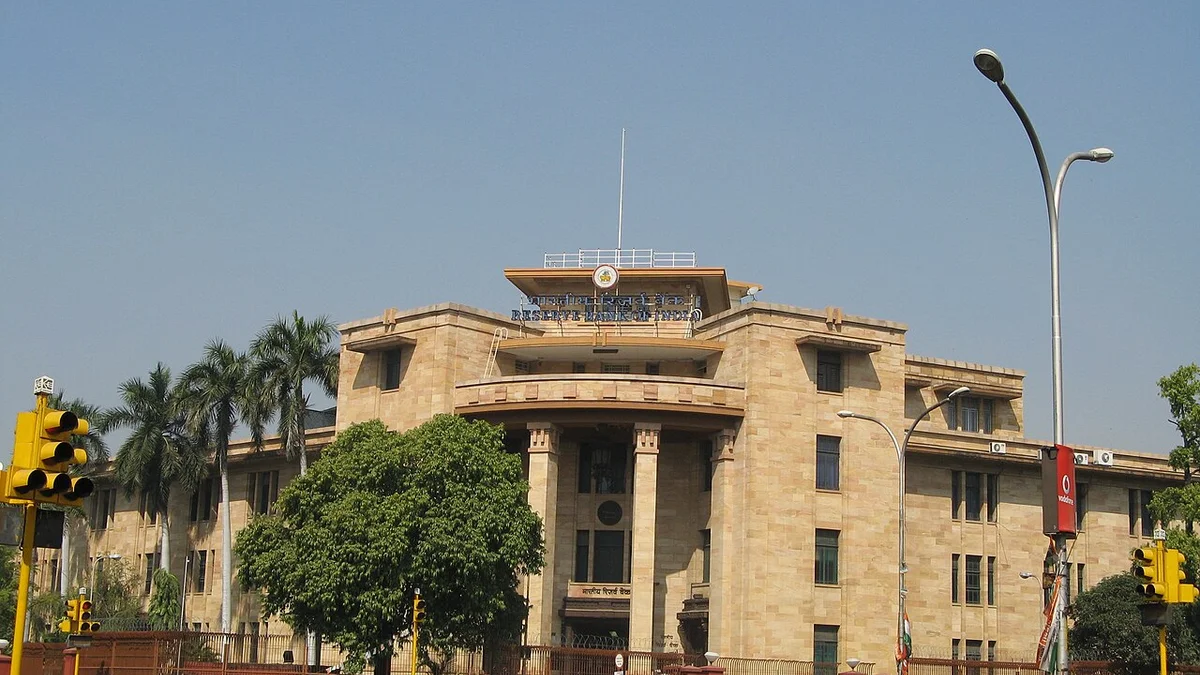
Following the Reserve Bank of India's (RBI) decision to increase the repo rate, floating-rate home loan borrowers are facing a major dilemma. Should they increase their monthly EMIs or extend their loan tenure? When loan costs rise due to policy rate revisions, lenders typically offer these two primary options, and making the wrong choice can lead to a heavy financial burden over the long run.

Higher EMI vs. Longer Tenure: What Should Borrowers Choose?
When floating-rate home loans become expensive, borrowers generally have two main paths: accept a higher monthly payment while keeping the original loan term intact, or keep the EMI relatively unchanged by extending the loan duration.
Financial experts suggest that for borrowers who can comfortably afford it, paying a higher EMI is generally the cheaper option. Extending the loan tenure significantly increases the total interest paid over the life of the loan. However, for households dealing with tight monthly budgets, a sudden spike in EMI can cause immediate distress, pushing many to opt for a longer tenure despite the long-term cost.
Breaking Down the Numbers: An Example
Consider a home loan of ₹40 lakh taken for 25 years at an interest rate of 7.5%, where the EMI is approximately ₹29,559. If the interest rate rises by 25 basis points to 7.75%, the EMI increases to about ₹30,213—an addition of roughly ₹654 per month.

If this higher interest rate remains unchanged for the entire 25-year tenure, the total interest payment jumps from roughly ₹48.68 lakh to ₹50.64 lakh, adding an extra ₹1.96 lakh to the interest burden. Opting to extend the tenure instead can inflate these overall costs even further.
Expert Advice and the Power of Pre-payments
BankBazaar CEO Adhil Shetty notes that how the interest rate revision impacts the borrower depends largely on the lending institution. Many lenders automatically extend the loan tenure to keep EMIs stable, which feels convenient initially but turns out to be very expensive over time.
Borrowers are advised to consult their lenders to understand how rate changes are applied and to consider making periodic pre-payments. Making small, regular prepayments every year can dramatically cut down the extra interest burden.
This financial analysis is for informational purposes only. Readers are advised to consult their banks or certified financial planners before making any major loan or investment decisions. 'The Freelance' assumes no responsibility for financial outcomes.






Business & Economy Desk, The Freelance
Verified Editorial DeskEconomy, Financial Markets & Consumer Affairs Team
Covering macroeconomics, equity markets, consumer finances, regulatory shifts, and digital economy trends with deep data-driven analysis. We are committed to unbiased, factual journalism based on verified agencies, official statements, and on-the-ground correspondents.