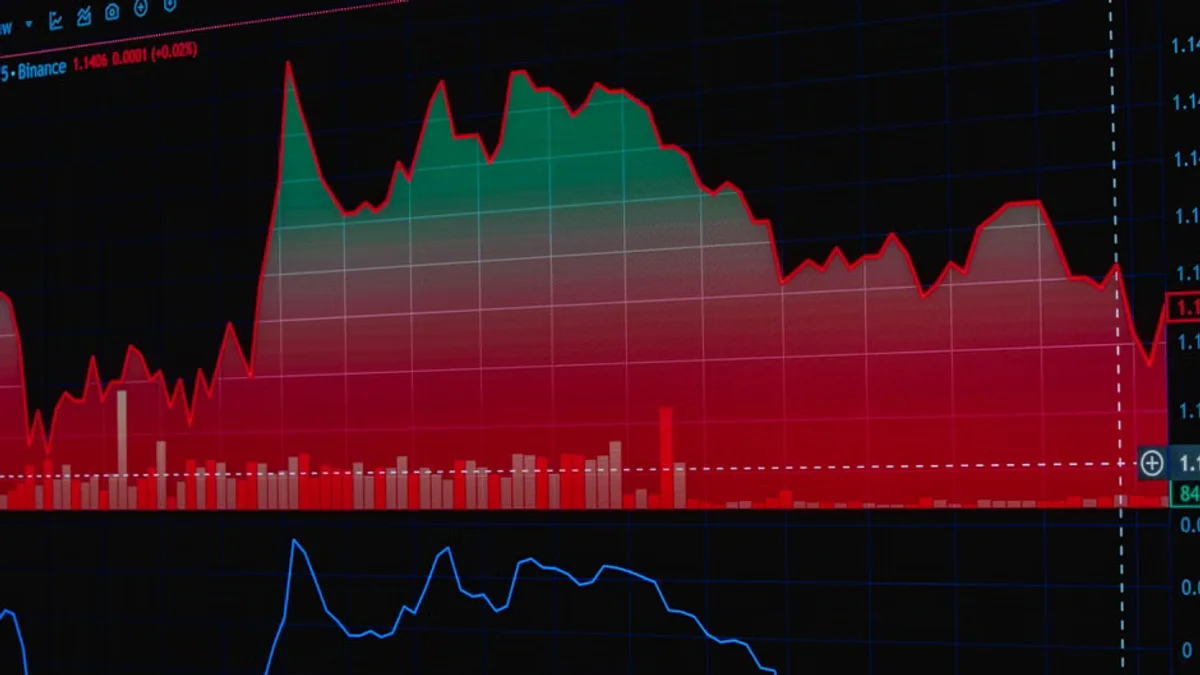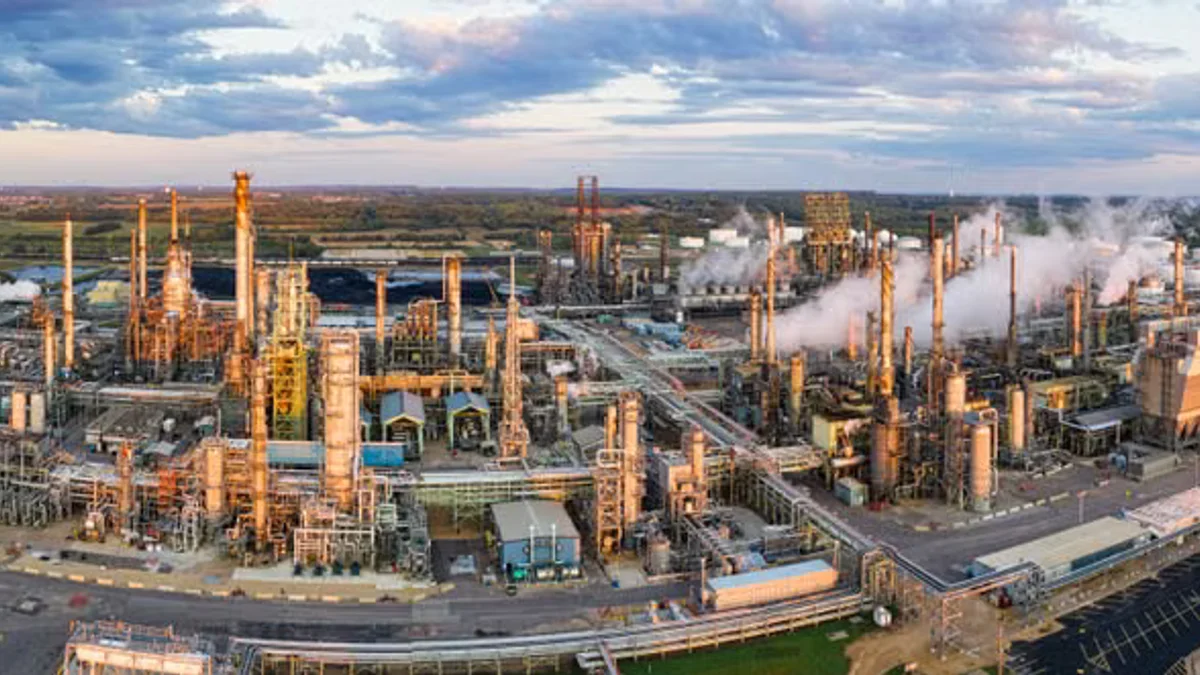
WASHINGTON/LONDON — The global energy architecture is facing its most profound stress test in decades as the widening military conflict involving Iran threatens critical maritime choke points and oil infrastructure across the Middle East. Energy analysts and geopolitical strategists warn that the extension of hostilities directly imperils the Strait of Hormuz, through which a massive percentage of the world's petroleum supply flows daily. The prospect of protracted supply disruptions has sent shockwaves through commodity exchanges, triggering sharp surges in crude oil and natural gas futures.
Major industrial economies, particularly across the European Union and Asia, are urgently reviewing contingency plans to secure alternative fuel supplies and mitigate potential economic fallout. Governments are assessing the readiness of strategic petroleum reserves while accelerating domestic transitions toward renewable energy and nuclear power. However, energy economists emphasize that no immediate short-term substitute exists to fully replace Middle Eastern hydrocarbons in the event of a catastrophic blockage of maritime transit routes.
Diplomatic channels are working overtime to prevent further escalation, with international mediators urging restraint among all belligerent parties. Despite these diplomatic efforts, military postures across the region remain highly volatile. Industrial sectors worldwide are bracing for sustained input cost inflation, which threatens to complicate central banks' efforts to tame lingering inflationary pressures and achieve a smooth economic soft landing.
As energy markets absorb the shifting geopolitical realities, long-term investments in energy security, grid diversification, and domestic resource extraction are receiving renewed policy priority. The crisis underscores the enduring vulnerability of globalized supply chains to regional geopolitical conflicts, prompting a fundamental rethinking of international trade and energy dependency.
Key Highlights
- The expanding Iran conflict threatens critical Middle Eastern oil transit corridors, including the Strait of Hormuz.
- Global crude and natural gas prices experienced significant upward pressure amid supply security fears.
- Industrialized nations are reviewing strategic petroleum reserves and alternative fuel import channels.
- The crisis reinforces the urgent long-term push toward energy independence and grid diversification.
This escalating geopolitical flashpoint serves as a stark reminder of the fragile interconnectedness governing the global economy and the imperative of robust energy security frameworks.