
1. The Real Story: Background and Timeline of the Crash
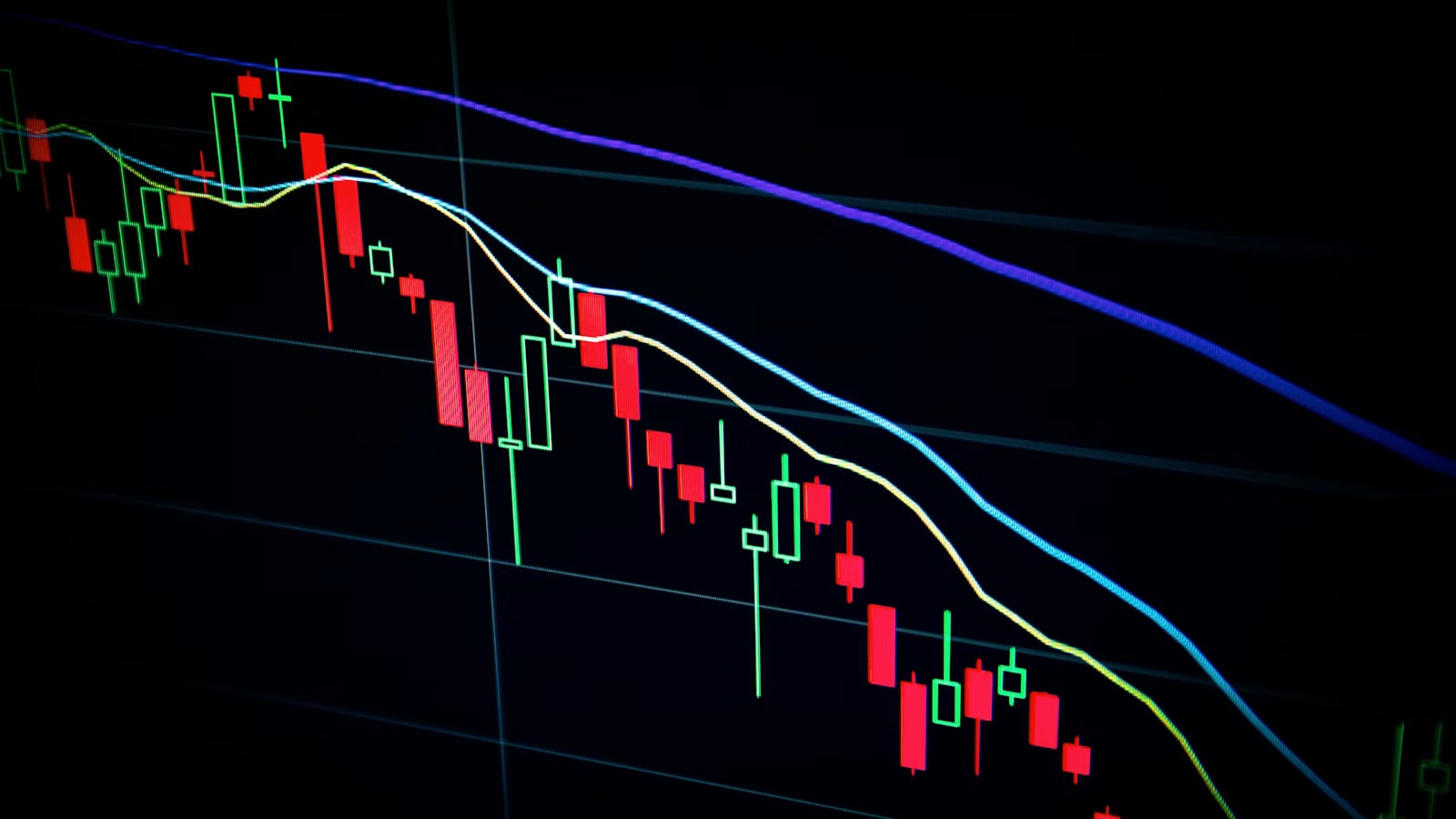
In Indian households, gold is not merely a precious metal; it is the ultimate symbol of financial security and a traditional shield against economic uncertainties. However, recent weeks have witnessed unprecedented turbulence in the bullion market. According to market data, within a span of just 42 days, gold prices have experienced a massive correction of nearly ₹18,000 per 10 grams, dragging the yellow metal down to its lowest level in two months. This sudden crash has brought much-needed relief to families preparing for the upcoming wedding season, while simultaneously triggering anxiety among retail investors.
The genesis of this sudden decline lies in global markets. Shifting inflation data in the United States and evolving signals from the US Federal Reserve regarding interest rates sent ripples through international bullion exchanges. Since India imports a vast majority of its gold consumption, international pricing directly dictates domestic trends across the Multi Commodity Exchange (MCX) and local bullion markets.
Market experts suggest that the staggering peaks reached by gold in recent months represented an overbought territory—prices had outpaced fundamental economic realities. Consequently, a technical correction was inevitable. Yet, a drop of this magnitude within a month and a half has left small and middle-class investors questioning whether the safe-haven asset's golden run is halting or presenting an entry window.
2. Direct Impact on Citizens and Families: Understanding the Arithmetic
Gold is deeply intertwined with the social fabric and emergency planning of Indian households. Millions of families rely on gold for weddings, religious ceremonies, and long-term financial security. When prices skyrocketed, middle-class budgets were thrown completely out of gear, forcing families to either take on heavy debt or compromise on their traditional requirements. Therefore, the ₹18,000 correction comes as a welcome respite for households with impending marriage celebrations.
Conversely, retail investors who bought gold at its all-time high are experiencing jitters. Due to a lack of financial literacy, small investors often rush into assets during a bull run and panic-sell during corrections, severely damaging their household financial health. For the salaried class and everyday citizens, gold must be viewed as a long-term portfolio stabilizer rather than a get-rich-quick scheme.
Salaried individuals utilizing Systematic Investment Plans (SIPs) in Gold ETFs or Sovereign Gold Bonds now have an opportunity to accumulate more units at lower valuations. Nonetheless, the psychological impact of volatile commodity markets on domestic households cannot be overlooked, as cultural attachment to gold runs deep in Indian society.
3. Data and Policy Analysis: Separating Claims from Reality
Macroeconomic factors drive this massive correction. Analyzing data from the past six months reveals a strengthening US Dollar Index. When the dollar gains strength, safe-haven flows into gold typically diminish as investors pivot toward yield-bearing instruments. Concurrently, rising US bond yields have redirected global capital away from non-yielding bullion.
Domestically, exchange rates and government policy interventions—such as recent import duty cuts announced in the federal budget—have contributed to price rationalization. Furthermore, softening retail demand in the world's two largest consumer markets, India and China, has added downward pressure on prices.
"Gold has always served as a hedge against volatility, but prolonged high interest rates globally naturally dim its near-term appeal. Indian investors must recognize that short-term volatility is part of market cycles, not the end of the asset class." — Senior Commodity Market Analyst
Data also highlights aggressive liquidation by speculators in futures markets. When major positions were unwound, cascading stop-losses accelerated the price drop. Everyday consumers must understand that such technical corrections are driven more by algorithmic trading than fundamental retail demand shifts.
4. Expert Opinions and Policy Perspectives
Financial experts and economists remain divided on the outlook. While some view the correction as an attractive buying opportunity, others urge extreme caution. Geopolitical tensions in the Middle East and Eastern Europe remain unresolved, meaning any sudden escalation could swiftly reverse the price downward trend.
Banking and financial planning experts recommend maintaining a disciplined asset allocation, where gold constitutes no more than 10% to 15% of a family's overall portfolio. Policymakers also emphasize that digital gold and Sovereign Gold Bonds offer greater transparency and security compared to physical holdings.
Central bank purchases worldwide indicate that the long-term fundamentals of gold remain resilient. Sovereign institutions continue to diversify their foreign exchange reserves by accumulating bullion, signaling that retail investors should interpret this phase as a healthy market correction rather than structural failure.
5. Legal and Systemic Challenges: Gaps and Vulnerabilities
Sharp price corrections often expose systemic vulnerabilities, including illegal gold smuggling and the circulation of non-hallmarked, adulterated jewellery in unorganized local markets. Unscrupulous local jewelers occasionally exploit consumers rushing to buy discounted gold by compromising on purity.
Under Bureau of Indian Standards (BIS) norms, Hallmark Unique Identification (HUID) is mandatory for jewellery. Yet, compliance remains lax in several tier-2 and tier-3 cities. Consumers blinded by the allure of a discount often overlook bills and purity certificates, risking their hard-earned savings.
Regulatory bodies like SEBI and RBI face ongoing challenges in supervising digital gold platforms and online trading apps. Ensuring robust consumer protection frameworks is imperative to shield citizens from fraudulent financial schemes.
6. The Free Lance Take and Essential Advice for Readers
The Free Lance's investigative assessment concludes that the current gold price correction is a moment for calculated decision-making rather than panic. For families with weddings or long-term financial plans, this dip offers pragmatic relief.
- Avoid Lumpsum Exposure: Instead of deploying all capital at once, use staggered investments (SIP approach) to average out market volatility.
- Verify Purity Standards: Always insist on BIS hallmark, HUID codes, and verified tax invoices when purchasing physical jewellery.
- Prioritize Digital Alternatives: Consider Sovereign Gold Bonds or Gold ETFs for enhanced safety, liquidity, and zero storage risk.
- Maintain Emotional Detachment: Treat gold as an economic hedge and portfolio stabilizer rather than a speculative gamble.
Journalism must go beyond sensational headlines to safeguard citizens' financial well-being. Gold's enduring sheen remains untarnished, provided investors navigate its fluctuations with informed wisdom.