
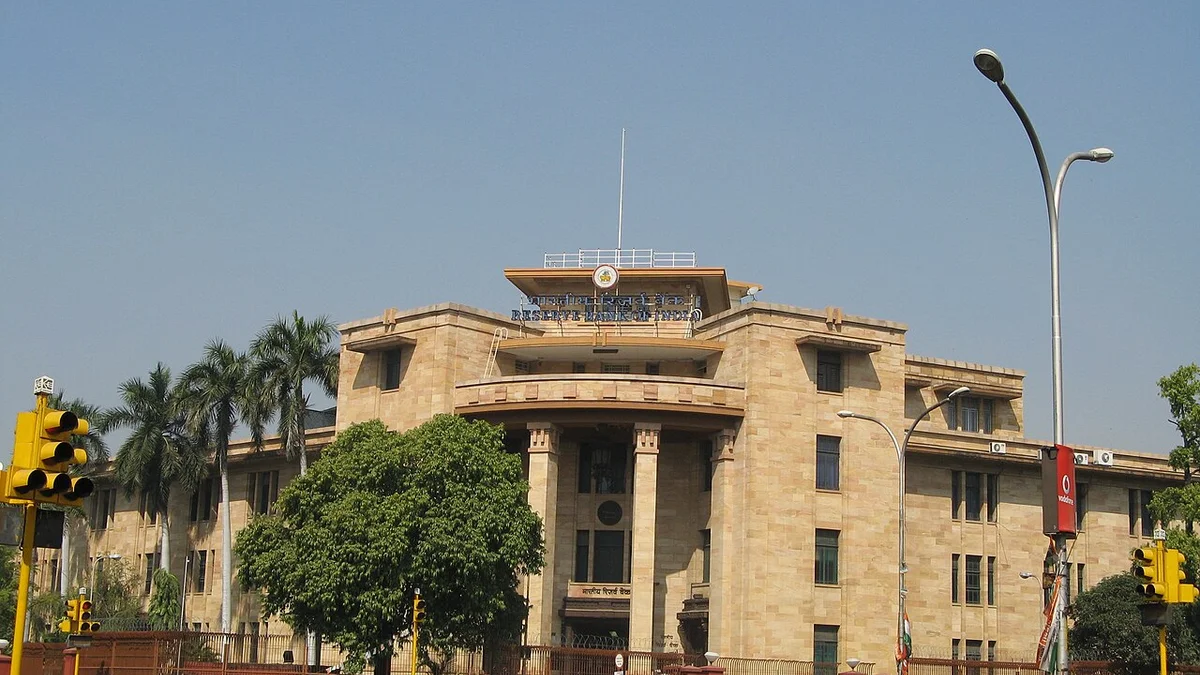
The Reserve Bank of India (RBI) has hiked the repo rate by 0.25% (25 basis points) to 5.50% amidst growing inflation concerns. This decision is expected to directly impact retail borrowers, increasing the cost of home loans, car loans, and other floating-rate borrowings, while offering a silver lining for savers and fixed deposit investors.
Impact on EMIs and Borrowers
An increase in the repo rate means the cost of borrowing for commercial banks from the central bank goes up. Banks usually pass on this increased cost to borrowers by raising lending rates. Consequently, customers with floating-rate loans may see either an increase in their monthly EMIs or an extension of their loan tenure. New borrowers should carefully review revised bank rates before committing to long-term loans.
Good News for Fixed Deposit Investors
On the flip side, the rate hike brings positive news for savers. As banks adjust to higher repo rates, they are likely to raise deposit rates. This means individuals investing in Fixed Deposits (FDs) and other fixed-income instruments can look forward to enhanced returns on their savings.
Balancing Growth and Inflation
The primary objective behind the central bank's rate revision is to keep retail inflation under control and anchored within its targeted limits. Despite external economic headwinds and global pressures, India's domestic economic growth continues to remain resilient.
This financial news report is for informational purposes only. Please consult your financial advisor or bank before making any major loan or investment decisions.