
Inflation pressures in the United States showed renewed vigor as new federal data revealed that producer prices rose by the largest margin since 2022. The surge was primarily fueled by escalating energy expenses and tightening commodity markets, signaling that inflationary forces across the supply chain remain persistent despite previous monetary tightening measures by the Federal Reserve.
The Producer Price Index (PPI), which measures inflation before it reaches consumers, jumped significantly past economists' consensus forecasts. Energy goods and transportation services experienced the most pronounced spikes, reflecting broader geopolitical tensions and fluctuating petroleum supplies that continue to impact global markets. Core producer prices, which exclude volatile food and energy components, also posted solid gains, indicating that cost pressures are spreading deeper into manufactured goods and commercial services.

Market analysts warn that the hotter-than-expected inflation reading could force the Federal Reserve to maintain higher interest rates for a longer duration, pouring cold water on hopes for near-term monetary easing. Wall Street equities reacted nervously to the economic report, with bond yields climbing as investors re-evaluated the trajectory of borrowing costs and corporate profit margins.
As businesses absorb these rising wholesale costs, economists anticipate that corporations will increasingly pass the burden onto retail consumers, potentially keeping consumer price inflation elevated in the upcoming quarters. Policymakers in Washington face a delicate balancing act as they attempt to cool economic activity without triggering a broader slowdown.
Key Highlights
- US producer prices register the highest jump since 2022.
- Energy costs and transportation expenses act as primary drivers for the surge.
- Data challenges Federal Reserve's timeline for potential interest rate cuts.
- Wholesale price increases threaten to filter down to everyday retail consumers.
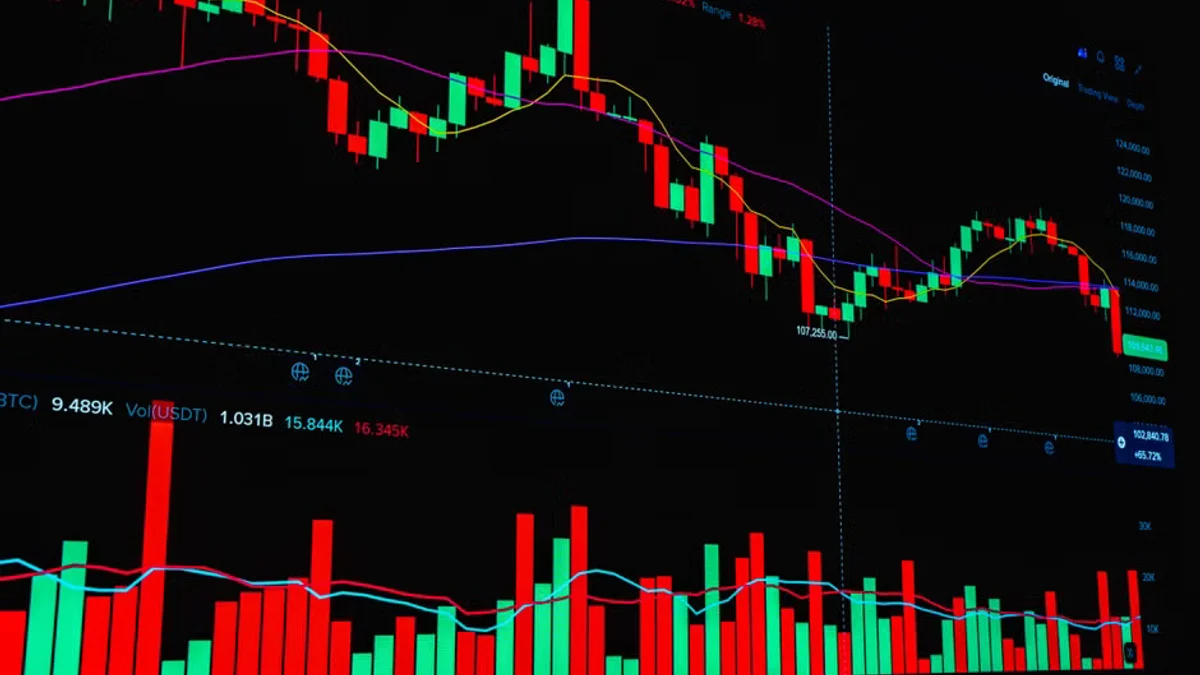
The latest economic indicators underscore the ongoing volatility within global commodity markets and the complex hurdles facing central bankers aiming for a sustainable economic soft landing.