
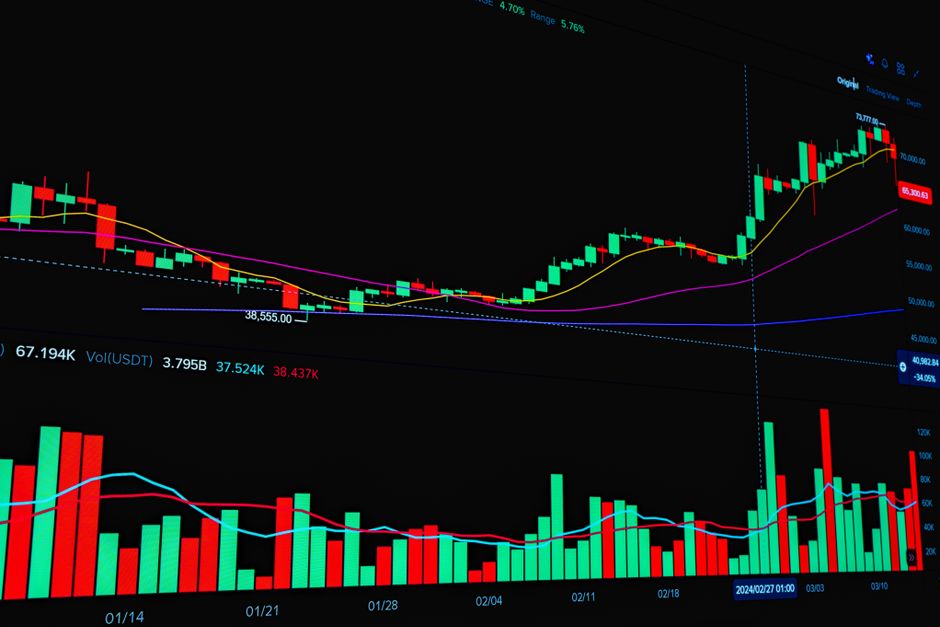
WASHINGTON — The latest fluctuations in the United States unemployment rate have triggered renewed debate among international economists regarding the resilience of the world's largest economy. As labor market data continues to defy traditional cyclical patterns, central bankers across the globe are closely monitoring American economic indicators for signs of spillover effects.
Market analysts note that employment figures directly influence Federal Reserve interest rate decisions, which in turn dictate global capital flows, currency valuations, and emerging market debt burdens. A sudden cooling in hiring or an unexpected uptick in joblessness often triggers immediate adjustments in Wall Street equities, subsequently affecting European and Asian bourses.
'The interconnectedness of modern financial ecosystems means that American labor dynamics are no longer localized events,' said Dr. Elena Vance, Senior Fellow at the Global Economic Institute. 'When US employment figures shift, capital reallocates instantly across borders, altering borrowing costs from London to Tokyo.'
Key Highlights
- US unemployment rate movements dictate Federal Reserve monetary tightening or easing cycles.
- Global equity markets react swiftly to American macroeconomic data releases.
- Cross-border capital flows remain highly sensitive to US labor market stability.
As policymakers navigate this delicate economic phase, the international community will continue to scrutinize upcoming US jobs reports for definitive signals regarding global financial stability.


