The Historic Acquisition of Alaska by the United States

In the annals of global geopolitics, few decisions have altered the course of history quite like the purchase of Alaska. On October 18, 1867, the United States officially took formal possession of this massive territory from the Russian Empire. While Alaska is recognized today as one of America's most strategically vital and resource-abundant states, it was once a remote outpost of the Russian crown, situated far away from Moscow and difficult to defend.
Historical records indicate that in the mid-19th century, Russia feared it would inevitably lose the territory to rival colonial powers like Great Britain in the event of a future conflict. Rather than losing the vast land to an adversary without any compensation, Russian authorities opted to sell it to the United States. Concurrently, Washington was eager to expand its continental footprint, leading US Secretary of State William H. Seward to initiate formal negotiations with the Russian minister in Washington, Eduard de Stoeckl.
Following intensive diplomatic discussions in March 1867, the two nations finalized the treaty stipulating a purchase price of $7.2 million. Though a significant sum at the time, the transaction laid the groundwork for America's dominance in the Arctic region, ultimately transforming a perceived frozen expanse into an invaluable geopolitical asset.
Public Backlash and the Derogatory Label of 'Seward's Folly'
Despite the long-term strategic brilliance of the acquisition, the public reaction within the United States was overwhelmingly negative. Contemporary citizens and media outlets heavily criticized the Johnson administration, arguing that spending millions of dollars on a snow-covered, barren wasteland was an egregious waste of taxpayer money.

Critics and political opponents famously dubbed the transaction 'Seward's Folly' in mockery of Secretary of State William H. Seward, while others pejoratively referred to the territory as 'Andrew Johnson's Polar Bear Garden.' The prevailing domestic sentiment viewed the purchase as an indefensible expenditure on an uninhabitable and economically useless territory. Yet, history ultimately vindicated the visionaries behind the deal.
Geographical Scale and Indigenous Heritage of the Last Frontier
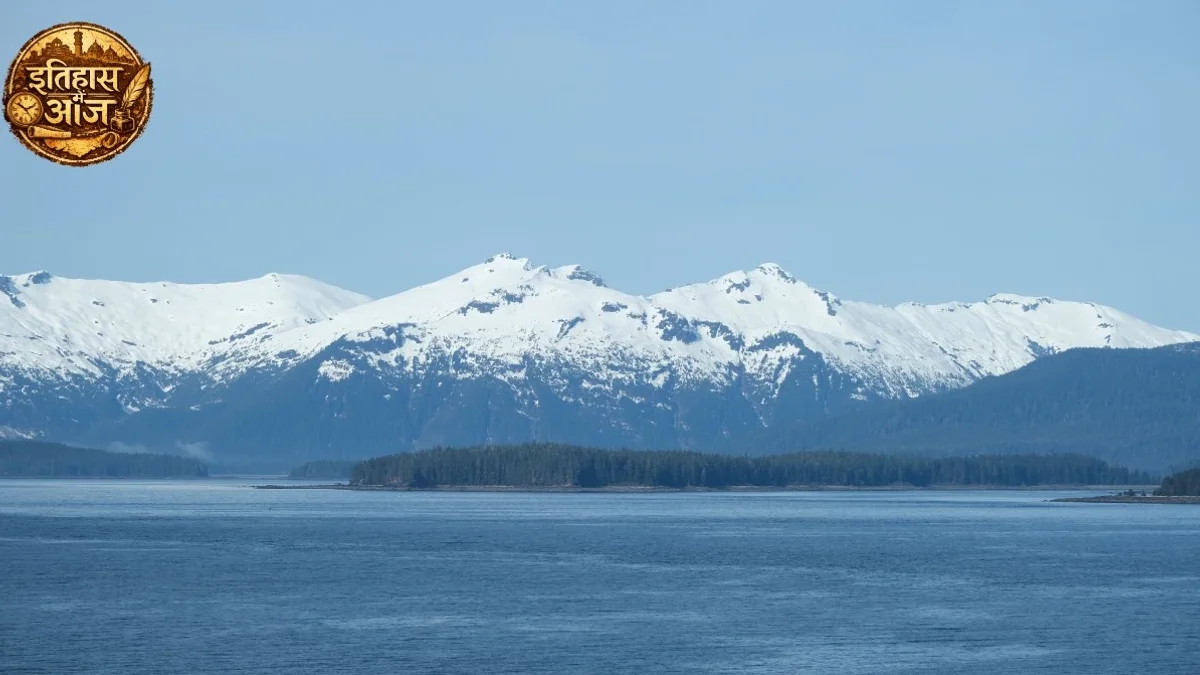
Spanning an immense area of approximately 586,412 square miles, Alaska is far from a minor territory. It is roughly twice the size of Texas and constitutes about one-fifth of the total land area of the contiguous United States. Despite its massive geographical footprint, the state maintains a relatively sparse population.
For millennia, diverse indigenous communities have inhabited this challenging environment, adapting to sub-zero temperatures and rugged terrains. These local populations have successfully preserved their rich cultural heritage and traditional lifestyles despite the severe climatic conditions, maintaining a deep connection to the pristine wilderness.
Economic Transformation and Modern Strategic Importance
Over the decades, perceptions of Alaska underwent a dramatic shift as massive reserves of crude oil, natural gas, gold, copper, and other vital minerals were discovered across the region. Today, Alaska serves as a cornerstone of American energy independence and domestic resource production.
Beyond its economic value, Alaska's geographical positioning near the Arctic Circle provides the United States with unparalleled military and strategic advantages. What was once dismissed as a worthless icebox has evolved into a powerhouse of natural wealth and a critical bastion of national defense.