
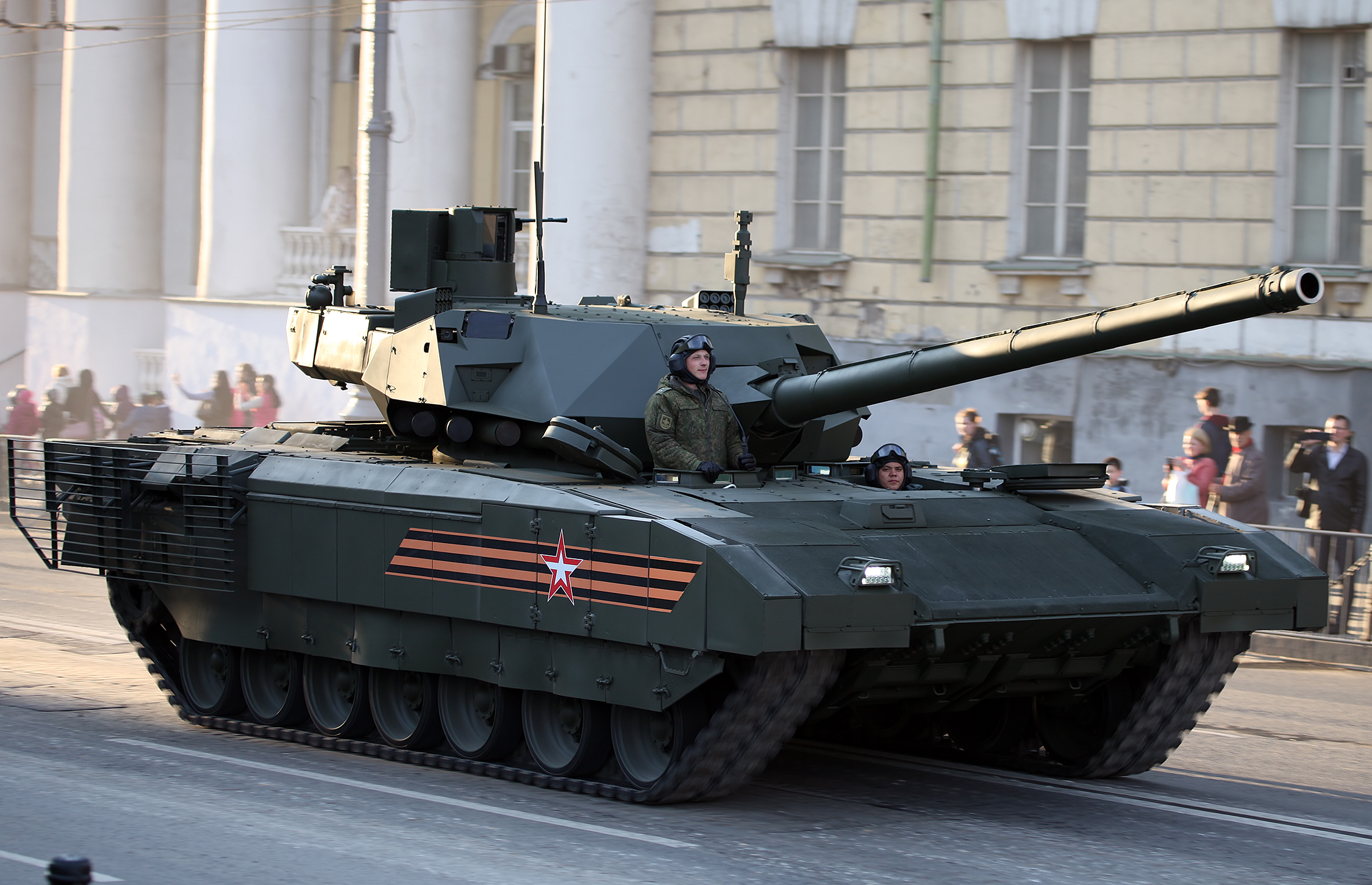
Russia's T-14 Armata Tank Returns to Focus
Amid the ongoing conflict between Russia and Ukraine, the Russian defense sector has once again brought its state-of-the-art T-14 Armata tank into the spotlight. According to defense industry sources, a new round of tests has been conducted for this advanced main battle tank, focusing heavily on modern battlefield challenges where drones and precision-guided munitions pose severe threats.
The T-14 Armata has long been touted by Moscow as a game-changer for future warfare. However, high production costs and technological hurdles initially limited its deployment on active frontlines. The recent testing and upgrades signal a renewed push by the Russian military to integrate next-generation capabilities into its ground forces.
Integration of Artificial Intelligence and Robotic Features
A key highlight of the latest testing phase is the integration of advanced artificial intelligence (AI) and robotic functionalities. In modern warfare dominated by unmanned systems, the T-14 is being engineered to operate with minimal human intervention, utilizing advanced computing to identify and engage targets swiftly.
Military analysts note that AI systems help process sensor data rapidly, allowing the crew to make split-second tactical decisions. This technological leap aims to significantly boost the combat effectiveness and survivability of Russian armored divisions.
Enhanced Defenses Against Modern Drone Warfare
The Ukraine war has starkly demonstrated that even heavy armored vehicles remain vulnerable to low-cost loitering munitions and FPV drones. This reality has forced militaries worldwide to rethink armored vehicle design and defensive countermeasures.
In response, the upgraded T-14 Armata incorporates specialized anti-drone cage armor and an improved Active Protection System (APS). These systems are designed to intercept incoming threats before they can impact the hull, addressing previous criticisms regarding the vulnerability of heavy tanks to aerial attacks.
Overcoming Past Skepticism and Production Challenges
While the Armata platform boasts impressive technical specifications on paper, its delayed mass production and sparse deployment previously drew skepticism from international defense observers. Critics frequently questioned its practical viability in large-scale conventional warfare.
By outfitting the tank with cutting-edge AI and robust drone-defense architecture, Moscow aims to silence its critics and validate the platform's combat readiness. Nevertheless, navigating Western sanctions and maintaining steady supply chains for high-tech components remain ongoing hurdles for Russian defense manufacturers.