
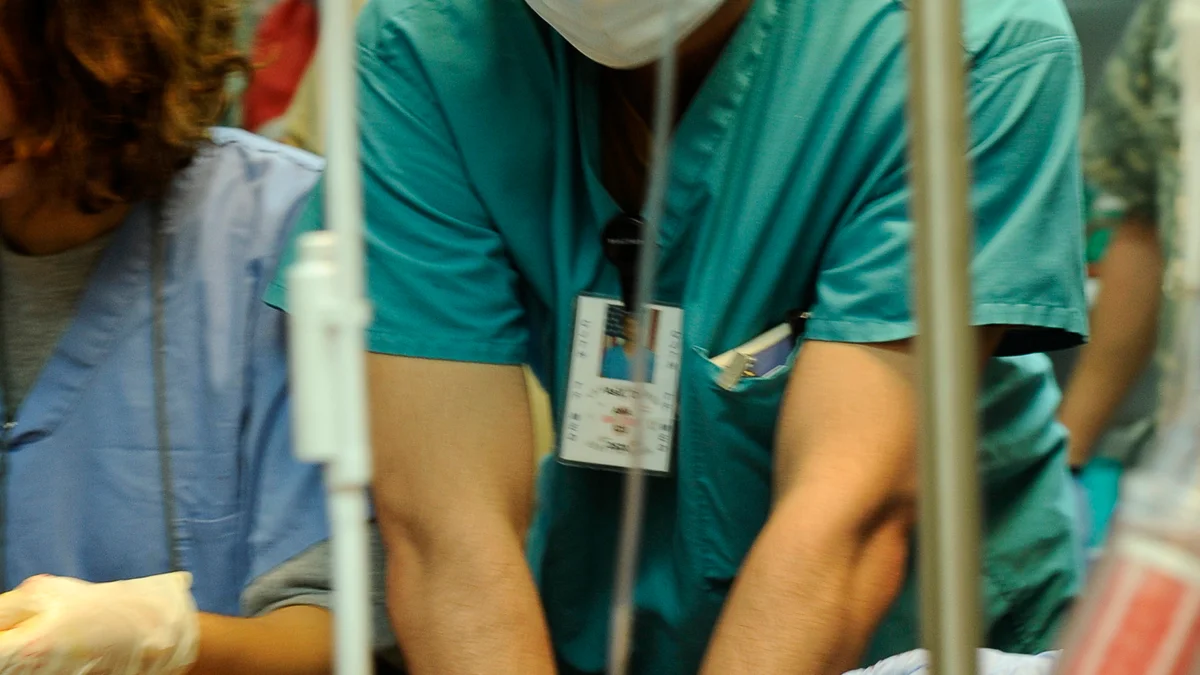
Cardiac arrest is a severe and life-threatening medical emergency characterized by the sudden collapse of a person, loss of pulse, and absence of breathing. According to health experts, during a cardiac arrest, the electrical system of the heart malfunctions, causing the heartbeat to stop abruptly and cutting off blood flow to the brain and other vital organs.
Difference Between Cardiac Arrest and Heart Attack
People often confuse a heart attack with cardiac arrest, but they are fundamentally different. A heart attack is caused by a blockage in blood flow, whereas cardiac arrest is an electrical malfunction. Statistics show that when cardiac arrest occurs outside a hospital, the survival rate is typically only 8% to 10%. With every passing minute without intervention, the survival chance drops by 7% to 10%, and brain death can occur within 10 minutes.
How Immediate CPR Can Save Lives
If a bystander immediately begins administering CPR (Cardiopulmonary Resuscitation), the chances of survival can increase to 40% to 50%. Without primary intervention for 10 minutes, the survival rate drops to less than 1%. Medical guidelines recommend performing chest compressions at a rate of 100 to 120 beats per minute until emergency medical help arrives.

Essential Steps to Follow
- If someone collapses in front of you, tap their shoulders and loudly ask, 'Are you okay?'.
- If there is no response, instruct someone nearby to call an ambulance immediately and source an AED (Automated External Defibrillator) if available.
- Lay the person flat on a firm surface and immediately begin hands-only CPR by pushing hard and fast in the center of the chest.
'The Freelance' does not independently verify the authenticity of claims made in this viral medical context. This topic remains a subject of widespread discussion. Video and information courtesy: Respective social media handlers / creators.



Health & Lifestyle Desk, The Freelance
Verified Editorial DeskHealth, Wellness & Lifestyle Reporting Team
Delivering verified health advisories, medical research summaries, wellness insights, and lifestyle trends vetted by scientific evidence. We are committed to unbiased, factual journalism based on verified agencies, official statements, and on-the-ground correspondents.