A New Political Chapter and Freedom from Authoritarian Rule
The political landscape in neighboring Bangladesh is witnessing significant shifts. From the corridors of power to international platforms, discussions are rife about the future trajectory of the nation, emphasizing the end of authoritarian policies and the establishment of a free society. Analysts believe this transition will deeply impact not only domestic affairs but also the geopolitics of South Asia.
Reviewing the political journey of the past decade and a half reveals how the centralization of power weakened democratic institutions. As a new political chapter unfolds, citizens and intellectuals alike are questioning whether genuine systemic reforms will take root at the grassroots level. Recent statements and strategic dialogues indicate that a well-structured framework is being devised to steer the country back on track.
The 3-R Formula for National Rejuvenation
A special '3-R' formula has gained traction for accelerating the comprehensive development and reconstruction of the nation. This concept primarily focuses on three core pillars: Reconstruction, Reforms, and Recovery. Experts suggest that sincere implementation on these fronts could provide a solid foundation for Bangladesh's economy and administrative framework.
The foremost priority under this framework is to fix institutions that suffered severely during the previous regime, including the judiciary, the election commission, and law enforcement agencies, making them transparent and free from political influence. Additionally, concrete steps are being formulated on the economic front to provide relief to the public and restore the confidence of foreign investors.
"Our goal is to build an inclusive society where every citizen enjoys complete freedom of expression, keeping the nation far away from the shadows of dictatorship." — Political Analyst
Shifting Dynamics in International Diplomacy
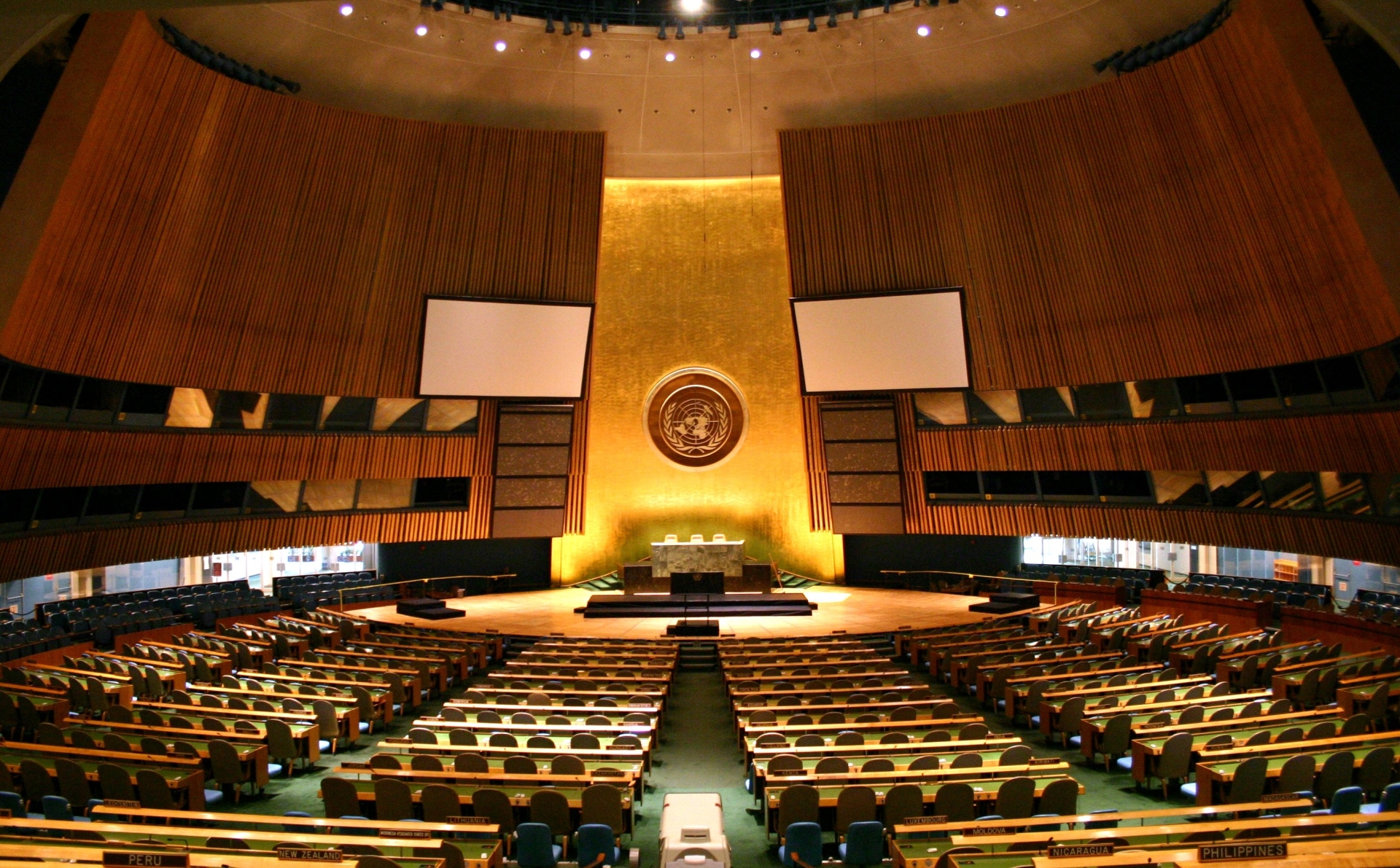
Statements emanating from global forums by Bangladeshi representatives clearly indicate that the emerging administration seeks to redefine its relations with countries worldwide. Positive signals have also emerged regarding enhancing cooperation with neighboring nations and strengthening trade ties. Striking a diplomatic balance with key neighbors like India could prove to be both a major challenge and an opportunity for the new administration.
Diplomatic experts assert that stability in Bangladesh is crucial for the security and peace of the entire region. If the country overcomes internal strife and political instability to pursue a path of development, it will significantly boost trade and connectivity across South Asia. The international community is closely monitoring these developments and indicating readiness to offer cooperation.
Public Expectations and Future Challenges
Despite grand claims of transformation, managing the situation on the ground will not be straightforward. The general public continues to grapple with severe issues such as inflation, unemployment, and administrative corruption. The biggest test for the new administration will be proving that it can deliver tangible results rather than just promises. The younger generation, which spearheaded this change, holds exceptionally high expectations.
The coming days will reveal how effectively the new leadership meets these expectations. Establishing the rule of law, protecting human rights, and stabilizing the economy are the vital checkpoints that will determine the future direction of Bangladesh. Analysts emphasize that political factions must learn from past mistakes and prioritize national interest above all else.