A New Milestone in Space Exploration
In a monumental achievement for astronomy, researchers have successfully detected direct radio signals originating from an exoplanet outside our solar system. This groundbreaking discovery, centered around the gas giant Beta Pictoris b located 63 light-years away from Earth, marks a major turning point in our understanding of planetary magnetic fields and cosmic weather.
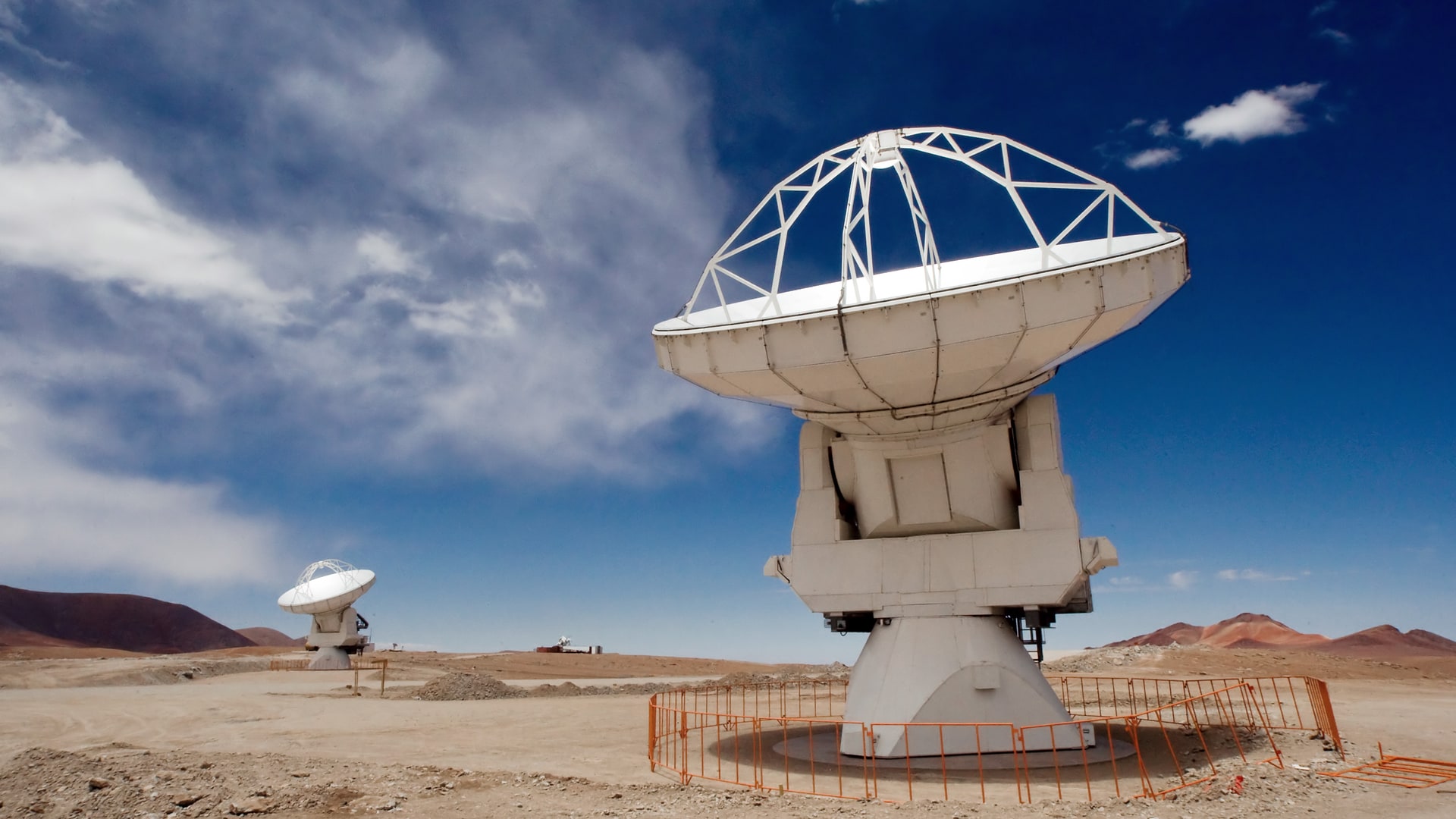
Using the advanced MeerKAT radio telescope array in South Africa, scientists captured repeating radio emissions coming directly from the planet rather than its host star. This breakthrough provides the first direct measurement of an exoplanet's magnetic field, solving a long-standing mystery in modern astrophysics.
Unusual Rotation and Massive Magnetic Strength
Beta Pictoris b is a young, massive gas giant orbiting its host star in the Pictor constellation. Notably, the planet possesses an exceptionally fast rotation rate, completing a full axial rotation in just 8 to 9 hours. This rapid spinning motion is believed to drive powerful internal dynamo processes, generating an extraordinarily strong magnetic field.
Calculations indicate that the magnetic field of Beta Pictoris b is at least 1,250 times more powerful than Earth's magnetic field. This immense magnetic shield plays a critical role in protecting the planet's atmosphere and maintaining its long-term atmospheric stability against stellar winds.