The Ultimate Cosmic Predator: The Connection Between Black Holes and Galaxies
The universe is filled with wonders, and science continues to unravel its deepest secrets. Supermassive black holes have long been known as destructive forces within their own galaxies, yet the exact mechanism of their dominance remained a mystery. Researchers have finally decoded how black holes, despite being comparatively tiny in size, manage to exert such colossal influence over massive galactic structures.
Most large galaxies, including our own Milky Way, are surrounded by massive clouds of gas and dust known as the circumgalactic medium. This medium serves as the raw material required for the birth of new stars. When star formation rates peak, gas flows inward, feeding the galaxy. However, black holes act as the ultimate regulators of this cosmic cycle, altering the destiny of entire stellar systems.
The Power of Plasma Jets: Stopping Star Formation
At the heart of this phenomenon are the powerful plasma jets generated by black holes. These jets originate from the dense center and travel outward all the way to the outer edges of the galaxy. As they move through space, they disturb the surrounding gas, illuminating it and completely disrupting the cooling process needed for star formation.
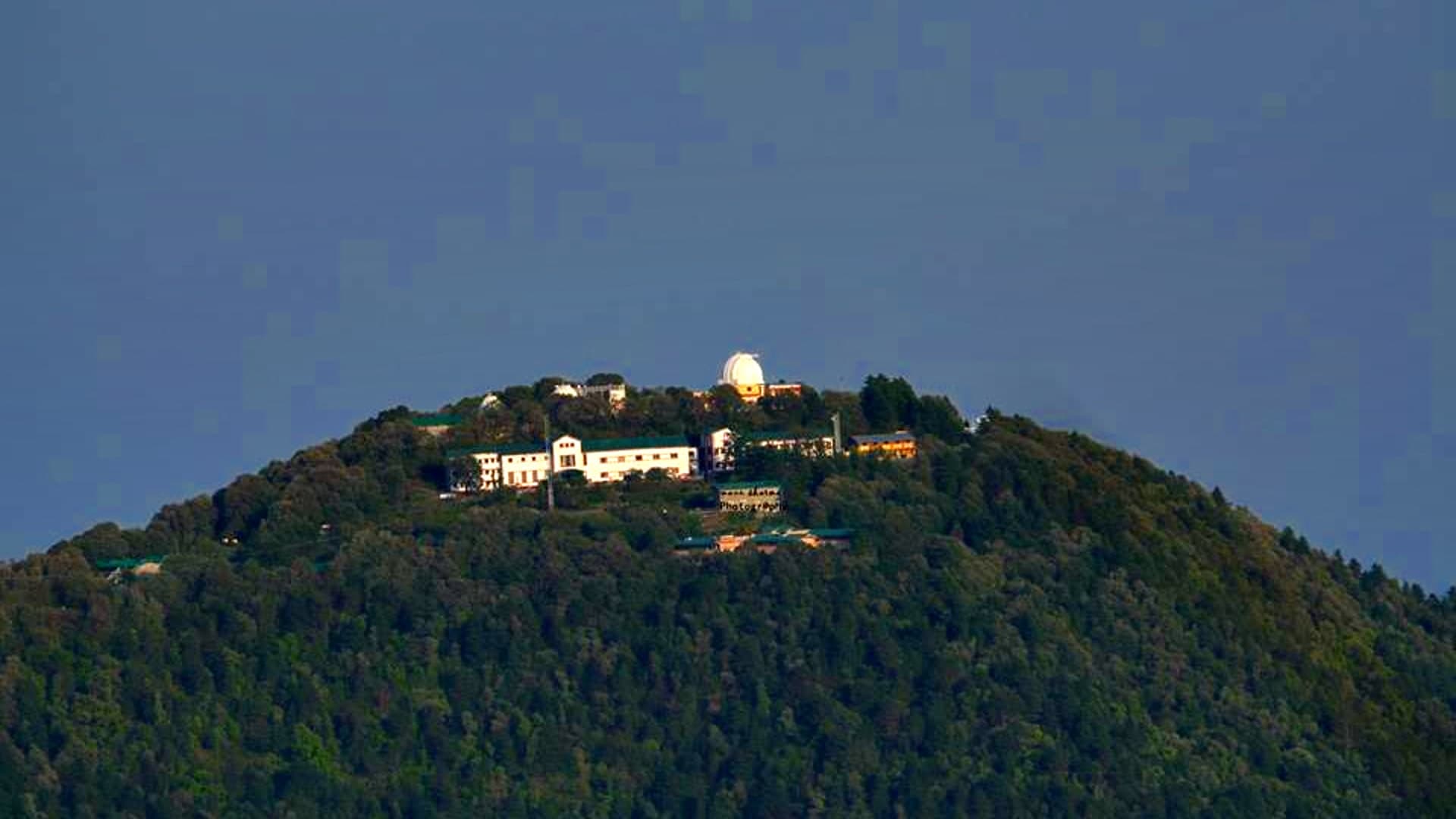
Without a continuous supply of new stars, a galaxy slowly enters a dormant or dying phase. Researchers from the Raman Research Institute highlighted how fascinating it is that a relatively compact object can dictate the fate of a massive galaxy containing hundreds of billions of stars spanning light-years across.
A Breakthrough in Astrophysical Research
Published in the Astrophysical Journal Letters, this study bridges crucial gaps in our understanding of cosmic evolution. By combining data from advanced telescopes, scientists have confirmed that plasma energy distribution shapes the lifecycle of galaxies across the universe. As research continues, humanity steps closer to decoding the magnificent physics governing the cosmos.