A New Chapter in Northeast India's Trade History
Trade relations between India and Bangladesh are set to reach a historic milestone as Assam prepares to dispatch its first international cargo shipment via waterways. For the first time, cargo vessels will sail from Bogibeel in Dibrugarh, Assam, through the Brahmaputra river directly toward Bangladesh, opening a completely new trade corridor for the northeastern region.
Experts note that this water transport initiative goes beyond conventional freight movement. It successfully overcomes decades-old geographical and infrastructural barriers to establish seamless cross-border commerce, boosting local industries and strengthening bilateral economic ties.
Methanol Cargo Set to Sail Across the Brahmaputra
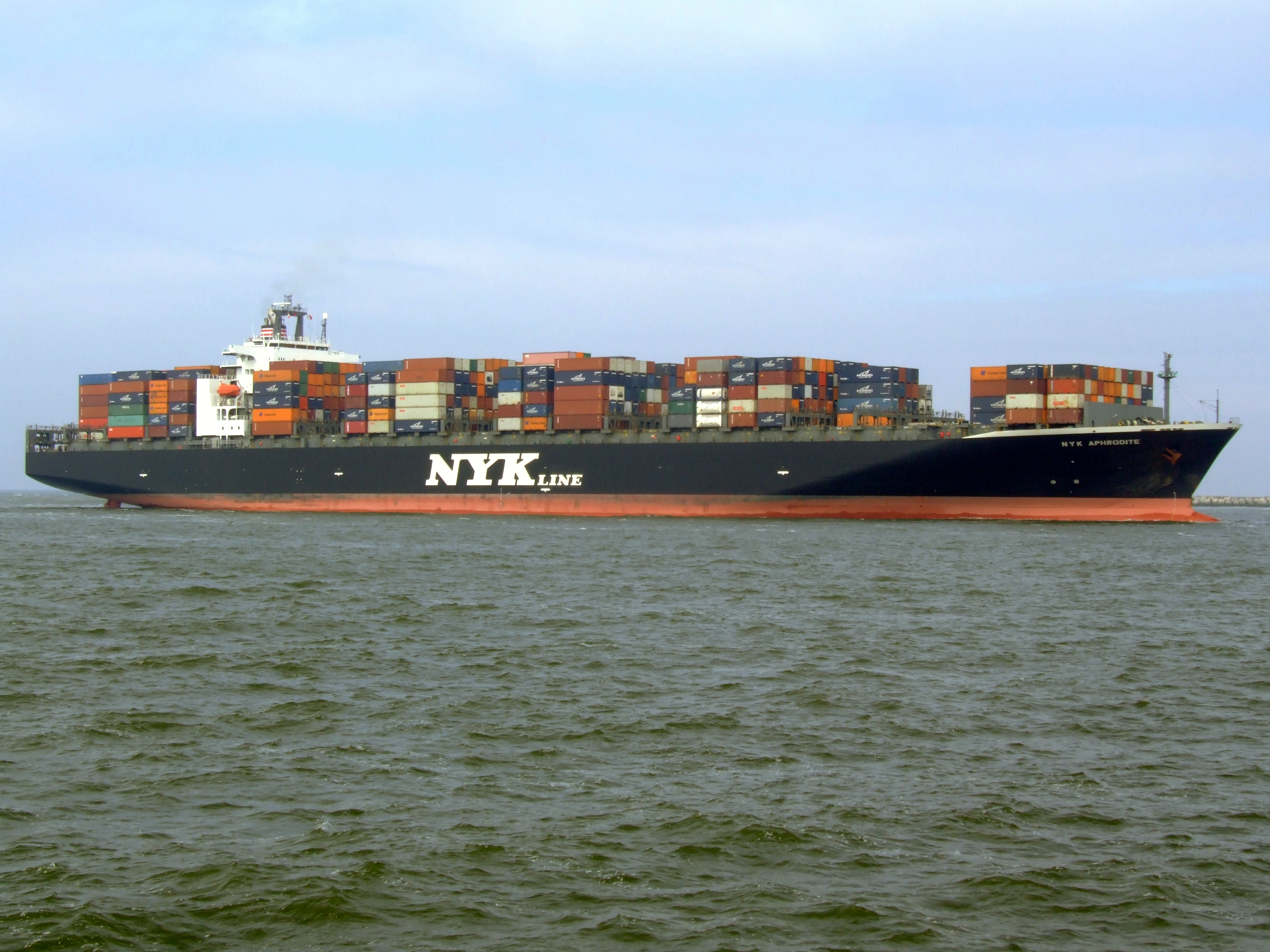
The landmark journey involves two specially designated cargo ships carrying a massive industrial consignment. Both vessels are loaded with a total of 54 containers, with each container carrying approximately 20 tons of high-grade methanol. This brings the total shipment to roughly 1,080 tons of methanol bound for international destinations.
The methanol has been manufactured at the premier Namrup plant of Assam Petro-chemicals Limited. This massive shipment will provide a robust platform for local manufacturing units to reach regional and international markets, creating widespread enthusiasm among local stakeholders.
A 783-Kilometer Water Journey Starting from Bogibeel
The journey from Dibrugarh's Bogibeel is technically challenging yet promising. The Bogibeel Inland Water Transport Terminal has been fully upgraded with modern amenities, including custom clearance facilities, robust jetties, and expansive warehouses, ensuring smooth international transit.
The cargo vessels will cover a water route of approximately 783 kilometers from Bogibeel to the Bangladesh border. The riverine voyage is expected to take around seven days, after which the goods will be transported via domestic networks to Dhaka and other major commercial hubs.
Leveraging National Waterway-2 and Protocol Routes
This entire commercial operation is made possible through National Waterway-2 on the Brahmaputra River and the India-Bangladesh Protocol Route. Utilizing water transport significantly reduces logistics expenses and carbon footprints compared to traditional roadways.
"This historic water transit marks a turning point for Northeast India's economy, lowering transport costs and cementing stronger trade ties with Bangladesh." — Economic Policy Analyst
With regular cargo movements planned for the future, this initiative promises to attract further investments and generate employment opportunities across the entire northeastern region of India.