Cockroach Janata Party Announces Protest in Delhi
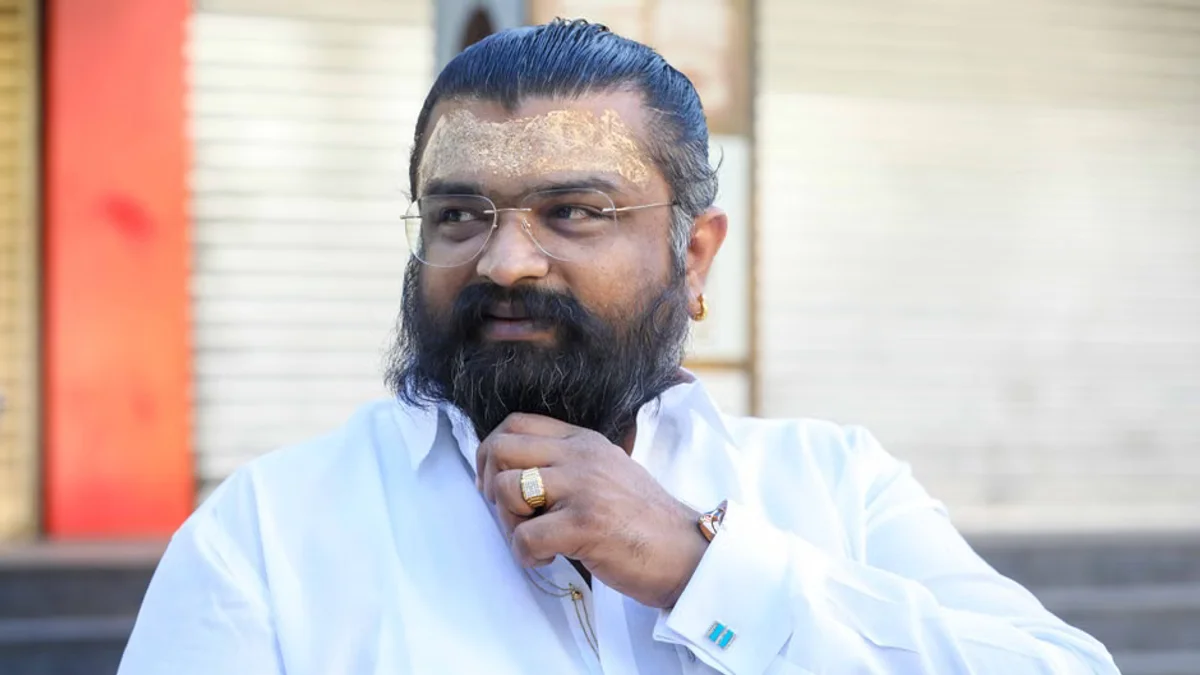
New and unconventional political outfits frequently emerge in the Indian political landscape, seeking attention through unique names and distinct methods. In a similar vein, a newly emerged organization called 'Cockroach Janata Party' (CJP) has announced plans to stage a major protest in the national capital starting October 10. The core demand of this party is the resignation of the country's Chief Election Commissioner (CEC), Gyanesh Kumar. Political analysts suggest that while such protests manage to grab media attention, their actual grassroots political impact remains minimal.
The party officials claim that the functioning of the election commission needs reform, which prompted them to take to the streets. However, the organization's political credentials and the faces behind it have failed to gather any substantial public support so far. Despite this, security agencies and local administration in Delhi are maintaining high vigilance to ensure law and order remain undisturbed during the upcoming events.
Union Minister Ramdas Athawale's Sharp Response
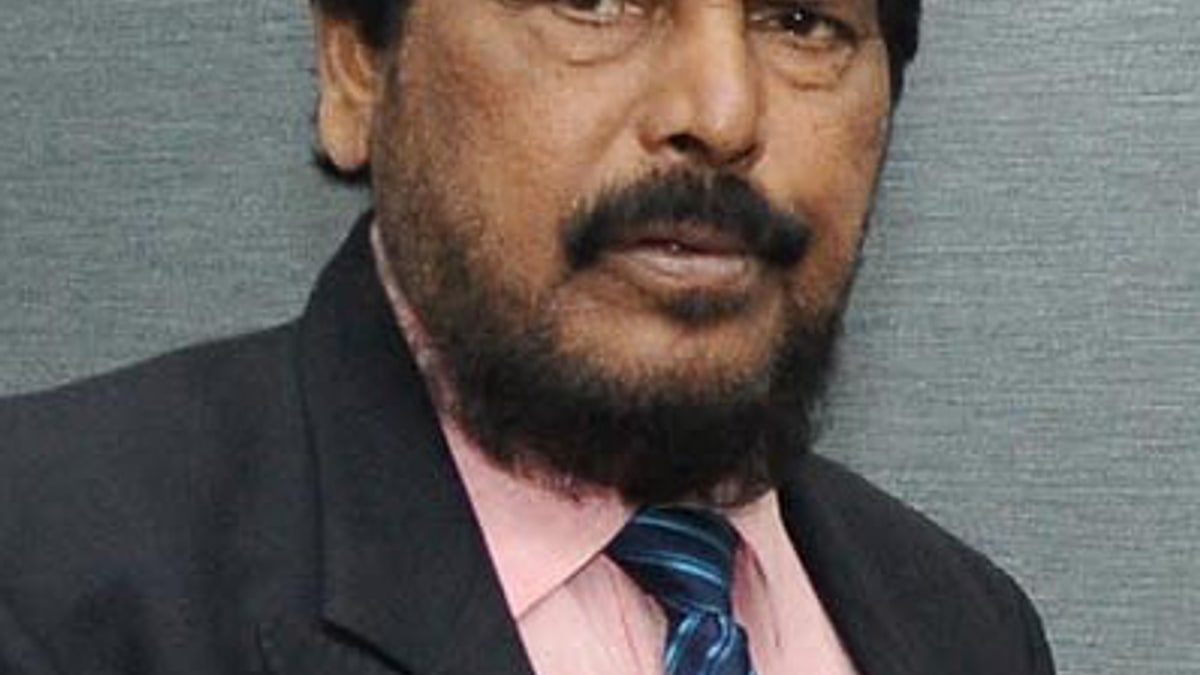
Reacting sharply to these developments, Union Minister of State for Social Justice and Empowerment and Republican Party of India (A) chief Ramdas Athawale outrightly dismissed the demands made by the CJP. He stated firmly that raising baseless demands against individuals holding constitutional positions like the Chief Election Commissioner is entirely unwarranted and immature. Athawale added in his characteristic style that attempts to exert pressure on the country's independent and impartial electoral institutions will never be accepted.
"Demanding the resignation of the Chief Election Commissioner is completely absurd. The Election Commission operates transparently within the framework of the Constitution. Such political dramas without any solid foundation will yield nothing." — Ramdas Athawale, Union Minister
This statement from the Union minister comes at a time when various political parties frequently question the impartiality of electoral processes and institutions. Nevertheless, such demands for the resignation of top officials by minor groups have sparked widespread debate within political circles.
Analyzing the Politics of Pressure on Constitutional Bodies
Over the past few years, political rhetoric concerning the functioning of the Election Commission, the judiciary, and other autonomous bodies has intensified in Indian democracy. Electoral bodies serve as the backbone of the democratic framework, and attempts to exert pressure on their top officials do not align with healthy democratic traditions. Political experts note that when small or newly formed groups take up such extreme stances, their primary objective is often to secure visibility rather than achieve any genuine policy reform.
Despite this, such occurrences reflect the state of political tolerance and the level of democratic discourse in the nation. While individual groups retain the freedom to voice their opinions, upholding the dignity of constitutional institutions remains equally crucial. How the protest unfolds on October 10 and how the Delhi Police manages the situation remains to be seen.
Security and Administrative Preparations on Delhi Streets
Following the announcement by the Cockroach Janata Party, Delhi Police and intelligence agencies have stepped up their preparedness. Adequate security and traffic management arrangements are being put in place around potential protest sites to prevent any major inconvenience to the general public. Administrative authorities have issued clear directives that protests must remain peaceful, and strict legal action will follow any attempts to disrupt public order.
While minor demonstrations are common in the national capital, questioning top election officials prompts authorities to maintain zero tolerance toward potential security risks. The police are ensuring that protesters exercise their democratic rights within permissible limits while keeping sensitive zones heavily guarded.