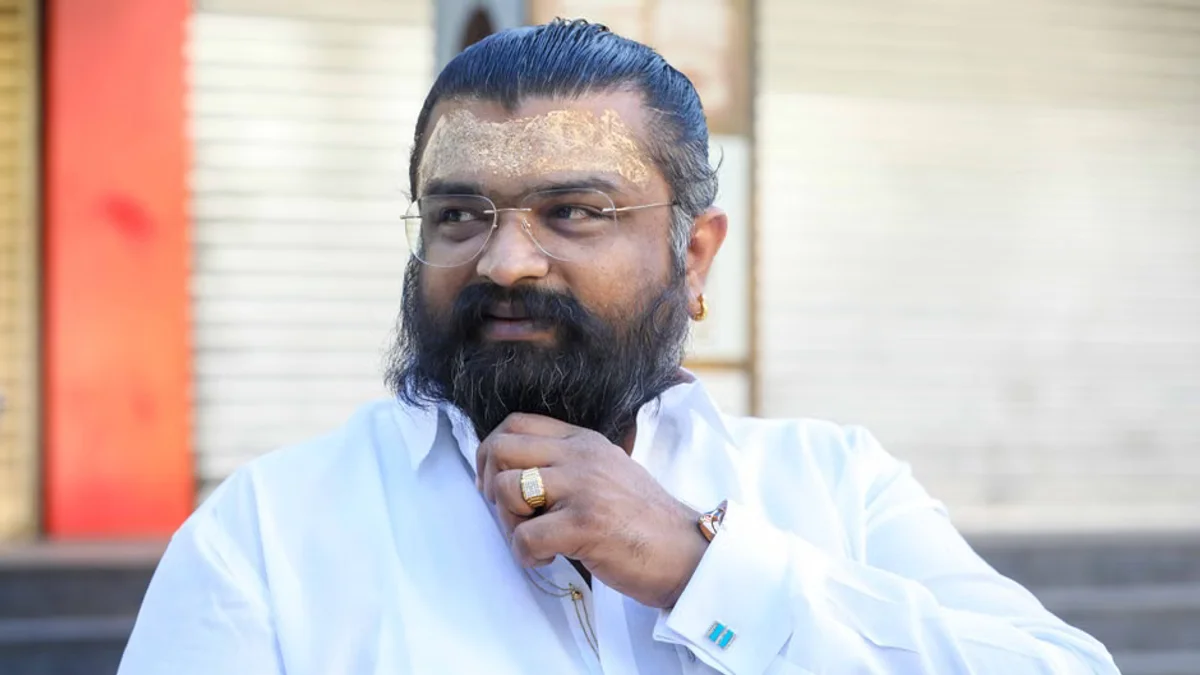
Prashant Kishor's Sharp Attack Amid Electoral Reforms Debate
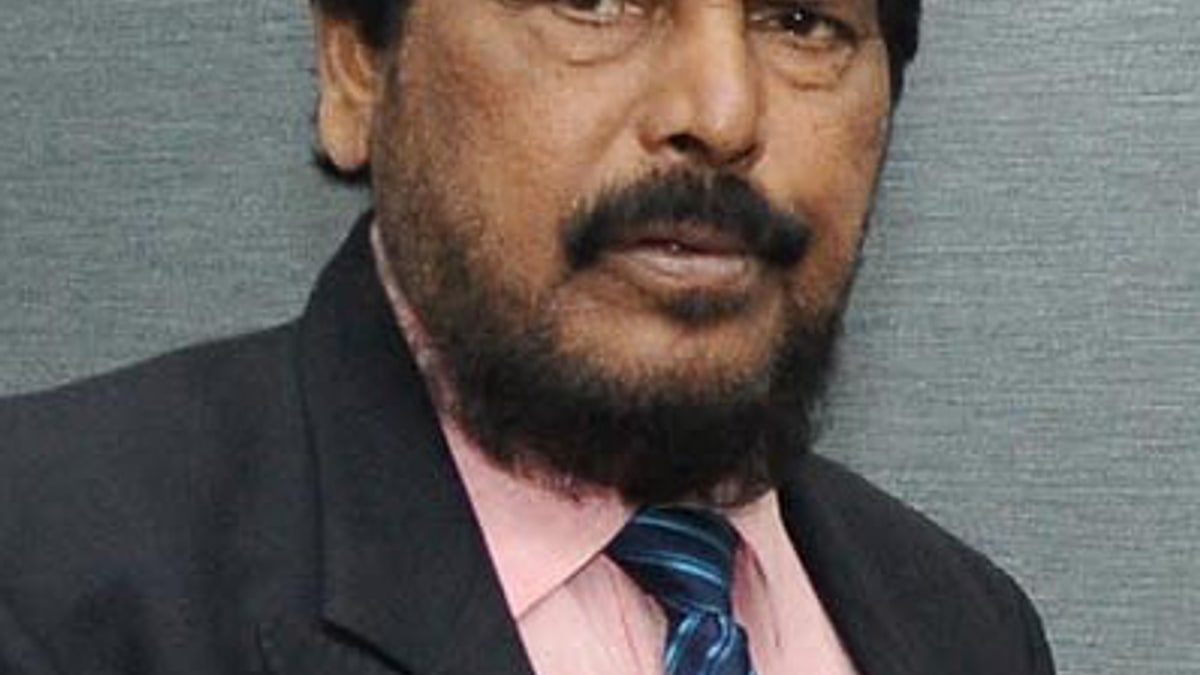
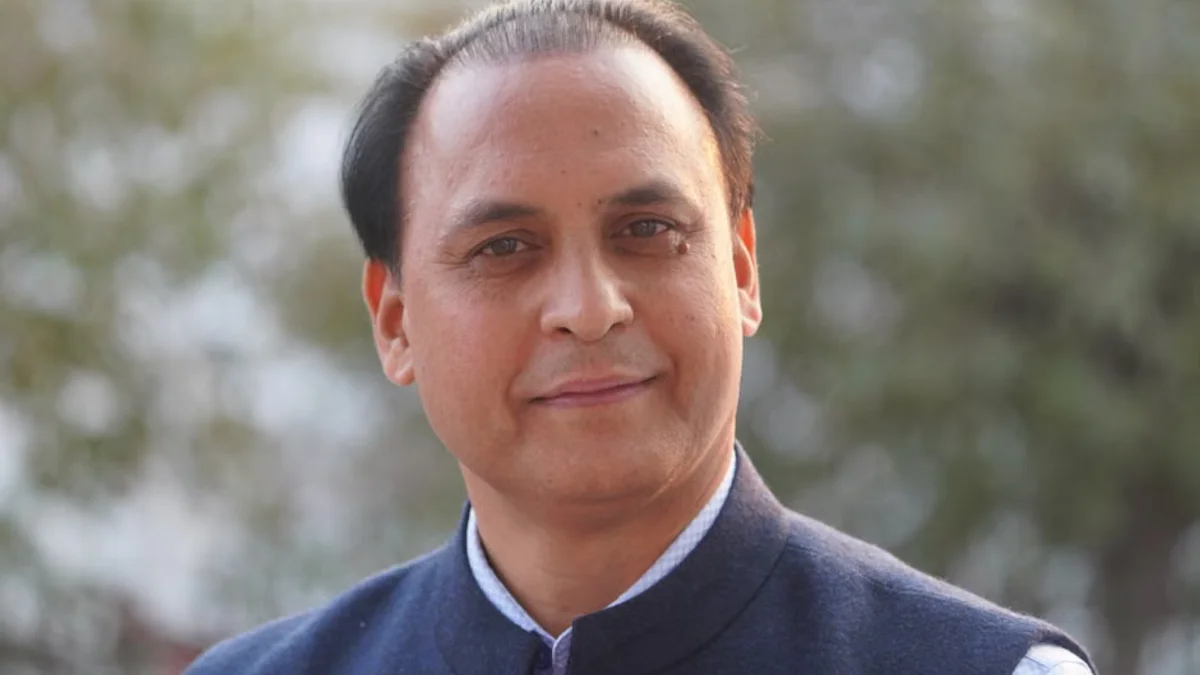
Political corridors across the country are currently witnessing a fierce debate over electoral reforms and the functioning of the Election Commission. Amidst this, renowned political strategist and founder of Jan Suraaj, Prashant Kishor, has strongly reacted to the recent statements made by Chief Election Commissioner Gyanesh Kumar. Kishor believes that fundamental changes in the election process are urgently required to keep Indian democracy robust. He asserted without mincing words that if standards of impartiality and transparency are not fixed in time, serious consequences could follow in the near future.
Actively engaged in national politics, Prashant Kishor recently talked extensively about the role of the Election Commission during an interview. He stated that the rights of common citizens and the sanctity of the electoral process must remain paramount. His statements have sparked intense discussions among political analysts, especially as various states gear up for crucial elections and voters grow increasingly aware of their rights.
Questions Raised on Gyanesh Kumar's Functioning and Neutrality
Under the leadership of Chief Election Commissioner Gyanesh Kumar, the poll panel has initiated several significant steps, but a section of critics continues to question these decisions. Prashant Kishor specifically pointed out aspects directly linked to the autonomy of the Election Commission and the transparency of its decisions. He emphasized that constitutional bodies must remain completely free from any political pressure to maintain the common voter's unwavering faith in democracy.
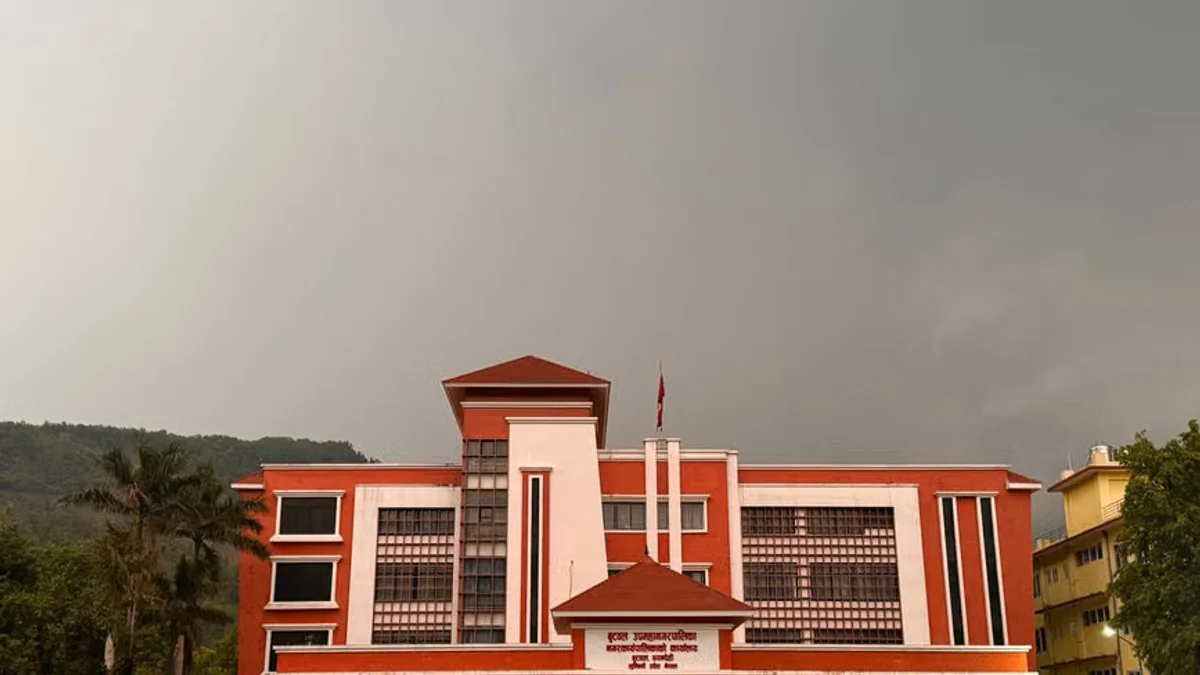
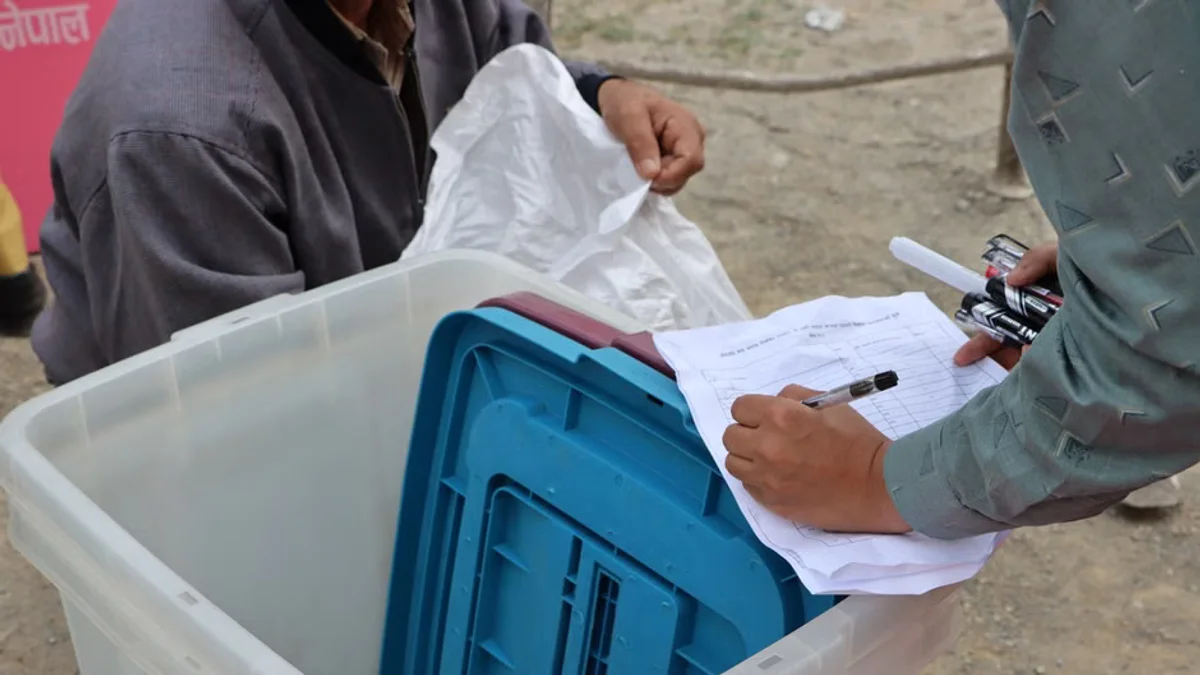
Highlighting free and fair elections as the backbone of democracy, Kishor noted that merely fulfilling formal obligations is not enough. The Election Commission needs to take much stricter measures to curb the influence of money power and tactics used to lure voters at the grassroots level. He made it clear that unless the commission enforces rules with full might, achieving genuine reforms on the ground remains impossible.
"The public of this country is watching everything very closely. Maintaining transparency and fairness in elections should be the topmost priority not just for the Election Commission, but for every responsible citizen. The time has come to make tough decisions for systemic reforms." — Prashant Kishor, Political Analyst & Founder Jan Suraaj
Political Aftershocks and Changing Dynamics
Following this aggressive stance by Prashant Kishor, political parties have started reacting sharply. While several opposition leaders are backing his views, ruling party representatives maintain that the Election Commission is functioning completely independently and all its decisions are transparent. This exchange of words has once again triggered the debate on whether there is room for major changes or reforms in the Indian electoral system.
Experts also believe that when strategists like Prashant Kishor raise such serious questions on public platforms, it directly impacts the general public, sparking curiosity about the intricacies of the electoral process. Demand for electoral reforms is likely to gain further momentum in the upcoming days, directly influencing future political strategies across the nation.
The Imperative of Democratic Strength and Transparency
India's democracy is celebrated as the largest and most vibrant globally, yet periodic introspection remains essential for its continued strength. Prashant Kishor's remarks are part of this serious ideological debate. Whether it is the issue of digital voting, actions against code of conduct violations, or transparent accounting of political advertising and funding, the scope for reform always remains open on every front.
In conclusion, the Chief Election Commissioner and the Election Commission face significant challenges in the coming days. To live up to public expectations and further solidify its reputation for neutrality, the poll panel must seriously consider suggestions from all stakeholders. Citizens and political parties alike are closely watching how the Election Commission addresses these ongoing debates and queries.