Revised GRAP Rules Imacted in Delhi-NCR
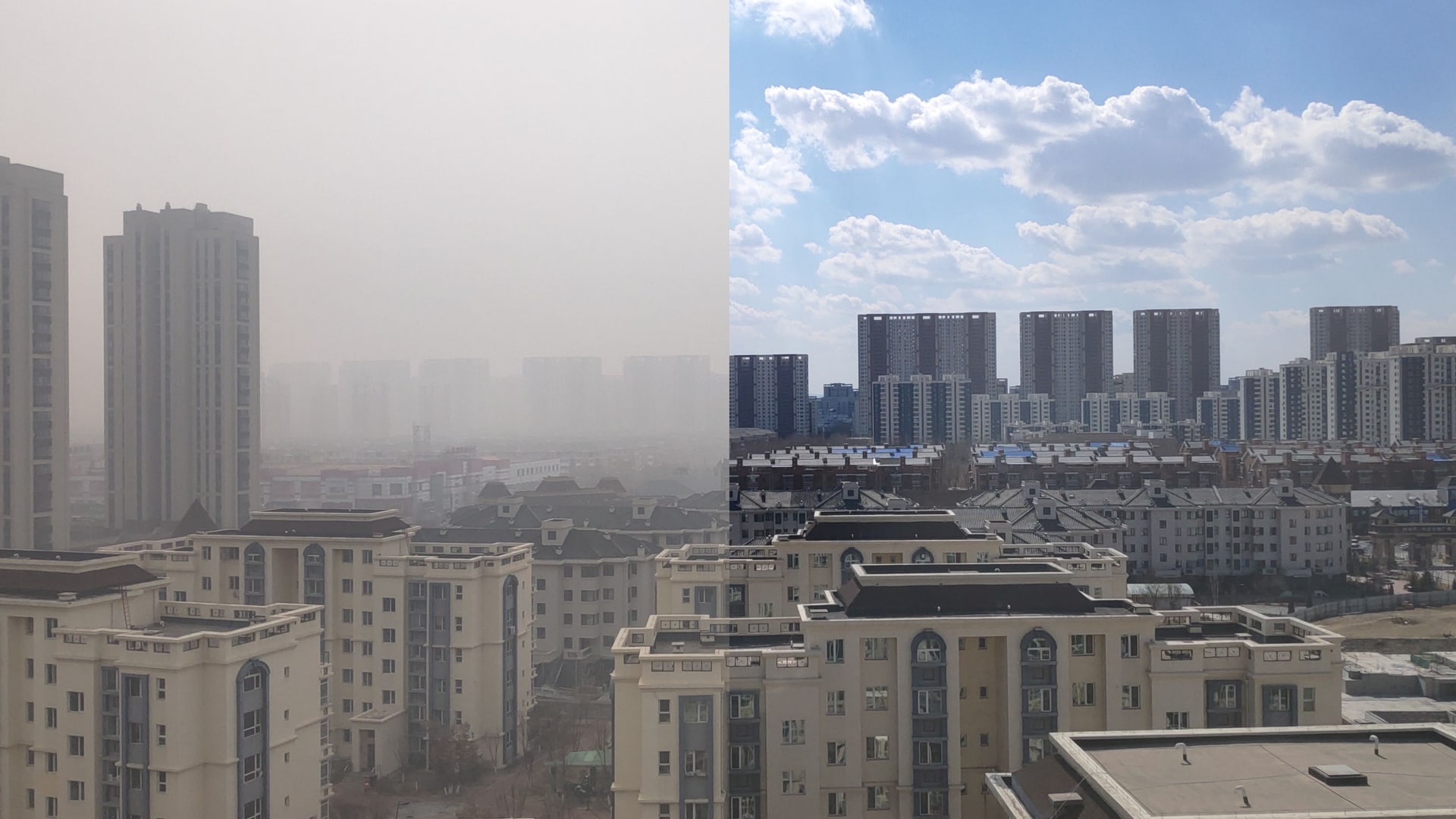
As winter approaches, air quality in the National Capital Region begins to deteriorate. To tackle this annual crisis, the Commission for Air Quality Management (CAQM) has rolled out a revised and significantly stricter version of the Graded Response Action Plan (GRAP). The updated framework has come into effect immediately, aiming for proactive measures rather than reactive responses as pollution levels rise.
Four-Stage Phased Restrictions
The updated guidelines categorize air quality into four distinct stages based on the Air Quality Index (AQI). Stage 1 is triggered when the AQI falls between 201 and 300 ('poor'), followed by Stage 2 for 'very poor' air (301-400), Stage 3 for 'severe' air (401-450), and Stage 4 for 'severe plus' conditions (above 450). Each stage introduces progressive prohibitions on construction, transport, and industrial activities.
Stricter Norms from Stage One
Unlike previous years, several heavy restrictions have been brought forward to the first stage itself. Interstate and intercity buses entering Delhi from neighboring states like Haryana, Uttar Pradesh, and Rajasthan are now restricted right from Stage 1, with exemptions granted only to electric, CNG, and BS-6 diesel buses. Additionally, regulations on Diesel Generator (DG) sets have also been advanced to the initial phase.
Citizen Charter and Action Points
The revised blueprint encompasses 48 specific action points divided across the four stages. A dedicated Citizen Charter has also been issued to guide residents on proactive steps they can take during varying pollution levels. Authorities emphasize that active public participation combined with strict enforcement will be crucial in mitigating toxic winter smog across the metropolitan region.