
The Post-Monsoon Surge of Dengue and Viral Infections
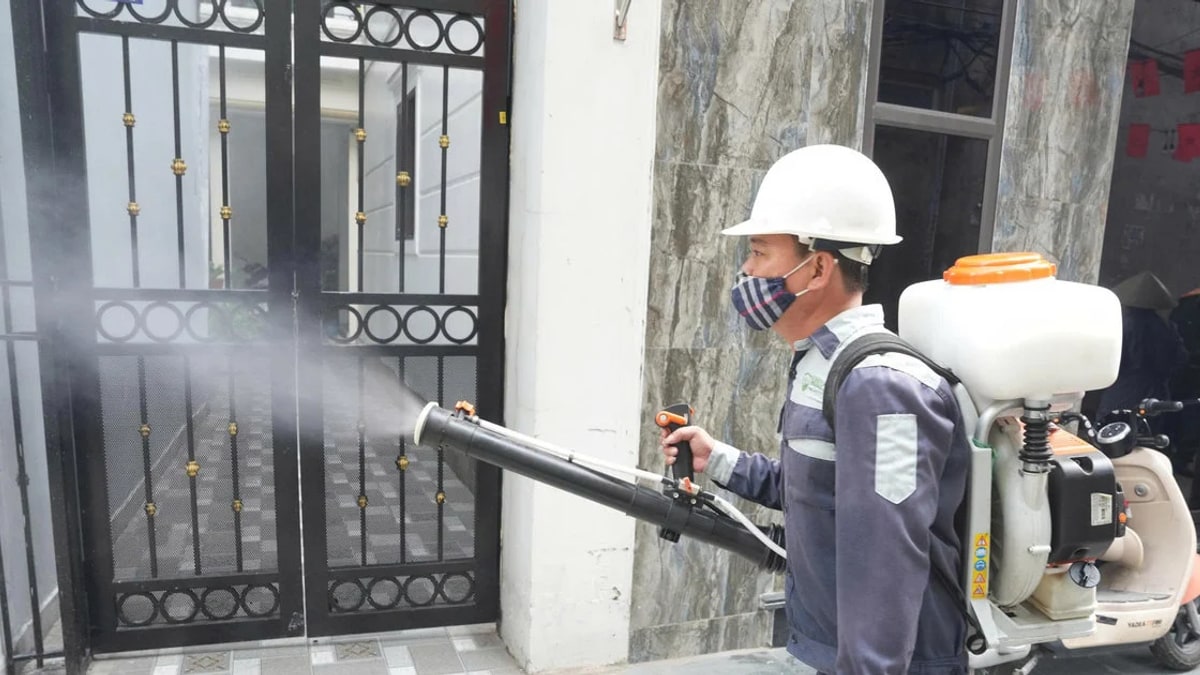
Following heavy monsoon rains across various regions, healthcare facilities are witnessing a sharp spike in dengue, malaria, and viral fever cases. Official health statistics indicate that tens of thousands of dengue cases have been recorded nationwide this season, resulting in several fatalities. Experts explain that stagnant water left behind by rains creates ideal breeding grounds for Aedes mosquitoes, which can thrive even in small amounts of clean water found inside cooler trays, flower pots, and discarded containers.
Hospitals are reporting overcrowded outpatient departments (OPDs) daily, with patients presenting high fever, severe body aches, and fatigue. While municipal authorities have stepped up fogging and anti-larval operations, individual vigilance remains the most effective defense. Citizens must inspect their surroundings regularly to eliminate potential mosquito breeding sites and protect themselves from daytime mosquito bites.
Unlike other mosquitoes, Aedes mosquitoes are diurnal, meaning they remain active and bite during daylight hours. Therefore, wearing full-sleeve clothing, utilizing mosquito repellents during the day, and installing window screens are crucial steps in preventing infection. Ignoring these basic precautions can quickly put entire households at risk during peak transmission seasons.
Medical Warning: Why You Must Avoid Self-Medication with Painkillers
Taking over-the-counter painkillers for sudden fever and body ache is a common habit, but during a dengue outbreak, it can prove fatal. Medical professionals and virology experts have issued strict warnings against consuming non-steroidal anti-inflammatory drugs (NSAIDs) such as aspirin, ibuprofen, or diclofenac without a confirmed diagnosis and doctor's prescription.
Healthcare providers emphasize that using such medications when infected with dengue can cause a steep drop in platelet counts and trigger severe internal bleeding or hemorrhage. If fever or pain persists, patients must consult a qualified physician immediately rather than relying on self-medication. Paracetamol, administered under strict dosage guidelines, remains the only safe alternative for managing fever.
"If you experience persistent high fever, severe headache, retro-orbital pain, and vomiting, get a blood test immediately. Avoid taking any painkillers or NSAIDs without a doctor's consultation, as they significantly increase the risk of hemorrhage." — Dr. Nguyen Thanh Binh, Virology and Parasitology Department
Recognizing Early Symptoms and Seeking Timely Intervention
Early identification of dengue and viral fever symptoms is vital for saving lives. Initial signs typically include sudden high fever, intense frontal headache, deep muscle and joint pain, and skin rashes. Many individuals mistake these symptoms for a routine flu, allowing the disease to progress into more severe stages.
As the infection advances, warning signs such as severe abdominal pain, persistent vomiting, bleeding gums, nosebleeds, or extreme lethargy indicate a critical condition requiring immediate hospitalization. Children, pregnant women, and the elderly require close monitoring due to their lower immunity levels.
Effective Preventive Steps to Keep Mosquitoes at Bay
Eradicating mosquito breeding sites is the ultimate strategy to combat dengue. Health authorities recommend weekly checks of homes and workplaces to empty water coolers, scrub flower pot trays, cover water storage containers tightly, and clear out old tires or discarded objects where rainwater accumulates.
Community participation combined with administrative measures is essential to break the transmission cycle. By maintaining proper environmental sanitation and adopting personal protective measures, citizens can safeguard themselves and their families from vector-borne diseases.





![[Video] Top Stories of the Day: A comprehensive thread on key national events of October 2026](/_next/image?url=%2Fuploads%2Ftfl-img-1791211826142-a79d35ef42e8.jpg&w=3840&q=75)