
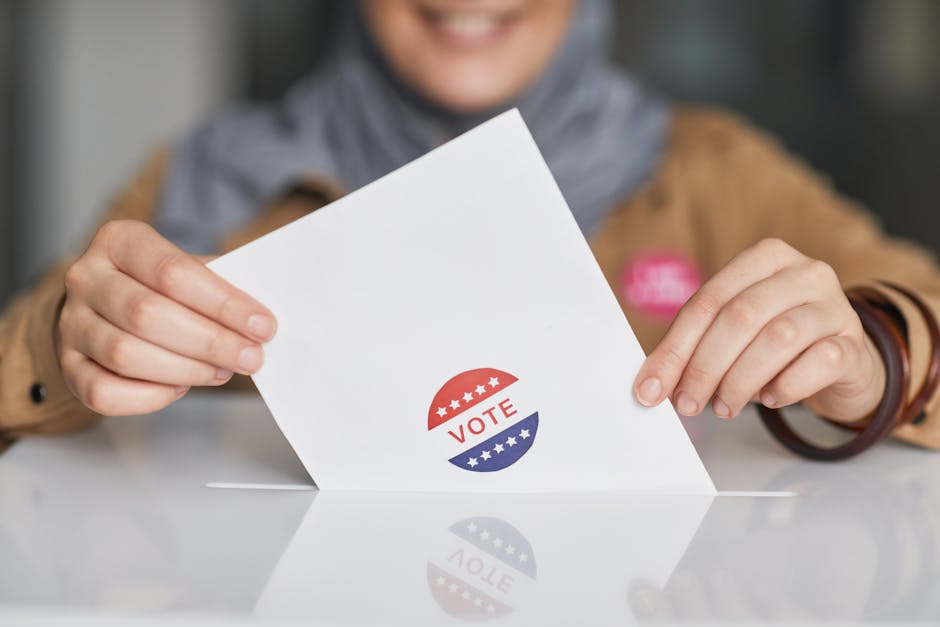
Political Tensions Rise Over Voter List Revision
The Special Intensive Revision (SIR) of electoral rolls has sparked intense political friction across the nation, placing the ruling coalition and opposition parties at loggerheads. While opposition figures continue to question the transparency and timing of the entire process, key constituents of the National Democratic Alliance (NDA) have rallied strongly to defend the poll panel, dismissing all allegations as politically motivated and baseless.
Senior leaders representing major regional and national allies, including Janata Dal United (JDU), Lok Janshakti Party Ramavilas, Telugu Desam Party (TDP), and Shiv Sena, came forward to assert that the Election Commission operates with utmost autonomy and integrity. They argued that attempts to cast doubts on constitutional bodies undermine the foundations of Indian democracy for petty electoral gains.
NDA Allies Defend Poll Panel Against Opposition Attacks
JDU National Executive President Sanjay Kumar Jha addressed the media to categorically refute claims that a lack of internal consensus existed within the commission regarding the SIR exercise. He termed such assertions as deliberate misinformation designed to confuse ordinary voters. Similarly, Union Minister and LJP Ramavilas chief Chirag Paswan emphasized that the poll authority has thoroughly clarified its stance on every critical matter, leaving no room for legitimate confusion.
Andhra Pradesh Chief Minister and TDP supremo N. Chandrababu Naidu also weighed in, stating that the commission has successfully put all speculative doubts to rest. Maharashtra political circles witnessed strong remarks from Shiv Sena leader Eknath Shinde, who asserted that whenever democratic outcomes favor the NDA, opposition factions immediately resort to blaming independent constitutional institutions.
Four Major Decisions By Election Commission Bring Massive Relief
Amidst ongoing political debates, the Election Commission of India has instituted four significant procedural reforms aimed at streamlining the electoral process and easing burdens on ordinary citizens. These measures are designed to enhance transparency, improve digital accessibility, and ensure that no eligible voter faces undue bureaucratic hurdles.
Under the revised guidelines, citizens who receive official notices regarding their voter registration status are no longer required to visit Electoral Registration Officer (ERO) or Assistant Electoral Registration Officer (AERO) offices physically. Instead, Booth Level Officers (BLO) will visit households directly to collect necessary documentation, which will then be verified and uploaded onto the official ECI Net application. In-person hearings will remain strictly limited to extraordinary cases, with online systems being considerably strengthened.
"The steps taken by the Election Commission reinforce democratic inclusion and safeguard every citizen's right to vote. The opposition must refrain from baseless attacks on autonomous institutions." — Sanjay Kumar Jha, National Executive President, JDU
Special Helplines And Camps For Marginalized Communities
The newly introduced administrative measures place a special emphasis on vulnerable populations, including homeless individuals residing in shelter homes, daily wage laborers, urban poor, and marginalized communities. Dedicated help desks and special verification camps will be established to assist these groups, ensuring their inclusion in the electoral database without administrative complications.
Additionally, the commission has ordered a comprehensive technical review of its digital platform, the ECI Net app. A committee headed by a Senior Deputy Election Commissioner will evaluate its performance and submit recommendations. Furthermore, to uphold complete transparency, agendas for all commission meetings will be publicized in advance, followed by detailed meeting minutes.
Timelines And Future Electoral Preparations
The nationwide voter list revision is progressing rapidly towards completion. Official data confirms that the SIR process has already concluded successfully in approximately twenty states and union territories, including Bihar and West Bengal. Specific deadlines have been established for ongoing regions, allowing citizens to file claims and objections transparently.
Authorities confirmed that the deadline for filing claims and objections in New Delhi is set for October 30, while Maharashtra citizens have until November 10 to complete their submissions. Young citizens and first-time voters whose names are yet to be incorporated can submit applications directly to designated local authorities. These forward-looking measures underline the commission's commitment to building a more inclusive and digitally empowered electoral framework.


