
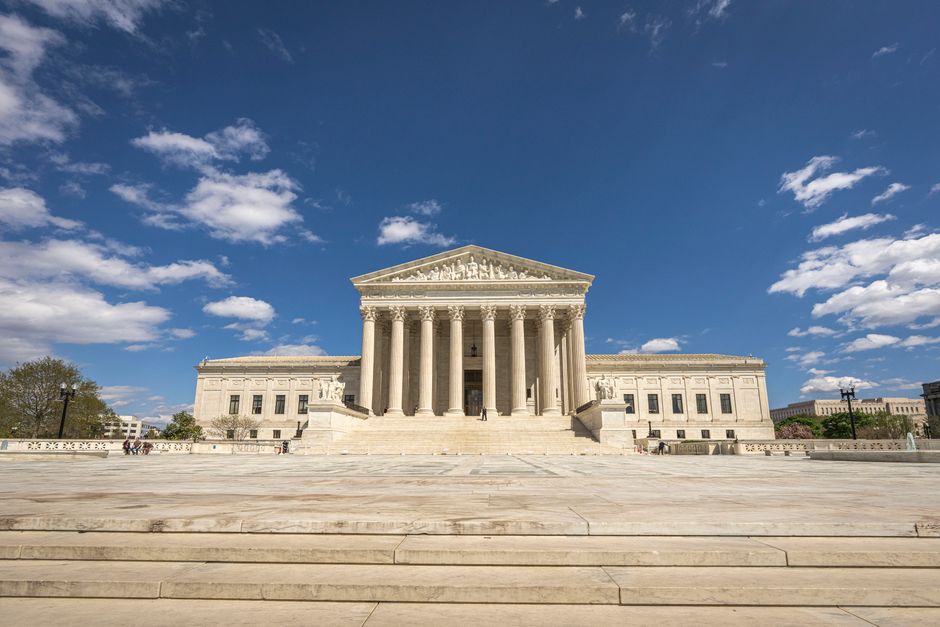
Countdown Begins for Supreme Court Hearing on GBU Student's Petition
The legal circles are abuzz with discussions as the Supreme Court prepares to hear a significant petition filed by Akshat, a law student of Gautam Buddh University (GBU). The apex court has scheduled the hearing for September 28. This legal battle has not only questioned the administrative functioning of premier educational institutions but has also brought the state governance apparatus under strict judicial scrutiny. Initiated by a law student, this move is considered vital for the rights of students and administrative transparency within higher education campuses.
Given the sensitivity of the matter, legal experts are closely watching how the arguments unfold when both parties present their cases before the bench. Lawyers representing the petitioner claim they possess concrete evidence and documents that challenge the assertions made by university administrators and state officials. The student's relentless struggle symbolizes how the younger generation is choosing democratic and legal avenues to fight for their academic rights and transparent governance.
Serious Allegations of Misleading Documents Against the Uttar Pradesh Government
The most crucial and sensitive aspect of this entire controversy involves the information submitted by the Uttar Pradesh government and the concerned administrative machinery in court. The petitioner's side alleges that the affidavits and documents filed by the state government in the Supreme Court are factually inaccurate and intentionally designed to mislead the judiciary. In matters involving the state's highest machinery, such serious allegations raise vital questions regarding the balance between the executive and the judiciary.
Legal analysts suggest that if it is proven in court that misleading facts were presented by the administration, it could spell serious trouble for the officials involved. The Supreme Court has consistently taken a firm stance against attempts to influence judicial proceedings through deceptive statements or flawed documentation. All eyes are now set on the upcoming hearing on September 28 to see how the state government defends itself and what response its legal team provides against these heavy charges.
The Struggle of Law Student Akshat and University Administration
This high-profile legal battle initiated by GBU law student Akshat goes far beyond a personal dispute; it is becoming a benchmark for student rights across universities nationwide. Being a law student, Akshat's decision to utilize legal frameworks to take his fight all the way to the country's highest court sets an inspiring precedent. University campuses often witness situations where students feel isolated against administrative high-handedness, but this case has paved a new path for accountability.
Observers note that whenever ideological freedom and administrative transparency are compromised in higher educational institutions, proactive youths emerge to mirror the system. Student grievances, academic freedom, and administrative attitudes have always been subjects of debate. This case has reignited conversations about whether university administrators need to overhaul their functioning to prevent students from being forced to knock on judicial doors against their own institutions.
Legal Experts Await the Upcoming Supreme Court Proceedings
The upcoming hearing on September 28 is not merely a routine date; it will test how strictly the judiciary views matters concerning educational institutions. Legal teams on both sides are busy finalizing their preparations. While the student's counsel prepares to present undeniable proof of the alleged misleading documents submitted by the UP government, state lawyers are equally geared up to formulate robust counter-arguments.
Amid the complexities of judicial procedures, this case reaffirms the unwavering faith of ordinary citizens and students in the rule of law. Despite administrative pressures and prolonged legal battles, a student's persistence in seeking justice highlights the resilience of democracy. In the coming days, it will be fascinating to witness what historical directives the Supreme Court issues in this closely watched case and whether the state administration is held accountable.
"Transparency and integrity are paramount in the judicial system. If any attempt has been made to mislead the court at any level, the law will take its strict course to ensure justice is served to the aggrieved student." — Senior Legal AnalystIn short, this issue is no longer confined to a simple dispute between a student and a university; it has transformed into a critical milestone concerning justice delivery, administrative accountability, and student empowerment. Whatever verdict the Supreme Court delivers on September 28 could serve as a major legal precedent for academic institutions and administrative bodies alike. The academic and legal fraternities across the nation eagerly await the unfolding developments.


