A Growing Threat to Children's Health: Hand, Foot and Mouth Disease
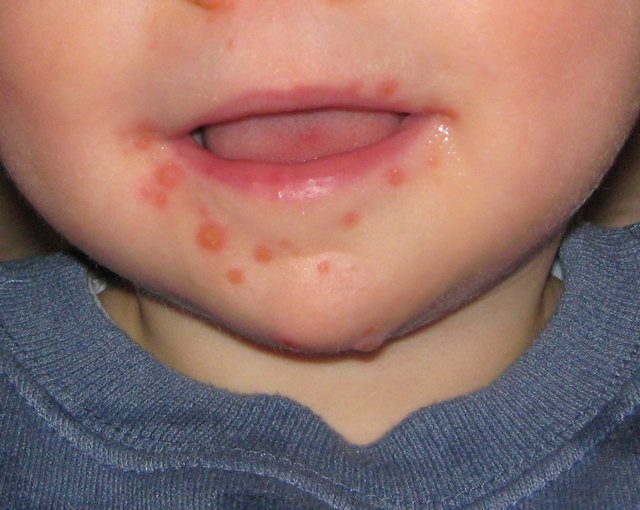
A new health concern is emerging regarding children's well-being as cases of Hand, Foot and Mouth Disease (HFMD) continue to rise. According to health department data, more than 2,000 cases of this infection have been recorded since the beginning of the year. This situation has raised serious concerns among parents and medical professionals alike.
The infection is spreading rapidly among young children in both urban and rural areas. In severe cases, children required intensive care and mechanical ventilation. Experts emphasize that ignoring early symptoms can lead to dangerous health complications.
Understanding the Spread and Hospitalizations
Reports from various regions indicate widespread transmission of the virus. Provincial disease control centers report hundreds of cases concentrated in specific localities. Pediatric wards in regional hospitals have admitted numerous children requiring close medical observation.
Doctors note that the viral infection easily spreads in environments where children gather, such as schools and day-care centers, making containment a challenging task for health authorities.
Causes and Risks Associated with the Virus
The disease is primarily caused by enteroviruses and spreads through the digestive tract and direct contact with an infected person's secretions. Certain viral strains, such as EV71, can cause neurological complications, myocarditis, and acute pulmonary edema.
"Children diagnosed with hand, foot, and mouth disease require close monitoring. Persistent high fever above 38.5 degrees Celsius lasting more than 48 hours, sudden startling, excessive crying, or sleep disturbances are warning signs of worsening conditions." — Dr. Dang Viet Nam, Deputy Head of Pediatrics Department
Parents must immediately seek medical consultation if they observe unusual symptoms in their children.
Preventive Measures and Hygiene Guidelines
To prevent the spread of the disease, health authorities recommend frequent handwashing with soap, consuming well-cooked food, and drinking boiled water. Toys, school supplies, and commonly touched surfaces should be sanitized regularly, and sick children should be kept isolated from others.