The Looming Threat to Global Energy Security
In today's interconnected global economy, energy security is the backbone of any nation's growth and stability. Recent geopolitical developments in the Middle East have once again raised alarm bells among policymakers worldwide. Following ongoing concerns surrounding the strategic Strait of Hormuz, experts are warning of a severe secondary crisis that could heavily disrupt international trade and impact emerging economies.
For a fast-growing economy like India, which heavily relies on imported energy to fuel its domestic demands, these developments are critical. Understanding the complexities of the global supply chain is essential to grasp how maritime disruptions translate into domestic inflation and financial pressure for ordinary citizens.
The Strategic Importance of the Strait of Hormuz
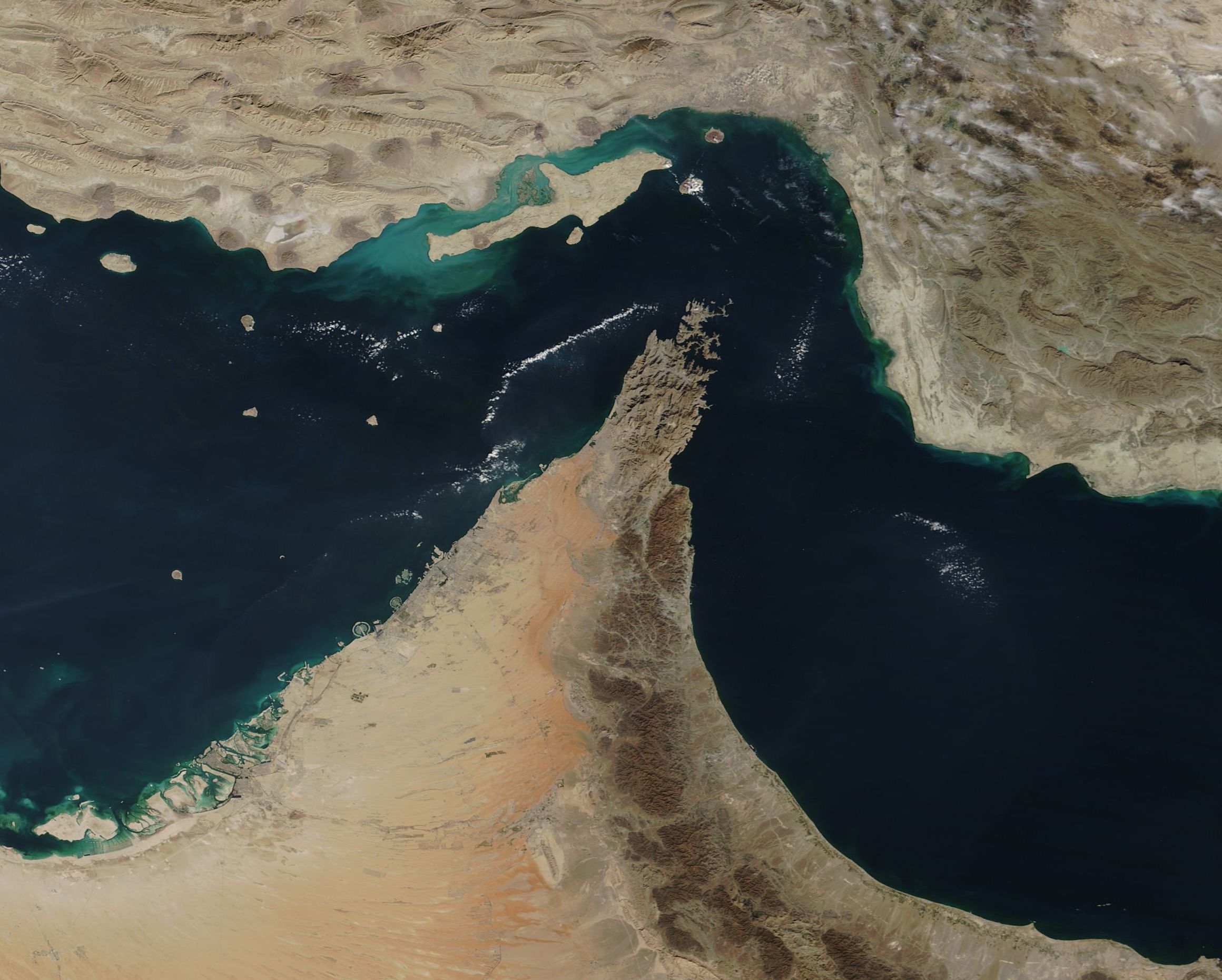
The Strait of Hormuz remains the world's most critical petroleum transit chokepoint. Connecting the Persian Gulf with the Gulf of Oman, this narrow waterway handles a massive portion of global petroleum exports. Any disruption to this vital maritime corridor can immediately paralyze global markets and trigger severe shortages.
India imports over 80 percent of its crude oil requirements, with a significant portion traversing through this very region. Historically, whenever tensions escalate in this corridor, global crude prices spike instantly. This directly impacts India's import bill, foreign exchange reserves, and domestic retail fuel prices.
Low Stock, High Prices: The Direct Impact on Consumers
During times of crisis, shrinking inventories and surging prices become the biggest concern for households. If supply chains are constricted, strategic petroleum reserves face immense pressure. Consequently, the cost of transportation rises, which in turn inflates the prices of essential commodities, food items, and daily goods.
This creates a compounding effect on the common man, whose purchasing power is squeezed between rising living costs and stagnant income levels. Experts emphasize that robust strategic planning and diversification of energy portfolios are paramount to mitigating these persistent risks.
Conclusion: Preparedness and Strategic Foresight
The evolving situation in the Middle East underscores the interconnected nature of modern global economics. India continues to diversify its energy basket by forging trade ties with alternative suppliers while heavily investing in renewable energy infrastructure. Navigating these turbulent waters requires a delicate balance of robust diplomacy, strategic reserves, and long-term economic foresight.