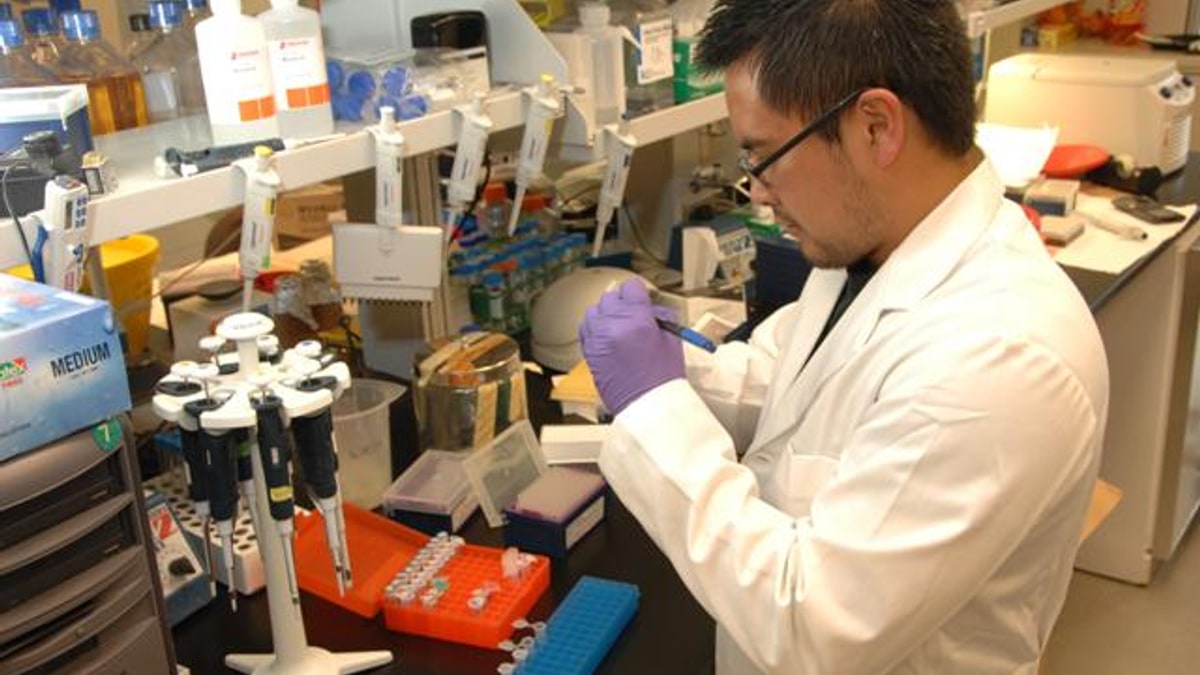
Hidden Infections Drive a Significant Share of Cancer Cases
When considering the root causes of cancer, people typically think of lifestyle choices, tobacco consumption, alcohol, or genetic factors. However, a landmark study published in the prestigious medical journal 'The Lancet Oncology' has shed light on an overlooked trigger: chronic infections. According to the research, roughly 12 percent of all cancer cases worldwide—amounting to 2.3 million new cases—are directly linked to preventable infectious pathogens.
In India, this translates to nearly 1.9 lakh cancer patients every year whose illness stems from long-standing viral or bacterial infections. These pathogens silently damage human tissues and cells over many years, eventually mutating them into malignant tumors if left unchecked.
Human Papillomavirus (HPV) Remains a Major Threat to Women
Among infection-driven cancers in India, Human Papillomavirus (HPV) holds the highest share, responsible for over 1 lakh cases annually. Primarily linked to cervical cancer in women, this virus poses a severe public health challenge despite the availability of highly effective vaccines. Lack of awareness and social hesitation are major barriers preventing widespread vaccination.
Public health experts emphasize that administering the HPV vaccine to young girls early in life can drastically reduce cervical cancer risks. Coupled with routine screenings like Pap smears, early detection can save countless lives.
The Role of Helicobacter pylori and Hepatitis Viruses
Following HPV, the bacterium Helicobacter pylori accounts for approximately 47,000 gastric cancer cases in India. Living in the stomach lining for decades, it causes chronic inflammation that can transform into stomach cancer. Additionally, Hepatitis B and C viruses are responsible for thousands of new liver cancer cases annually, underlining the critical need for universal vaccination and timely medical interventions.