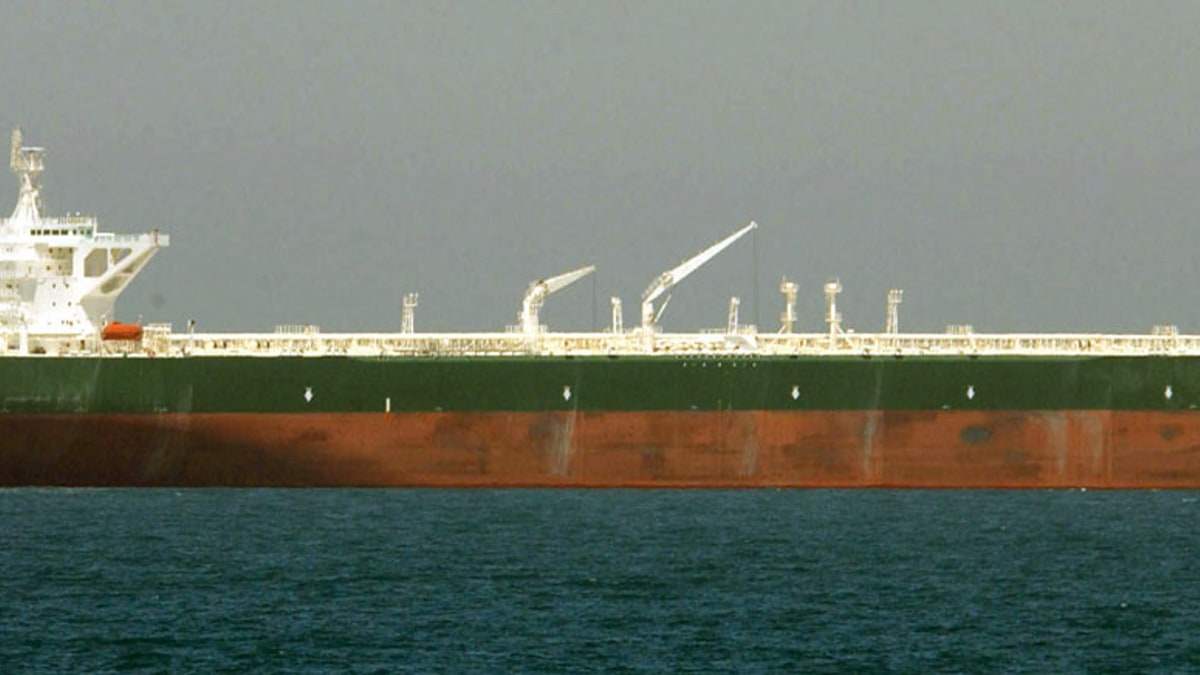
In response to mounting geopolitical tensions and security concerns in West Asia, Indian energy companies and government authorities have rolled out a robust strategy to safeguard the nation's fuel supply chain. With maritime routes through the vital Strait of Hormuz facing potential disruptions, domestic refiners are actively bypassing intermediaries to procure crude oil more efficiently and economically.
India currently imports roughly 88 percent of its total crude oil requirements. To insulate the domestic economy from international supply shocks and spiraling shipping costs, leading players such as Reliance Industries, Bharat Petroleum, Indian Oil Corporation, and HPCL-Mittal Energy have embraced Free on Board (FOB) trade agreements. Under these pacts, refiners take direct charge of chartering vessels and managing maritime logistics, eliminating the heavy extra surcharges previously paid to third-party traders.
Concurrently, the government is exploring long-term infrastructure solutions, including the ambitious Middle East to India Deep-Water Pipeline (MEIDP) project. This proposed underwater pipeline across the Arabian Sea aims to directly link Gulf energy producers to India's western coastline, significantly minimizing dependency on surface tankers and volatile shipping lanes in the future.