Indian Railways Implements Strict Protocols to Prevent Train Smoke and Fire Incidents
In a major move to enhance passenger safety across the country, Indian Railways has introduced rigorous new operational guidelines. The initiative is aimed at completely eradicating dangerous incidents involving sudden wheel jamming, known as brake binding, which frequently leads to sparks, heavy smoke, and subsequent panic among passengers aboard running trains.
Based on comprehensive technical reports from the Research Designs and Standards Organisation (RDSO), the Railway Board has mandated nationwide special drives for loco pilots and maintenance staff. These directives have been swiftly enforced across all regional railway zones, including the North Central Railway (NCR), to safeguard daily commuters.
Understanding the Core Causes of Brake Binding and Smoke
According to technical experts, brake binding primarily occurs due to hurried train operations and excessive pressure on the braking mechanism. Previously, whenever an alarm chain was pulled by a passenger or a train stopped at a station, locomotive drivers would resume motion almost immediately after receiving a green signal. Often, pneumatic pressure failed to normalize completely, and trains were driven forward before the brakes were fully released.
Furthermore, if minor signs of wheel jamming appeared mid-journey, drivers frequently attempted to push the train to the next station rather than halting immediately. This generated intense friction between the wheels and brake blocks, creating extreme heat that ultimately triggered smoke and fire hazards. The newly established protocol completely revokes this rushed practice.
Mandatory Guidelines and Waiting Periods for Loco Pilots
Under the revised rules, the responsibilities of loco pilots and maintenance personnel have been significantly heightened. Following a chain-pulling incident or a regular station halt, drivers are no longer permitted to rush the departure. They must wait for an adequate duration to ensure that the brake system across every single coach has completely released and air pressure levels have stabilized.
If drivers notice fluctuations in engine load meters, abnormal strain on the locomotive, or a sudden drop in speed, they are mandated to halt the train immediately and conduct a thorough inspection. This proactive approach aims to nip potential fire and smoke hazards in the bud, ensuring seamless and accident-free journeys.
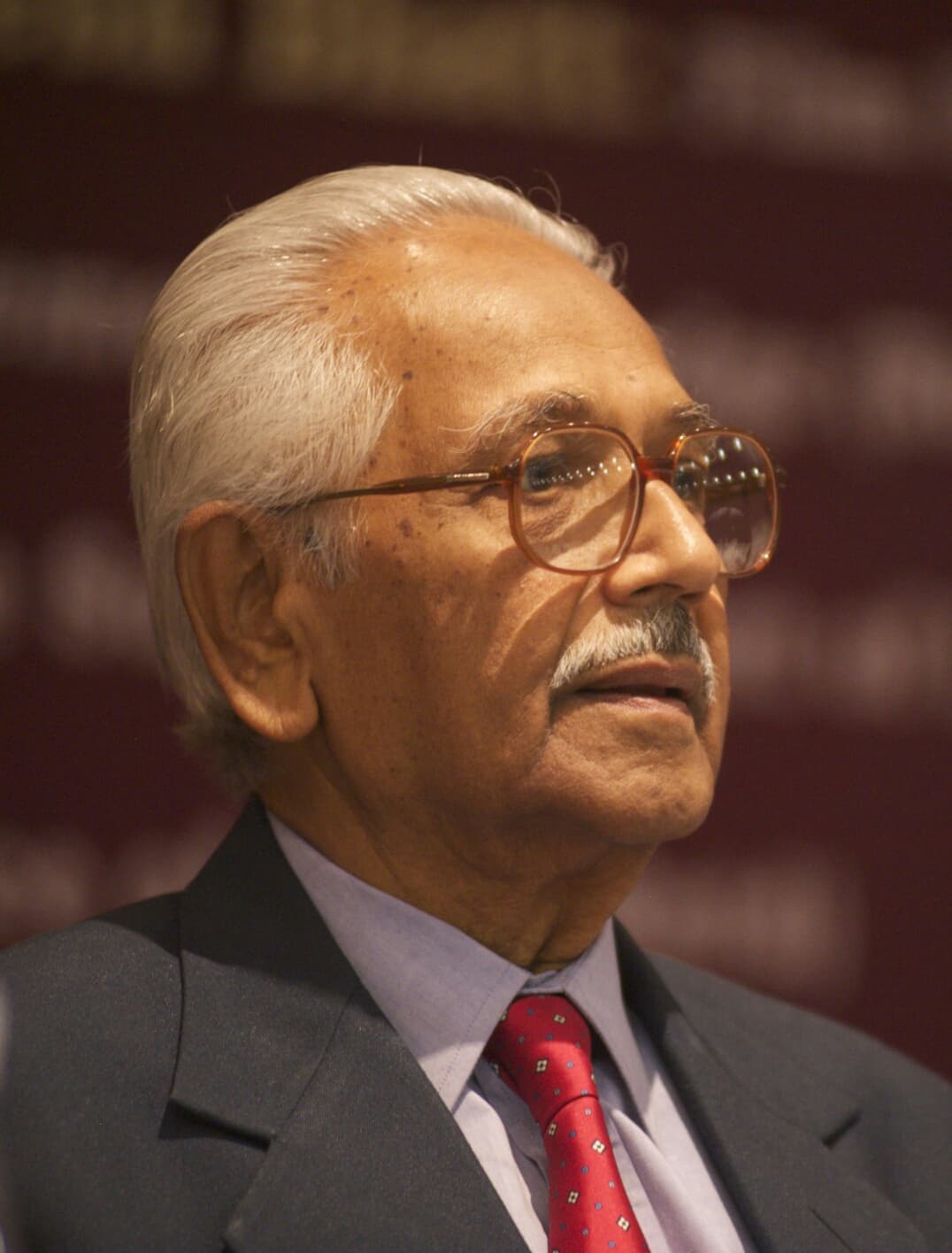
"To permanently eliminate technical glitches like brake binding and smoke incidents, the Railway Board has issued stringent directives. Air dryers in locomotives must remain operational to prevent moisture in pipelines, and releasing full pressure during engine changes is now mandatory. Rigorous standard checks for LHB coach brake pressure are being enforced across all depots to guarantee absolute travel safety." — V. Venkatasubramanian, Executive Director (Electrical Engineering), Railway Board
Strict Action by RPF Against Unauthorized Chain Pulling
While technical upgrades are being implemented to secure train systems, railway authorities are simultaneously cracking down on anti-social elements indulging in unwarranted alarm chain pulling. In a recent enforcement action, the Railway Protection Force (RPF) registered formal First Information Reports (FIRs) against individuals caught pulling chains without valid emergencies near the Mansi railway station in Bihar.
According to RPF officials, legal proceedings have been initiated against the identified culprits under standard railway acts. Authorities emphasized that arbitrary chain pulling not only disrupts railway schedules but also poses severe safety risks to subsequent trains on the same route. The administration has warned that such disruptions will face zero tolerance.
Public Utility and Enhanced Passenger Confidence
This comprehensive safety overhaul directly impacts the daily lives and security of millions of train passengers. By eliminating avoidable mechanical hazards and enforcing strict operational protocols, Indian Railways is reinforcing its commitment to commuter welfare. Passengers are continuously urged to use alarm chains solely during genuine emergencies, ensuring that technological safety measures and public cooperation work hand in hand to make rail travel safer than ever before.